

Under the Open Sky: The Cultural Significance of Australia's Outdoor Gatherings
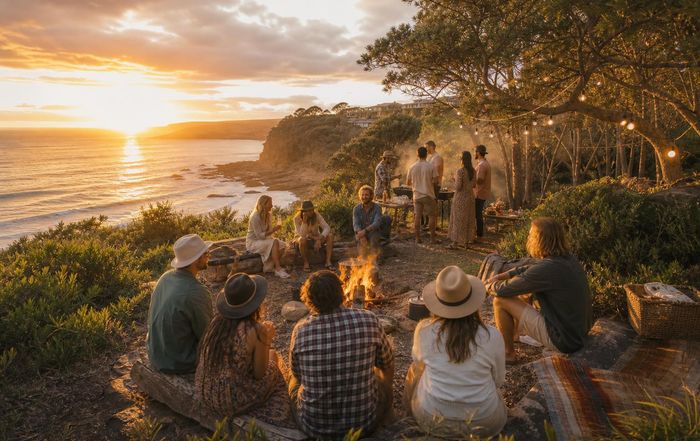
From a backyard barbecue in suburban Sydney to a dawn smoking ceremony on Country, outdoor gatherings sit at the heart of social life in Australia. The country's climate, landscapes and long histories of connection to land have shaped a culture in which meeting outside is more than a lifestyle preference; it is a way of building identity, belonging and shared memory. For travellers and observers, understanding these rituals-formal and informal-offers a window into how Australians relate to place, to each other and to the wider world.
Country, climate and the pull of open space
Long before European colonisation, hundreds of Aboriginal and Torres Strait Islander nations maintained intricate systems of outdoor ceremony, trade and everyday life, grounded in what many communities describe as an unbroken connection to Country. Storytelling, songlines, initiation ceremonies and seasonal gatherings took place in specific outdoor locations whose significance was spiritual, social and ecological at once. Contemporary Indigenous organisations such as the National Aboriginal Community Controlled Health Organisation and cultural bodies linked to the Australian Institute of Aboriginal and Torres Strait Islander Studies emphasise that health, culture and land remain inseparable, and that being outdoors on Country is central to wellbeing and identity.
When British colonisation began in 1788, settlers encountered a continent where life was already oriented to the outdoors, though in ways they often failed to recognise. Over time, the combination of temperate climates in many coastal regions, long daylight hours in summer and access to beaches and bushland encouraged a distinct settler practice of outdoor socialising. By the late nineteenth and early twentieth centuries, picnics, race meetings, agricultural shows and open-air religious gatherings were embedded in civic life, while surf bathing and life-saving clubs helped shape a national image of the beach as a democratic, shared space.
Modern Australian cities have continued this trend, investing heavily in public parks, foreshore walks and outdoor sports facilities. Planning frameworks from bodies such as Infrastructure Australia and state governments repeatedly highlight open space as a quality-of-life essential rather than a luxury. For visitors exploring the country through a travel lens, this emphasis on outdoor public life is as important to understand as iconic built landmarks or museum collections, and it intersects naturally with interests in travel, culture and environment.
Indigenous ceremonies and the politics of gathering on Country
Indigenous outdoor gatherings today span traditional ceremonies, political rallies and community events that assert continuing sovereignty and cultural survival. Smoking ceremonies, for example, are public rituals in which native plants are burned to cleanse a space and welcome participants. Increasingly, universities, councils and major festivals invite local Traditional Owners to conduct these ceremonies at openings, alongside spoken Welcome to Country or Acknowledgement of Country protocols. Guidance from organisations such as Reconciliation Australia and state-based Aboriginal cultural councils stresses that these rituals are not mere formalities but expressions of ongoing custodianship and law.
In many regions, annual outdoor events such as NAIDOC Week community days, island festivals in the Torres Strait, and regional cultural gatherings bring together families who may be dispersed by work, schooling and historical displacement. These gatherings often feature dance, song, art markets and shared meals, and they operate as living archives of language and story. For non-Indigenous participants, being invited into such spaces carries responsibilities: to listen, to follow local protocols and to recognise that these are not simply entertainment but continuations of ancient practices that pre-date the Australian state.
Outdoor protest gatherings have also been central to Indigenous political movements. The 1965 Freedom Ride, the 1972 Aboriginal Tent Embassy on the lawns of Parliament House in Canberra, and large Invasion Day and Black Lives Matter marches in cities have all used open public space as a platform to challenge dominant narratives. Scholars at institutions such as the Australian National University and University of Sydney have documented how such gatherings reclaim visibility and assert rights to land and self-determination. For observers trying to understand contemporary Australian society, these events complicate any simple image of relaxed outdoor leisure by foregrounding histories of dispossession and ongoing struggle.
Barbecues, backyards and the myth of the "easy-going Aussie"
If there is a single image most associated internationally with Australian outdoor life, it is the barbecue. From the mid-twentieth century, as suburban home ownership expanded and car-based lifestyles grew, the backyard barbecue emerged as a symbol of family, prosperity and informality. Government tourism campaigns and advertising by companies such as Qantas and major food brands have repeatedly drawn on this imagery, promoting the idea of an egalitarian, sun-drenched culture where everyone is welcome around the grill.
Sociologists and cultural historians, including researchers at Griffith University and Monash University, have pointed out that this myth of easy-going equality can obscure real divides of class, race and gender. The "Aussie barbecue" traditionally centres on meat-heavy menus and has often been imagined as a white, male-dominated space, with men at the grill and women preparing salads and cleaning up. Yet the reality on the ground is more complex. In many suburbs, barbecues now reflect the country's multicultural demographics: skewers of satay and souvlaki sit alongside sausages; halal and vegetarian options are increasingly common; and guests bring dishes from Chinese, Lebanese, Indian or Sudanese culinary traditions.
Public barbecues in parks and on beaches, many of them free to use and maintained by local councils, extend this culture beyond private property. These facilities, now powered increasingly by electricity rather than gas or charcoal, are used by youth groups, large extended families, community organisations and visitors who may not have access to a backyard. For newcomers to the country, accepting an invitation to a barbecue or organising one of their own can be a practical way of entering local social networks. For readers interested in food culture, these outdoor meals intersect with broader questions of migration, identity and changing diets, themes explored across food and society coverage.
Beaches, surf culture and the idea of the public shoreline
Australia's beaches are not simply scenic backdrops; they are active stages for everyday life, national rituals and debates about who belongs. The development of surf lifesaving in the early twentieth century turned beaches into organised public spaces, with volunteer patrols and clubhouses that remain fixtures in many coastal towns. Organisations such as Surf Life Saving Australia present their mission in terms of community service and safety, and patrol flags and rescue boards are visual markers of a shared civic responsibility to protect beachgoers.
Culturally, the beach has long been associated with youth, freedom and a certain casual style of dress and behaviour. Films, music and literature from the 1960s onwards helped cement the "surfie" as a recognisable figure, and global surf brands headquartered in Australia, such as Rip Curl and Billabong, have exported this imagery worldwide. Yet scholars working with bodies like the Australian Human Rights Commission and independent media outlets such as The Guardian have highlighted how beaches can also be sites of exclusion, whether through racial profiling, gendered harassment or the high cost of living in coastal suburbs.
Public events such as New Year's Eve celebrations, charity swims and surf carnivals bring large crowds to the shoreline, reinforcing the idea that the beach is a collective asset. At the same time, rising sea levels and coastal erosion, documented by agencies such as the Commonwealth Scientific and Industrial Research Organisation (CSIRO), are forcing planners and communities to reconsider how these spaces will be used and protected in coming decades. The cultural significance of beach gatherings is thus entwined with environmental policy and climate adaptation, a theme that also resonates with readers following sustainable and environment issues.
Festivals, open-air arts and the city as a stage
Australian cities have embraced outdoor festivals as a way to animate public space, support creative industries and showcase diversity. Major arts events such as the Sydney Festival, Adelaide Fringe, Dark Mofo in Hobart and Melbourne International Arts Festival routinely include open-air performances, light installations, street parades and riverfront gatherings. City governments and tourism agencies, including Tourism Australia, promote these festivals as key attractions for domestic and international visitors, emphasising their role in transforming urban streetscapes into temporary cultural playgrounds.
Multicultural and community festivals-ranging from Lunar New Year celebrations and Diwali events to Greek, Italian, Pacific Islander and African cultural days-often centre on outdoor stages and food markets. These gatherings allow diasporic communities to maintain ties to heritage while inviting the wider public to participate. Researchers at universities such as RMIT University and University of Melbourne have observed that such events can foster intercultural understanding but may also risk commodifying culture if not led by communities themselves.
Outdoor cinema, night markets and open-air theatre have grown in popularity, particularly in warmer months. These activities blur the line between leisure and cultural participation, making it easier for people who might not attend formal galleries or concert halls to engage with the arts. For travellers planning itineraries, monitoring city events calendars can turn a simple visit to a park or riverbank into a chance to experience local creativity and social life in real time, complementing more traditional sightseeing highlighted in travel and lifestyle guides.
Sport, community identity and the weekend ritual
Sport is one of the most visible forms of outdoor gathering in Australia, from professional stadiums to suburban ovals and netball courts. Codes such as Australian rules football, rugby league, rugby union and cricket draw large crowds, and major events like the AFL Grand Final, Boxing Day Test and State of Origin series are treated almost as secular holidays. National bodies including the Australian Sports Commission and Cricket Australia present participation in sport as a tool for health, social inclusion and national pride.
At the community level, weekend competitions create recurring rituals: families gather on sidelines with folding chairs and thermos flasks; local businesses sponsor jerseys; volunteers run barbecues to raise funds for club facilities. These gatherings offer a sense of belonging, particularly in regional towns where the local club may be a key social hub. Sociological research from institutions such as La Trobe University has shown how these spaces can both challenge and reinforce norms around masculinity, race and class, depending on how clubs manage inclusion and behaviour.
Outdoor sport also intersects with tourism and environment. Trail running events, mountain bike races and ocean swims draw participants to national parks and coastal regions, raising questions about sustainable use of natural areas. Agencies like Parks Australia and state park services increasingly balance event permits with conservation goals, illustrating how leisure and environmental stewardship are negotiated in real time. For readers following health and world trends, the Australian example highlights both the benefits and pressures of a sport-centric outdoor culture.
Bush, campfires and the romance-and risk-of the outback
Beyond cities and coastal strips, the Australian bush and outback occupy a powerful place in the national imagination. Camping trips, four-wheel-drive expeditions and multi-day hikes are popular ways for families and friends to "get away from it all," often framed as chances to reconnect with nature and one another around a campfire. Literature from classic bush ballads to contemporary travel writing has romanticised these experiences, presenting the outdoors as a testing ground for resilience and mateship.
However, the reality of outdoor gatherings in these environments is shaped by risk as much as by freedom. Agencies such as the Bureau of Meteorology and state fire services regularly warn of bushfire danger, heatwaves and flooding, and travellers are advised to monitor conditions closely. The catastrophic bushfires of 2019-20, documented by organisations like the World Wildlife Fund and CSIRO, forced the cancellation of many summer camping trips and outdoor festivals, highlighting how climate change is reshaping patterns of leisure. For First Nations communities, these disasters also revived public discussion about traditional cultural burning practices and Indigenous land management, which involve highly skilled, seasonally timed outdoor work and community coordination.
Camping on or near Indigenous lands additionally raises questions of consent, respect and benefit-sharing. Guidelines from bodies such as Parks Australia and regional Aboriginal land councils emphasise the importance of permits, staying within designated areas and understanding that some sites are sacred or restricted. For visitors, this means that the "empty" landscape evoked in some travel marketing is, in reality, a network of places with deep cultural meaning, where gathering requires attentiveness to local authority and protocol as much as to weather forecasts and equipment lists.
Outdoor life, migration and the making of a shared culture
Australia's post-war immigration programs and more recent humanitarian and skilled migration have brought people from Europe, Asia, the Middle East, Africa and the Americas, each with their own traditions of outdoor social life. In many suburbs, weekend scenes in parks include South Asian cricket matches, East African coffee ceremonies, Middle Eastern picnics with charcoal grills, and Latin American music and dance. Public spaces thus become informal laboratories where different practices coexist, blend or occasionally clash.
Local councils and multicultural agencies, informed by research from institutions such as Swinburne University of Technology and policy work by the Australian Human Rights Commission, often see outdoor events as tools for social cohesion. Citizenship ceremonies are frequently held in parks or on foreshores, symbolically linking new Australians to the land as well as to the polity. Community gardens, open-air language classes and cultural exchange picnics provide low-cost, low-barrier ways for newcomers to meet neighbours and practice English.
At the same time, conflicts over noise, smoke from charcoal cooking, alcohol consumption and the use of limited green space can expose fault lines. Media outlets including the Australian Broadcasting Corporation (ABC) and SBS have reported disputes about park bookings, perceptions of large family groups, and competing expectations of "appropriate" public behaviour. How these tensions are negotiated-through regulation, dialogue or redesign of public space-shapes whether outdoor gatherings become bridges or barriers in an increasingly diverse society, a question that intersects with broader discussions of society, ethics and education.
Climate change, public health and the future of gathering outdoors
Recent years have underscored that outdoor culture is not static. The COVID-19 pandemic, for instance, temporarily transformed parks and beaches into contested spaces, as governments imposed distancing rules and crowd limits. Public health agencies such as the World Health Organization and Australian Department of Health highlighted that outdoor settings were generally safer than indoor ones for reducing viral transmission, leading to a surge in interest in open-air dining, exercise and events. Cities experimented with closing streets to cars, expanding footpaths and allowing more alfresco seating, many of which changes have persisted.
Climate change presents a more enduring challenge. Rising temperatures, increased frequency of extreme heat days and more intense bushfire seasons, documented by CSIRO and the Intergovernmental Panel on Climate Change (IPCC), threaten the viability of some traditional summer activities, from Christmas beach gatherings to New Year's Eve fireworks. Urban planners and landscape architects are responding with designs that prioritise shade, water features and heat-resilient vegetation, while event organisers adjust schedules to cooler times of day or seasons.
Environmental ethics are also reshaping expectations around outdoor events. There is growing scrutiny of single-use plastics at festivals, the carbon footprint of large-scale gatherings and the impact of tourism on fragile ecosystems such as the Great Barrier Reef and alpine regions. NGOs like the Australian Conservation Foundation and international bodies such as UN Environment Programme advocate for more sustainable models of leisure and tourism, encouraging low-waste festivals, active transport to events and respect for wildlife. For friendly readers tracking innovation and sustainable living, Australia's evolving outdoor culture offers case studies in how societies adapt cherished rituals to new environmental realities.
Reading Australia through its outdoor rituals
To understand Australia through its outdoor gatherings is to see a country negotiating past and present in public view. Indigenous ceremonies on Country assert ancient sovereignty within a modern nation-state. Backyard barbecues and park picnics reveal both hospitality and the legacies of class and gender norms. Beaches and bush campsites embody ideals of freedom while exposing vulnerabilities to climate and questions of who controls access to land. Sporting fixtures, arts festivals and multicultural celebrations turn streets and ovals into stages where identities are performed, contested and occasionally transformed.
For travellers, paying attention to how people use parks, beaches, streets and town squares can be as revealing as visiting major attractions. Joining a community barbecue, attending a local festival or simply watching a weekend game from the sidelines offers insight into everyday values of camaraderie, informality and, increasingly, diversity and environmental awareness. For residents, reflecting on these rituals can prompt questions about inclusion, sustainability and historical responsibility: who is invited, who is missing, and how might gatherings change to honour both Country and community more fully.
In a land where the sky often feels close and the horizon wide, it is fitting that so much of social life happens outdoors. The cultural significance of these gatherings lies not only in their scale or spectacle, but in the quiet, repeated acts of meeting, sharing and remembering that, over time, make a society feel at home in its own landscapes.