

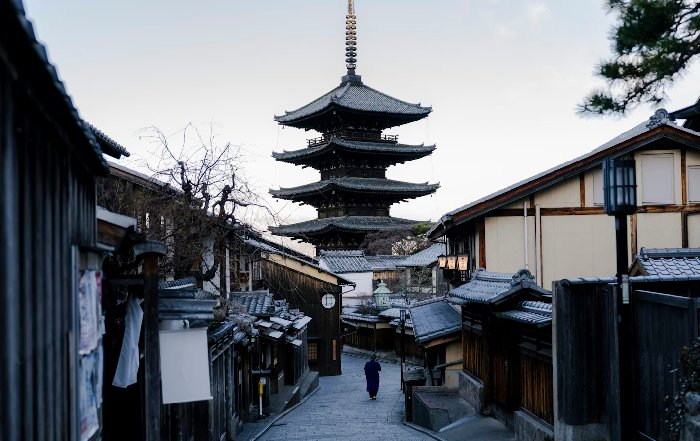
Let's Take a Look at Some Cultural Traditions Shaping Modern Japan
Modern Japan presents one of the world's most compelling examples of how deep-rooted cultural traditions can coexist with, and even accelerate, advanced technological and economic development. For often travelling folks visiting WorldsDoor-who explore global shifts in culture, business, technology, and society-Japan offers a living laboratory where ancient values and contemporary innovation are not opposing forces but mutually reinforcing pillars. From the quiet rituals of the tea room to the hyper-connected streets of Tokyo, cultural continuity and change are constantly negotiated, shaping how Japanese people work, learn, travel, eat, and imagine their collective future.
Historical Foundations: Continuity Beneath Constant Change
To understand how cultural traditions shape modern Japan, it is essential to recognize how the country's identity has been forged through cycles of isolation, rapid modernization, and postwar reconstruction. The legacy of the Tokugawa shogunate, with its emphasis on social order, Confucian ethics, and codified hierarchies, still subtly informs the way organizations, families, and communities relate to authority and responsibility. The Meiji Restoration of the late nineteenth century, when Japan opened to the world and embarked on an accelerated program of state-led modernization, established a pattern that persists in 2026: the selective adaptation of foreign ideas filtered through resilient local norms. Observers examining Japan's historical trajectory through resources such as the National Diet Library's overview of Japanese history can trace how this adaptive capacity has allowed the country to absorb influences from China, Europe, and North America while maintaining a distinctive cultural core.
Post-1945 reconstruction further deepened this duality. Under the guidance of institutions such as MITI (the former Ministry of International Trade and Industry) and later the Ministry of Economy, Trade and Industry, Japan rebuilt its industrial base while nurturing a shared social commitment to stability, education, and incremental improvement. Contemporary analyses from organizations like the Japan Center for Economic Research show that these historical choices continue to influence corporate governance, labor relations, and social policy. For readers of WorldsDoor, this long view provides a critical context: Japan's present-day balance of tradition and innovation is not accidental but the product of sustained, deliberate negotiation between continuity and change.
The Enduring Power of Social Values: Wa, Giri, and Omotenashi
At the heart of Japanese society lie enduring values that continue to shape behavior in offices, schools, homes, and public spaces. The concept of wa, often translated as harmony, remains central to group dynamics, decision-making, and conflict resolution. Rather than privileging individual expression in the manner common in the United States or parts of Europe, Japanese organizations often prioritize consensus, even when this requires extended deliberation and indirect communication. Studies summarized by the OECD on Japanese work and social cohesion highlight how this collective orientation supports trust and coordination but can also slow reform in areas such as labor mobility and corporate restructuring.
Closely related is the notion of giri, a sense of obligation and duty that underpins professional relationships, gift-giving customs, and long-term commitments between firms and employees. In 2026, while lifetime employment has weakened, echoes of giri remain visible in the loyalty many workers feel toward their companies and in the careful etiquette surrounding business introductions, seasonal gifts, and client relationships. The tradition of omotenashi, or wholehearted hospitality, extends these values into the service economy, influencing everything from customer interactions in convenience stores to the meticulous care offered in high-end ryokan inns. Readers interested in how this cultural mindset translates into service excellence can explore analyses by the World Economic Forum on tourism and hospitality competitiveness.
For a global audience seeking to understand cultural nuance, these values explain why Japanese society often appears remarkably orderly, clean, and polite, even in densely populated urban centers. They also reveal why social change in Japan tends to be evolutionary rather than revolutionary. On WorldsDoor, where themes of ethics and society intersect, Japan's approach offers an instructive case study in how shared norms can both enable cooperation and constrain rapid transformation.
Work Culture and Corporate Japan: Tradition Under Pressure
Japan's corporate culture has long been emblematic of its broader social values, and in 2026 it remains a powerful arena where tradition and modernization collide. The postwar model of stable employment, seniority-based promotion, and intense company loyalty has been challenged by demographic pressures, global competition, and the rise of digital industries. Yet, many practices rooted in traditional values persist. Rituals such as the morning assembly, the collective bow, and the exchange of meishi (business cards) still frame daily interactions in organizations ranging from manufacturing giants like Toyota to technology leaders like Sony and SoftBank.
At the same time, government initiatives promoted by the Cabinet Office of Japan and documented by bodies such as the Ministry of Health, Labour and Welfare have targeted excessive working hours and karoshi, or death from overwork, pushing firms to reconsider expectations around presenteeism and long hours. Remote work adoption, accelerated during the pandemic years, has persisted in sectors such as IT, finance, and professional services, prompting a gradual rethinking of how wa and giri operate in more flexible, hybrid environments. Analysts at institutions like the International Labour Organization note that Japan's labor reforms are reshaping gender roles, career paths, and regional employment patterns.
For international investors and partners, these shifts are not merely social phenomena but business-critical dynamics. The challenge for Japanese corporations in 2026 is to retain the strengths of their traditional culture-long-term orientation, meticulous quality, deep client trust-while embracing more diverse leadership, agile decision-making, and global talent flows. Readers of WorldsDoor interested in business strategy can see in Japan a nuanced picture of how inherited norms can either slow or enable transformation depending on how consciously they are managed.
Education, Discipline, and Lifelong Learning
Education has always been a central channel through which Japanese traditions are transmitted, adapted, and sometimes contested. From primary school through university, students are immersed not only in academic content but also in rituals and routines designed to cultivate discipline, respect, and group responsibility. Practices such as students cleaning their own classrooms, observed by visitors and documented by global outlets like UNESCO, reflect a belief that education encompasses character formation and civic habits, not merely cognitive skills.
In 2026, Japan's education system faces the dual imperatives of preserving these strengths while fostering the creativity, digital literacy, and cross-cultural competence demanded by an interconnected world. The Ministry of Education, Culture, Sports, Science and Technology (MEXT) has promoted curriculum reforms that emphasize active learning, English proficiency, and STEM fields, while universities expand international partnerships with institutions in the United States, Europe, and Asia. Comparative data from the OECD's PISA assessments continue to show Japanese students performing strongly in mathematics and science, yet debates persist about exam pressure, mental health, and the need for more flexible, student-centered approaches.
For global readers concerned with education and workforce readiness, Japan offers a model of how traditional notions of diligence and respect for teachers can coexist with new pedagogical methods and digital platforms. The growth of lifelong learning programs, corporate training academies, and online courses reflects a broader cultural adaptation: the idea that disciplined study is no longer confined to youth but extends across the entire life course, supporting career transitions in an aging society.
Everyday Rituals: From Tea Ceremony to Convenience Stores
Beyond institutions, it is in the texture of everyday life that cultural traditions most visibly shape modern Japan. The tea ceremony, or chanoyu, exemplifies how a centuries-old art form continues to influence contemporary aesthetics, mindfulness practices, and hospitality. While few Japanese perform the full ceremony regularly, its principles-attention to detail, appreciation of impermanence, and an emphasis on shared presence-inform design sensibilities in architecture, product packaging, and even digital interfaces. Museums and cultural centers such as the Urasenke Foundation and information provided by the Japan National Tourism Organization demonstrate how traditional arts are being introduced to younger generations and international visitors.
At the other end of the spectrum, the ubiquitous konbini, or convenience store, showcases how traditional expectations of reliability, cleanliness, and service excellence have been translated into ultra-modern retail formats. Chains like 7-Eleven Japan, Lawson, and FamilyMart offer an astonishing range of services-bill payment, ticketing, parcel collection, fresh food-while maintaining a level of order and efficiency that reflects the underlying culture of wa and omotenashi. Analysts exploring consumer behavior through platforms like McKinsey & Company's retail insights note that this fusion of tradition and innovation has made Japanese convenience stores a benchmark for service design worldwide.
For readers of WorldsDoor interested in lifestyle and food, these everyday practices illustrate how cultural continuity manifests not only in formal ceremonies but also in the mundane routines of buying lunch, commuting, and socializing. They show that in Japan, the line between tradition and modernity is often less a divide than a continuum.
Food Culture: Washoku, Health, and Global Influence
Japanese food culture, recognized by UNESCO as an Intangible Cultural Heritage under the term washoku, plays a significant role in shaping both domestic lifestyles and Japan's global image. The traditional emphasis on seasonal ingredients, balance, and presentation has influenced global culinary trends, from sushi bars in New York and London to kaiseki-inspired tasting menus in Copenhagen and Melbourne. International readers can explore this recognition and its implications through the UNESCO Intangible Cultural Heritage portal.
Within Japan, washoku continues to shape daily eating habits, even as Western and fusion cuisines gain popularity. The typical ichiju-sansai structure-a meal with rice, soup, and several side dishes-reflects a longstanding concern with nutritional balance and variety, contributing to Japan's high life expectancy and relatively low obesity rates. Public health agencies such as the World Health Organization have noted these outcomes in comparative studies, while Japanese policymakers seek to preserve healthy dietary patterns amid rising consumption of processed foods. Convenience store bentos, school lunches, and family meals increasingly blend traditional and modern elements, demonstrating how food practices adapt while retaining core principles of moderation and appreciation of nature's cycles.
For WorldsDoor readers focused on health and environment, Japanese food culture also intersects with sustainability concerns. Initiatives to reduce food waste, promote local sourcing, and protect marine resources reflect a growing awareness that the future of washoku depends on responsible stewardship of land and sea. Organizations like the Food and Agriculture Organization of the United Nations provide broader context on how Japan's fishing policies and agricultural reforms fit into global efforts to secure sustainable food systems.
Urban Life, Travel, and the Preservation of Place
Japan's cities, from Tokyo and Osaka to Kyoto and Fukuoka, embody the complex interplay between hyper-modern infrastructure and deeply rooted traditions of place-making. Skyscrapers, high-speed rail, and digital signage coexist with shrines, temples, and narrow alleyways where time appears to slow. The preservation of historic districts in Kyoto, Kanazawa, and Kurashiki, supported by municipal governments and organizations such as the Agency for Cultural Affairs, demonstrates a commitment to safeguarding tangible heritage even as urban redevelopment accelerates. International travelers planning visits can gain insight into these efforts through resources like Japan Guide.
The rise of inbound tourism, particularly from the United States, Europe, China, and Southeast Asia, has intensified this dynamic. Before the pandemic, Japan experienced record visitor numbers, and by 2026, tourism has largely recovered, with new emphasis on sustainability, cultural sensitivity, and regional revitalization. Rural areas in Hokkaido, Shikoku, and Kyushu are leveraging traditional festivals, craft villages, and nature-based experiences to attract visitors and counter depopulation. The concept of satoyama, describing the harmonious coexistence of human communities and surrounding ecosystems, has gained renewed attention, aligning with global conversations on sustainable travel and environmental stewardship.
For WorldsDoor readers exploring travel and world trends, Japan illustrates how cultural traditions can be both a magnet for tourism and a fragile resource requiring careful management. The challenge in 2026 is to welcome global visitors while protecting local identities, landscapes, and ways of life from over-commercialization and environmental stress.
Technology, Innovation, and the Aesthetic of the Future
Japan's reputation as a technological powerhouse is inseparable from its cultural traditions. The country's approach to robotics, artificial intelligence, and digital design is filtered through long-standing aesthetic and philosophical concepts. The idea of monozukuri, or the art of making things with craftsmanship and pride, continues to inform manufacturing excellence in sectors ranging from automotive to precision electronics. Reports from organizations such as the World Intellectual Property Organization highlight Japan's ongoing strength in patents and industrial innovation.
In 2026, Japanese companies and research institutions are pushing the boundaries of humanoid robotics, smart cities, and mobility solutions, often with a distinctly human-centered orientation. The popularity of social robots like SoftBank's Pepper and the integration of service robots in elder care facilities reflect not only technological capability but also cultural comfort with anthropomorphized machines, rooted in Shinto beliefs that spirits can inhabit objects. Academic work accessible through platforms like ScienceDirect explores how these cultural frameworks influence user acceptance and ethical debates.
Digital aesthetics in Japan, visible in anime, gaming, interface design, and virtual influencers, also draw from traditional visual principles such as ma (the use of negative space) and wabi-sabi (the beauty of imperfection and impermanence). For readers of WorldsDoor interested in innovation and technology, Japan's digital culture demonstrates how heritage can inspire cutting-edge creativity rather than constrain it, offering lessons for designers and technologists worldwide.
Environment, Sustainability, and Traditional Ecologies
Environmental consciousness in Japan has been shaped by both painful experiences and enduring cultural attitudes toward nature. The industrial pollution crises of the 1960s and 1970s, along with the 2011 Fukushima disaster, catalyzed environmental regulation and public awareness. At the same time, traditional practices such as forest management, rice cultivation, and coastal fishing embed a sense of interdependence between human communities and their ecosystems. Concepts like mottainai, expressing regret over waste, have gained global recognition as symbols of sustainable thinking, championed by figures such as Wangari Maathai and amplified by organizations like the United Nations Environment Programme.
In 2026, Japan is pursuing ambitious climate and energy goals, including commitments to carbon neutrality and expanded renewable energy deployment. Government strategies outlined by the Ministry of the Environment and monitored by international bodies like the International Energy Agency illustrate the country's efforts to balance energy security, economic competitiveness, and environmental responsibility. Traditional building techniques, such as the use of wood in earthquake-resistant architecture, are being reinterpreted in contemporary sustainable design, while urban greening projects draw on historical garden aesthetics to enhance livability and resilience.
For WorldsDoor readers focused on sustainable development and environment, Japan's experience underscores how cultural memory and ethical values can shape policy choices, consumer behavior, and corporate strategy in addressing global ecological challenges.
Demographics, Society, and the Reinvention of Community
Japan's demographic profile-characterized by low birth rates, rapid aging, and shrinking rural populations-poses profound questions about the future of its traditions. Yet these challenges have also spurred innovation in social organization, care systems, and intergenerational relationships. Initiatives documented by the World Bank and other international organizations show how Japan is experimenting with community-based elder care, age-friendly urban design, and flexible work arrangements to support older workers.
Traditional family structures, once centered on the multi-generational ie household, have evolved under the pressures of urbanization, female workforce participation, and changing expectations around marriage and childrearing. At the same time, neighborhood associations, local festivals, and volunteer groups continue to play important roles in social cohesion, particularly in smaller cities and towns. The persistence of matsuri festivals, with their floats, dances, and communal rituals, offers continuity and belonging even as communities adapt to new social realities.
For global observers and WorldsDoor readers interested in society and ethics, Japan's demographic transition provides a preview of issues many other countries will face in coming decades. It demonstrates how cultural traditions can either help societies navigate aging and depopulation or require rethinking to align with emerging needs and values.
Global Influence and Soft Power: Japan Beyond Its Borders
Japanese cultural traditions now circulate globally through media, design, cuisine, and consumer products, shaping perceptions far beyond the country's borders. Anime, manga, J-pop, and fashion subcultures have become influential in cities from Los Angeles and London to São Paulo and Singapore, creating transnational communities of fans who often develop deeper interest in Japanese language, history, and social norms. Organizations such as the Japan Foundation and cultural events supported by the British Museum and other major institutions have amplified this soft power by curating exhibitions, performances, and educational programs.
In the business realm, Japanese management practices, quality methodologies such as kaizen and lean production, and design philosophies have been widely adopted and adapted across industries worldwide. Thought leaders and consultancies, including Toyota's production system evangelists and global firms cited by sources like the Harvard Business Review, continue to analyze how these approaches can be applied in diverse cultural contexts. For readers of WorldsDoor, this diffusion underscores the reciprocal nature of cultural influence: while Japan absorbs global trends, it also shapes how people in North America, Europe, Asia, Africa, and South America think about efficiency, aesthetics, and the relationship between tradition and change.
Opening the Door: What Modern Japan Offers a Global Audience
For a positive minded, worldly perspective readership engaging with WorldsDoor, modern Japan offers more than a fascinating case study; it provides practical insights into how societies can honor their heritage while embracing global integration and technological disruption. Whether examining work culture reforms, sustainable food systems, educational innovation, or digital creativity, one repeatedly encounters the same underlying dynamic: traditions are not static relics but living frameworks that can be reinterpreted to meet new challenges.
Japan's experience suggests organised, humble, civilised society are not abstract qualities but the cumulative outcome of generations of practice, reflection, and adaptation. The country's artisans, engineers, teachers, entrepreneurs, and civil servants draw on inherited knowledge while experimenting at the frontiers of technology, business, and culture. For newsletter subscribers and website visiting readers exploring the broader themes of health, travel, culture, lifestyle, business, technology, and environment on WorldsDoor, Japan stands as a compelling reminder that the most resilient and innovative futures are often built not by abandoning tradition but by opening new doors through it.