

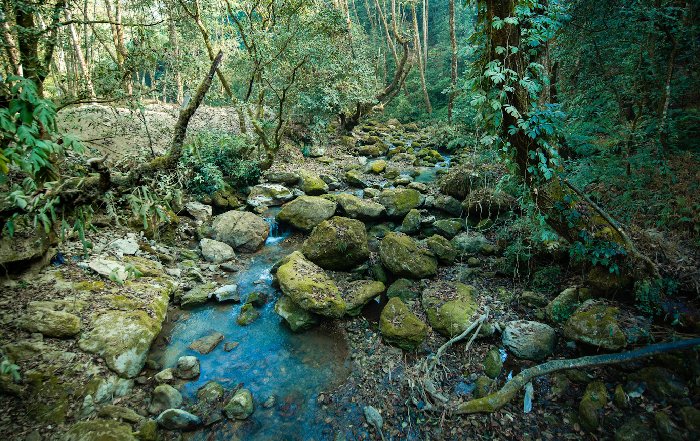
Forest Bathing and Its Global Appeal: How a Quiet Practice Became a Worldwide Movement
Forest Bathing Enters the Global Mainstream
Forest bathing has moved from niche wellness trend to a globally recognized practice that sits at the intersection of health, culture, environment, and business strategy. Originating as shinrin-yoku in Japan in the 1980s, forest bathing describes the intentional, unhurried immersion of the senses in a natural forest environment, not as a sport or a hike, but as a contemplative experience designed to restore mental, emotional, and physical balance. As stress-related illness, digital overload, and climate anxiety have intensified across regions from the United States and the United Kingdom to Germany, Canada, Australia, and throughout Asia, the allure of a scientifically grounded, culturally rich, and easily accessible practice has grown dramatically.
For WorldsDoor, which explores the connections between health and well-being, travel and culture, lifestyle, business and innovation, and the evolving world environment, forest bathing represents a compelling lens through which to understand how individuals, communities, and organizations are rethinking their relationship with nature. It is not simply a wellness activity; it is a global phenomenon that reflects shifting values in society, the rise of experience-driven economies, and a renewed emphasis on sustainable development.
The Origins of Shinrin-Yoku and Its Scientific Foundations
Forest bathing's roots are deeply embedded in Japanese culture and public health policy. In the early 1980s, Japan's Forestry Agency coined the term shinrin-yoku, literally "forest bathing," as part of a national initiative to encourage citizens to spend more time in forests for stress reduction and preventive healthcare. This was not a romantic gesture but a strategic response to rising work-related stress and lifestyle diseases in one of the world's most industrialized nations. Over the following decades, Japanese researchers, including figures such as Dr. Qing Li of Nippon Medical School, began to systematically study the physiological and psychological effects of time spent in forests, helping to establish a robust evidence base that continues to shape the practice today.
Research published through institutions highlighted by organizations like the National Institutes of Health and the U.S. Forest Service has demonstrated that slow, mindful walks in forest environments can lower cortisol levels, reduce blood pressure, improve heart rate variability, and enhance immune function, particularly through increased activity of natural killer cells. These findings have been echoed in Europe and North America, where universities and health organizations have investigated how forest exposure can mitigate anxiety, depression, and cognitive fatigue. The emerging consensus is that forest bathing is more than a pleasant pastime; it is a measurable intervention that supports public health.
The science points to several mechanisms: the presence of phytoncides, the aromatic compounds released by trees, which appear to influence immune and nervous system responses; the visual complexity and fractal patterns of natural landscapes, which the human brain processes more easily than artificial environments; and the restorative effects of soft fascination, a concept developed within environmental psychology and further explored by centers such as the American Psychological Association and the Greater Good Science Center at UC Berkeley, where attention is gently engaged by natural stimuli without becoming overloaded.
A Practice of Presence, Not Performance
Unlike hiking, trail running, or adventure tourism, forest bathing is defined less by distance or difficulty and more by the quality of awareness. Participants move slowly, often over short distances, guided by their senses rather than by a destination. They are encouraged to notice the texture of bark, the sound of wind in leaves, the scent of damp earth, and the play of light and shadow, while leaving digital devices silent and out of sight. The practice often includes intentional pauses, seated reflection, and occasionally simple breathing or grounding exercises, but it does not require specialized equipment or athletic ability.
This emphasis on presence aligns closely with broader trends in contemplative practices. Organizations such as Mindful.org and research at institutions like Harvard Medical School's Division of Sleep Medicine have highlighted the growing demand for accessible, secular methods of stress reduction that can be integrated into daily life. Forest bathing offers a bridge between mindfulness and movement, allowing people who may be resistant to seated meditation to experience similar benefits through embodied engagement with nature.
For the global audience of WorldsDoor, which spans regions from Europe and North America to Asia, Africa, and South America, this accessibility is crucial. Whether in the forests of Germany's Black Forest, the woodlands of Canada and the United States, the national parks of Australia and New Zealand, the traditional landscapes of Japan and South Korea, or the biodiverse reserves of Brazil, South Africa, and Thailand, forest bathing can be adapted to local ecosystems and cultural contexts without losing its core principles.
Health and Well-Being: From Personal Resilience to Public Policy
The health implications of forest bathing are increasingly recognized not only by individuals but also by health systems and policymakers. In countries such as Japan and South Korea, forest therapy programs are integrated into national health strategies, with designated "therapy roads" and certified guides. In Europe, initiatives in countries like Germany, Norway, and Finland have explored the role of nature-based interventions in preventive medicine and rehabilitation, particularly for stress-related disorders and burnout.
In North America, collaborations between healthcare providers and park services have given rise to "nature prescriptions," where doctors recommend time in green spaces as part of treatment plans for conditions ranging from hypertension to mild depression. Organizations like ParkRx America and resources available through the Centers for Disease Control and Prevention have helped to formalize these approaches, reinforcing the view that access to nature is a determinant of health rather than a luxury.
Forest bathing fits naturally into this evolving landscape. It offers a structured yet flexible modality that can be delivered in urban parks, peri-urban woodlands, or remote forests, and it can be tailored to different age groups and health conditions. For readers interested in how this intersects with broader wellness trends, WorldsDoor's coverage of health and lifestyle explores how individuals are integrating nature-based practices into daily routines, from micro-breaks in city green spaces to immersive retreats in national parks.
The mental health dimension is particularly relevant in 2026, as societies continue to grapple with the long-term psychological effects of the COVID-19 pandemic, geopolitical instability, and economic uncertainty. Studies compiled by organizations like the World Health Organization and mental health advocacy groups in the United Kingdom, Canada, and Australia have underscored rising rates of anxiety and depression, especially among younger populations. Forest bathing, with its low cost and minimal barriers to entry, is emerging as a complementary tool in the broader toolkit of mental health support.
Forest Bathing as a Global Travel and Cultural Experience
As wellness tourism has expanded, forest bathing has become a distinctive component of travel experiences across continents. In Japan, certified forest therapy bases in regions such as Nagano and Akita offer guided shinrin-yoku sessions that blend traditional Japanese aesthetics with contemporary health science. Visitors from the United States, the United Kingdom, Germany, France, Italy, Spain, and beyond are attracted not only by the practice itself but by the cultural narrative that surrounds it, which connects Shinto reverence for nature, Zen-influenced mindfulness, and modern preventive medicine.
In Europe, forest bathing has been embraced in diverse forms. In Germany and Switzerland, it often intersects with long-standing traditions of Kurorte and spa towns, where nature, fresh air, and hydrotherapy have historically been part of therapeutic regimes. In the Nordic countries, including Sweden, Norway, Denmark, and Finland, forest bathing resonates with cultural concepts such as friluftsliv, the open-air life, emphasizing simple, regular immersion in nature as a foundation for well-being. In the United Kingdom, forest therapy walks have been incorporated into programs in national parks and community woodlands, often supported by charitable organizations focused on mental health and social inclusion.
Asia has seen parallel developments. In South Korea, forest healing centers and state-supported programs have proliferated, while in Singapore, urban forest bathing experiences have been designed within city parks and green corridors, reflecting the city-state's ambition to be a "City in Nature." Thailand and Malaysia have integrated forest bathing into eco-tourism offerings, combining it with traditional healing practices and community-based conservation. In China, domestic tourism has increasingly highlighted forest parks and mountain reserves as destinations for rest and restoration.
On WorldsDoor, the travel section has chronicled how forest bathing experiences are being curated across regions, from guided walks in Canadian and American national parks to bespoke retreats in New Zealand and South Africa that combine forest immersion with local cultural storytelling and culinary traditions. These experiences appeal to travelers seeking more than sightseeing; they want transformative encounters that reconnect them with nature and themselves.
Business, Innovation, and the Experience Economy
The global appeal of forest bathing has significant implications for business, particularly in sectors such as hospitality, tourism, real estate, and corporate wellness. Hotels and resorts in countries from Italy and Spain to Australia and Brazil are developing forest-centric packages that include guided walks, outdoor spa treatments, and nature-based workshops. Wellness destinations in France, the Netherlands, and Switzerland are investing in forest infrastructure, such as quiet trails, contemplation platforms, and biophilic design features that bring elements of the forest indoors.
For corporate clients in the United States, United Kingdom, Germany, Canada, and Singapore, forest bathing has emerged as a component of executive retreats and leadership development programs. Companies are recognizing that time in natural environments can improve creativity, decision-making, and team cohesion, aligning with research from institutions such as Stanford University and the MIT Sloan Management Review on the relationship between cognitive performance and environmental conditions. Some organizations are partnering with certified forest therapy guides to design offsite experiences that balance strategic work with restorative immersion in nature.
The digital economy has also responded. Start-ups and established firms alike are experimenting with apps that help users find nearby forest bathing locations, track time spent in nature, and integrate reflective practices into daily schedules. While virtual reality cannot replicate the full sensory richness of a forest, technology companies are exploring how digital tools can complement real-world experiences, for example by preparing participants for forest sessions or supporting post-experience reflection and habit formation.
From a strategic perspective, forest bathing fits within the broader shift toward experience-driven offerings that prioritize meaning, well-being, and sustainability. For businesses seeking guidance on how to align their strategies with these trends, WorldsDoor's focus on innovation and sustainable business and ethics in corporate decision-making provides a framework for integrating nature-based experiences in ways that are both commercially viable and socially responsible.
Environmental Stewardship and Sustainable Development
Forest bathing's rise has coincided with heightened awareness of climate change, biodiversity loss, and the urgent need for sustainable land management. Organizations such as the Intergovernmental Panel on Climate Change and the United Nations Environment Programme have underscored the critical role forests play in carbon sequestration, water regulation, and habitat provision, while also acknowledging their cultural and recreational value. As more people seek forest experiences, the challenge is to ensure that increased visitation does not degrade the very ecosystems that provide these benefits.
Responsible forest bathing must therefore be grounded in principles of sustainable tourism and conservation. This includes limiting group sizes, avoiding sensitive habitats, respecting wildlife, and supporting local conservation initiatives. It also involves recognizing and honoring the rights and knowledge of Indigenous communities, whose stewardship has shaped many of the world's most intact forest landscapes, from the Amazon and Congo Basin to boreal forests in Canada and Scandinavia and traditional woodlands in Japan and New Zealand.
For policymakers and business leaders, forest bathing can serve as a powerful narrative tool, connecting abstract concepts like ecosystem services and climate resilience with tangible human experiences. When individuals feel the calming effect of a forest, they are more likely to support policies and investments that protect these environments. Initiatives such as those promoted by the World Wildlife Fund and the International Union for Conservation of Nature demonstrate how experiential engagement can foster long-term commitment to conservation.
On WorldsDoor, the sustainability and environment sections and environment coverage explore how practices like forest bathing can be integrated into broader strategies for climate adaptation, urban planning, and rural development, ensuring that the growth of nature-based tourism supports rather than undermines ecological integrity.
Ethics, Equity, and Social Impact
As forest bathing gains popularity in affluent markets such as the United States, United Kingdom, Germany, Canada, Australia, Japan, and the Nordic countries, questions of ethics and equity are becoming increasingly important. Access to safe, high-quality green spaces is uneven, both within and between countries. Urban communities in parts of North America, Europe, Asia, and South America often face "green deficits," with limited tree cover and few nearby forests, while rural communities may live near forests that are threatened by logging, mining, or land conversion.
The monetization of forest experiences through high-end retreats and exclusive memberships raises concerns about nature becoming a privilege rather than a right. Ethical practice requires that forest bathing initiatives consider local communities, ensure fair economic benefits, and avoid displacing traditional users of forest lands. It also involves transparency in marketing claims, particularly regarding health outcomes, to avoid overstating benefits or neglecting the need for professional medical and psychological care where appropriate.
Educational institutions and non-profit organizations are beginning to address these issues by developing community-based forest programs, training local guides, and integrating nature-based learning into school curricula. Resources from organizations like the UNESCO education programs and the OECD's work on well-being and education illustrate how environmental literacy and experiential learning can be combined to foster both personal resilience and ecological awareness.
WorldsDoor's focus on society and ethics and education highlights the importance of ensuring that forest bathing is not just a trend for the few but part of a broader movement to reconnect people of all backgrounds with nature, in ways that are inclusive, respectful, and grounded in social justice.
Forest Bathing in Urban and Technological Futures
By 2026, urban planners and technologists are increasingly exploring how the principles of forest bathing can be incorporated into city life. Urban forests, pocket parks, green roofs, and tree-lined corridors are being designed not only for aesthetics and climate adaptation but also for psychological restoration. Cities from Singapore and Seoul to London, New York, Berlin, Amsterdam, and Copenhagen are experimenting with biophilic planning that brings elements of the forest experience closer to where people live and work.
Research from organizations like the World Economic Forum and the C40 Cities Climate Leadership Group has emphasized the co-benefits of urban greening for heat mitigation, air quality, biodiversity, and mental health. Within this context, forest bathing provides a conceptual framework for understanding how people interact with urban nature and what design features support deeper, more restorative engagement.
Technology plays a nuanced role in this evolution. While forest bathing traditionally encourages disconnection from devices, digital platforms can support planning, education, and community building. For example, mapping tools can help residents of cities in the United States, Canada, the United Kingdom, Germany, France, Italy, Spain, and beyond discover accessible green spaces, while online courses can introduce the principles of forest bathing to people in regions where forests are scarce. The key is to ensure that technology remains a facilitator rather than a substitute for direct experience.
The technology section of WorldsDoor examines how digital innovation can be aligned with human and environmental well-being, and forest bathing offers a concrete example of how high-tech societies can intentionally design for low-tech, high-impact experiences that restore attention, creativity, and emotional balance.
Food, Culture, and the Sensory Dimension of Nature
Forest bathing is fundamentally a sensory practice, and this sensory dimension naturally extends to food and culture. In many regions, forest experiences are being paired with culinary offerings that highlight local, seasonal, and foraged ingredients, from mushroom walks in Italy and France to berry picking in Sweden and Finland, tea ceremonies in Japan, and indigenous food traditions in Canada, Brazil, South Africa, and New Zealand. These combinations deepen the connection between participants and the landscapes they are exploring, reinforcing the idea that forests are not only visual backdrops but living systems that nourish body and mind.
Cultural narratives, myths, and artistic expressions related to forests also shape how people experience forest bathing. Literature, painting, music, and film from Europe, Asia, Africa, and the Americas have long portrayed forests as spaces of mystery, refuge, transformation, and sometimes danger. Contemporary forest bathing experiences often draw on these cultural layers, incorporating storytelling, local history, and traditional ecological knowledge into guided walks and retreats.
For readers interested in how these threads come together, WorldsDoor's coverage of culture and food explores the interplay between culinary traditions, cultural identity, and the landscapes that sustain them, offering a richer context for understanding why forest bathing resonates so deeply across diverse societies.
Forest Bathing as a Doorway to a Different Kind of Future
In a world marked by rapid technological change, geopolitical tensions, and environmental uncertainty, the global appeal of forest bathing may at first seem surprising. Yet, on closer examination, its rise is a logical response to a set of converging pressures: the need for effective, low-cost health interventions; the desire for authentic, meaningful experiences; the recognition of nature's role in resilience and sustainability; and the search for ethical frameworks that reconnect human prosperity with planetary boundaries.
For WorldsDoor, forest bathing is emblematic of the questions that define this era. It is a practice that touches on health, travel, business, environment, innovation, ethics, society, education, and lifestyle, reflecting the interconnectedness of the modern world. It demonstrates how a simple act-walking slowly among trees with open senses-can catalyze deeper shifts in how individuals and organizations think about well-being, value, and responsibility.
As more people in the United States, the United Kingdom, Germany, Canada, Australia, France, Italy, Spain, the Netherlands, Switzerland, China, Sweden, Norway, Singapore, Denmark, South Korea, Japan, Thailand, Finland, South Africa, Brazil, Malaysia, New Zealand, and beyond seek out forest experiences, the challenge and opportunity lie in ensuring that this global movement remains grounded in experience, expertise, authoritativeness, and trustworthiness. That means continuing to build the scientific evidence base through institutions like the National Park Service and international research networks, nurturing professional standards for guides and practitioners, embedding ethical and sustainable practices into every forest-related initiative, and maintaining a clear-eyed understanding of both the potential and the limits of forest bathing as a tool for personal and societal transformation.
Standing at the threshold of the late 2020s, forest bathing can be seen as more than a wellness trend. It is a doorway, in the spirit of WorldsDoor, to a different relationship with the living world-one that recognizes forests not only as resources to be managed or landscapes to be visited, but as partners in the ongoing project of human flourishing on a changing planet.