

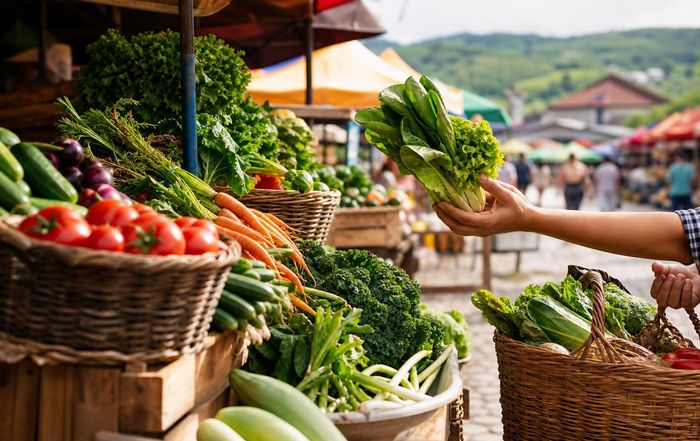
How Street Markets Support Regional Food Economies
A living backbone of local food
Across continents and cultures, street markets remain among the most visible and resilient foundations of regional food economies. From farmers' markets in small-town Canada to night markets in Thailand and historic covered halls in Spain, these bustling spaces connect producers and consumers in ways that modern retail chains and e-commerce, for all their reach, have not fully replicated. For frequent travelling readers of WorldsDoor, who often explore how travel, culture, health, lifestyle, environment and innovation intersect, street markets offer a uniquely rich lens on how food systems actually function in daily life and how communities can build more resilient, sustainable and inclusive economies in 2026 and beyond.
Street markets are not a relic of the past; they are evolving laboratories where new forms of sustainable agriculture, circular economies, culinary innovation and social entrepreneurship are tested in real time. As global institutions such as the Food and Agriculture Organization of the United Nations highlight in their work on short food supply chains, direct producer-to-consumer channels can strengthen rural livelihoods, reduce food waste and preserve agrobiodiversity, while giving urban residents fresher, more nutritious options. When travelers walk through a market in Barcelona, Bangkok, Cape Town or Brooklyn, they are not only tasting local flavors; they are witnessing an economic system in motion.
Direct connections between producers and consumers
At the heart of the regional economic impact of street markets is the direct relationship between food producers and the people who buy from them. Unlike large supermarket chains, where products often pass through multiple intermediaries, street markets typically shorten the supply chain, allowing farmers, fishers, bakers and small-scale processors to capture a larger share of the final price. Studies summarized by the Organisation for Economic Co-operation and Development in its work on local food systems indicate that short supply chains can increase farm incomes, particularly for small and medium-sized producers that struggle to negotiate with large retailers.
In North America and Europe, many farmers' markets now require vendors to sell only what they produce themselves or what is sourced from nearby regions, creating a transparent link between terroir and table. In the United States, the USDA Agricultural Marketing Service reports that farmers' markets and similar direct marketing channels have become an important outlet for small farms, especially those specializing in fruits, vegetables and niche products such as heritage grains or artisanal cheeses. While exact figures vary by region and year, multiple surveys show that vendors often receive higher margins at markets than through wholesale channels, even if sales volumes are smaller.
For visitors, this direct connection translates into a richer cultural and sensory experience. WorldsDoor readers interested in culinary travel can see how local economies operate by exploring markets highlighted in the platform's completly original travel stories, where producers often share the history of their farms, fishing grounds or family recipes. The act of purchasing becomes more than a transaction; it becomes a form of participation in the regional food narrative.
Anchors of neighborhood and rural development
Street markets also function as economic anchors for both urban neighborhoods and rural hinterlands. In many cities, weekly or daily markets draw residents and tourists into specific districts, increasing foot traffic for surrounding cafés, small shops and cultural venues. Research by organizations such as Project for Public Spaces, which has documented public market impacts, shows that vibrant markets can revitalize underused urban spaces, support micro-enterprises and foster a sense of place that chains and malls rarely match.
In rural regions, markets create predictable outlets for perishable goods and seasonal surpluses. Farmers in France, Italy, Germany and Spain, for instance, often rely on village and town markets to sell fresh produce, cured meats, cheeses and wines that reflect regional traditions. In the United Kingdom, traditional markets and newer community-supported agriculture schemes complement one another, with some farms using markets as both a sales channel and a marketing platform for subscription boxes and farm visits. This interplay between physical markets and broader rural tourism aligns with the interests of WorldsDoor daily readers who follow culture and lifestyle trends that connect countryside experiences with urban consumers.
The economic benefits of markets extend beyond direct sales. Local governments, chambers of commerce and development agencies in countries such as Canada, Australia and the Netherlands have documented how markets stimulate entrepreneurship by lowering the barriers to entry for small food businesses. Renting a stall for a few days a week requires less capital than opening a permanent storefront, allowing start-ups to test products, refine branding and build a customer base. Many successful restaurants and food brands trace their origins to humble market stalls, a pattern observed from London's Borough Market to Singapore's hawker centers.
Preserving culinary heritage and cultural identity
Street markets are also custodians of culinary heritage, serving as living archives of traditional recipes, ingredients and foodways. Anthropologists and food historians frequently note that markets are among the best places to observe how culture, migration and innovation interact. In cities like Marseille, Toronto or Johannesburg, market stalls often reflect layers of history, with North African spices, Caribbean produce, Eastern European baked goods and East Asian noodles coexisting in a single space, each representing distinct communities but also forming a shared urban identity.
International bodies such as UNESCO have recognized the cultural significance of food markets and related traditions, including the inscription of the "gastronomic meal of the French" and the "Mediterranean diet" on the Intangible Cultural Heritage list, where markets are often highlighted as vital spaces for transmission of knowledge. Travelers who explore food-focused content on WorldsDoor encounter markets as recurring settings where grandmothers teach grandchildren how to choose ripe fruit, where fishmongers explain sustainable catches and where street vendors adapt classic dishes to modern tastes.
In Asia, night markets in Taiwan, Thailand and Malaysia exemplify how informal food economies can become major cultural attractions. While regulations and health standards vary, these markets often feature long-standing family businesses that specialize in a few signature dishes passed down through generations. Similarly, in Latin America, mercados in Mexico, Brazil and Peru function as both commercial centers and cultural stages, where regional specialties such as mole, açaí or ceviche are prepared in ways that reflect local history and indigenous knowledge.
By supporting these markets, consumers contribute to the preservation of intangible cultural heritage and encourage younger generations to see value in continuing family food traditions. This cultural continuity has economic implications, as distinctive regional cuisines can attract culinary tourism, generate export opportunities for specialty products and reinforce brand identities for entire regions.
Health, nutrition and food security
From a public health perspective, street markets can play a complex but often positive role in improving diets and food security, especially in low- and middle-income countries. The World Health Organization notes in its work on healthy food environments that access to affordable fruits, vegetables and minimally processed foods is crucial for preventing non-communicable diseases such as diabetes and cardiovascular illnesses. In many cities across Africa, Asia and South America, informal markets remain the primary source of fresh produce for low-income households, offering more variety and lower prices than many formal retailers.
At the same time, health authorities emphasize the need for improved food safety practices, including better hygiene, cold chains for meat and fish, and clear labeling of ingredients and allergens. The World Bank and other institutions have funded projects to modernize wet markets, particularly in East and Southeast Asia, focusing on infrastructure upgrades, training for vendors and improved regulatory frameworks rather than wholesale displacement of traditional systems. These efforts aim to balance the nutritional and economic benefits of markets with the imperative to reduce foodborne illnesses.
In wealthier countries, farmers' markets have been associated with increased fruit and vegetable consumption among certain groups, although the evidence is mixed and context-dependent. Programs in the United States, such as nutrition assistance vouchers redeemable at farmers' markets, have sought to make fresh, local food more accessible to low-income residents, while similar initiatives in the United Kingdom and parts of Europe target school feeding schemes and community health projects. Readers interested in how local food environments intersect with personal wellbeing can explore WorldsDoor's coverage of health and wellness, where markets frequently appear as settings for stories about healthier lifestyles and community resilience.
Environmental sustainability and shorter supply chains
Environmental sustainability is another dimension in which street markets can support regional food economies, though the picture is nuanced. Advocates of local food systems often argue that shorter supply chains reduce greenhouse gas emissions associated with long-distance transportation, refrigeration and packaging. Research synthesized by institutions such as the European Environment Agency, which examines food systems and the environment, suggests that while "food miles" are only one component of a product's overall footprint, localized distribution can indeed lower emissions under certain conditions, particularly when combined with seasonal eating and low-impact production methods.
Street markets typically involve less packaging than supermarkets, as produce is sold loose or in reusable containers, and many vendors now encourage customers to bring their own bags and containers. This reduction in single-use plastics aligns with broader efforts documented by organizations like the Ellen MacArthur Foundation to promote circular economy principles in food systems. Moreover, markets often provide an outlet for "imperfect" or cosmetically irregular produce that might otherwise be discarded, thereby reducing food waste.
However, sustainability outcomes depend on specific practices. If consumers drive long distances in individual cars to reach markets, or if vendors rely on inefficient transport, environmental benefits may be reduced. Similarly, out-of-season greenhouse-grown local produce can sometimes have a higher carbon footprint than imported seasonal alternatives. For these reasons, many experts, including those contributing to reports by the IPCC on climate change and land use, emphasize that sustainable diets involve not only local sourcing but also shifts toward more plant-rich eating patterns, reduced overconsumption and better waste management.
WorldsDoor's environment and sustainable living sections often highlight market initiatives that integrate composting, renewable energy and educational activities on climate-friendly diets. In Copenhagen, Amsterdam and other European cities, markets have experimented with solar-powered refrigeration, bike-based logistics and partnerships with food banks to redistribute unsold goods, demonstrating how traditional commerce can adapt to contemporary environmental challenges.
Innovation, technology and modern market ecosystems
While street markets are often associated with tradition, they are also sites of rapid innovation, especially as digital technologies reshape how food is bought and sold. Over the past few years, many markets have adopted online pre-ordering systems, mobile payment platforms and social media marketing to reach younger and more diverse audiences. The International Trade Centre and similar organizations have documented e-commerce opportunities for small farmers, noting that digital tools can complement, rather than replace, physical markets by enabling pre-sales, subscription models and real-time communication about availability.
In countries such as South Korea, Japan and Singapore, where digital infrastructure is highly developed, some traditional markets have integrated QR code menus, cashless payments and delivery partnerships, allowing vendors to serve both on-site customers and online orders. In Europe and North America, platform cooperatives and community-run apps have emerged to help farmers' markets coordinate logistics, share data and strengthen their bargaining power with suppliers and regulators. These developments are closely aligned with the themes explored in WorldsDoor's technology and innovation coverage, where the focus often falls on human-centered technology that enhances, rather than erodes, local culture.
At the same time, there are concerns about digital exclusion, as some older vendors or low-income consumers may lack access to smartphones or bank accounts. Policymakers and civil society groups are therefore working to ensure that digitalization of markets does not undermine their inclusiveness. Initiatives in cities like Berlin, Toronto and Melbourne involve training programs, subsidized payment terminals and hybrid systems that continue to accept cash while adding digital options.
Social inclusion, ethics and community resilience
Street markets are not only economic and environmental institutions; they are also social infrastructures that foster inclusion, dialogue and mutual support. Sociologists and urban planners often describe markets as "third places" where people of different ages, incomes and backgrounds interact informally. This role became particularly visible during recent global disruptions, when many markets adapted quickly to maintain food access, implement distancing measures and support vulnerable residents through donation schemes and volunteer networks.
In many countries, market vendors include recent migrants, women entrepreneurs and members of historically marginalized communities. Selling food in a market can provide a relatively accessible pathway to income generation, skills development and social integration. Organizations such as UN-Habitat, which works on inclusive urban economies, have highlighted public markets as platforms for integrating refugees and informal workers into more formalized economic structures without erasing their cultural contributions.
Ethical considerations, including fair labor practices, transparent pricing and responsible sourcing, are increasingly important to consumers. WorldsDoor's ethics and society sections often feature stories of cooperatives, fair-trade initiatives and social enterprises that operate within or alongside street markets. Examples include women-led cooperatives in Morocco and Tunisia selling argan oil and preserved lemons, indigenous producers in Canada and New Zealand marketing wild foods and traditional medicines, and urban gardens in the United States and United Kingdom whose harvests are sold at community markets to fund social programs.
By choosing to buy from such vendors, consumers participate in a more ethical and transparent food system, where the social and environmental costs of production are more visible and more directly rewarded. These choices, repeated across thousands of markets worldwide, can shape regional economies in ways that prioritize dignity, equity and long-term wellbeing.
Policy frameworks and future directions
The continued vitality of street markets depends in part on supportive policy frameworks at local, national and international levels. Urban planners, public health officials and economic development agencies increasingly recognize that markets are essential components of resilient food systems. Reports by the World Resources Institute on urban food futures and by various city networks, such as the C40 Cities initiative, emphasize that integrating markets into broader food strategies can help cities address climate change, inequality and public health simultaneously.
Key policy tools include zoning regulations that protect market sites from speculative real estate pressures, investments in infrastructure such as sanitation, storage and transport, and regulatory frameworks that balance food safety with the realities of small-scale, often informal vendors. In some countries, including Brazil and South Africa, national programs have linked small farmers and market vendors to public procurement for school feeding and social protection schemes, thereby stabilizing demand and supporting rural livelihoods.
Looking ahead, many experts argue that street markets will need to adapt to changing consumer preferences, demographic shifts and climate impacts. Heatwaves, flooding and extreme weather can disrupt outdoor markets, requiring investments in shade, drainage and flexible scheduling. At the same time, demand is growing for plant-based options, allergen-friendly foods and transparency about origin and production methods, pushing vendors to innovate while retaining their cultural roots.
For WorldsDoor, whose world travelled readers are eager to understand how global trends intersect with daily life, markets offer a tangible entry point into complex debates about food security, sustainability and cultural identity. Exploring these spaces, whether in person or through digital storytelling, allows individuals to see how choices made at a stall or stand resonate through regional economies and ecosystems.
How travelers and residents can engage through WorldsDoor
For those inspired to engage more deeply with street markets and the regional food economies they sustain, several pathways are available. Travelers can prioritize visits to local markets when exploring new destinations, using WorldsDoor's travel features as a guide to markets in Europe, Asia, Africa, the Americas and Oceania, and seeking out experiences that highlight the stories of producers and vendors. Residents can support their nearest farmers' or public markets, not only as shoppers but also as volunteers, advocates or participants in community events that often take place in these spaces.
Readers and newsletter subscribers interested in broader global patterns can turn to WorldsDoor's world affairs and business and economy top sections, which increasingly cover how local markets intersect with international trade, supply chain disruptions and emerging sustainability standards. Those curious about how education and youth engagement fit into this picture can explore content on education and skills, where school garden programs, culinary training and entrepreneurship workshops often culminate in market-based activities.
By weaving together travel, culture, health, environment, technology, food and ethics, WorldsDoor aims to present street markets not merely as picturesque backdrops for photographs, but as dynamic institutions that embody the challenges and possibilities of regional food economies. Whether one's interest lies in savoring regional specialties, supporting small producers, reducing environmental footprints or building more inclusive communities, markets offer a practical and inspiring starting point.
In the end, the continued strength of street markets depends on countless everyday decisions: farmers choosing to bring their harvests to town, bakers rising before dawn to knead dough, fishers unloading their catch at first light, artisans experimenting with new recipes, and customers deciding to spend their money in ways that keep value circulating locally. As WorldsDoor continues to open windows onto these interconnected worlds, street markets stand as vivid reminders that the future of food is being negotiated, one conversation and one shared meal at a time, in the open air of our cities and villages.