

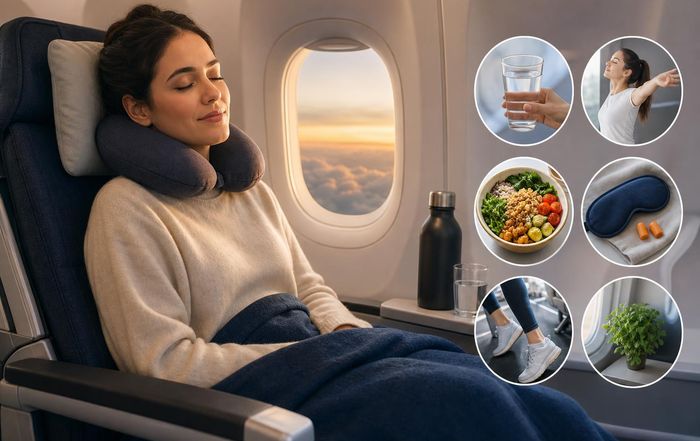
Practical Ways to Reduce Fatigue During Long-Haul Travel
Long-haul travel has become a defining feature of modern life, connecting families, enabling global business, and opening access to cultures and landscapes that earlier generations could only read about. Yet even as aircraft become more efficient and airports more sophisticated, the human body remains bound to circadian rhythms, hydration needs, and limits on comfort. Fatigue, jet lag, and the feeling of being "wiped out" for days after a trip are among the most common complaints of frequent travelers. For super fans of WorldsDoor, who often combine curiosity about travel, culture, health, and sustainable lifestyles, understanding how to reduce fatigue is not just a matter of convenience; it is central to maintaining wellbeing while exploring an interconnected world.
Practical strategies to manage long-haul travel fatigue draw from aviation medicine, sleep science, nutrition, and ergonomics, as well as from the lived experience of travelers and flight crews. The most effective approaches start well before boarding and continue through the flight and into the first days at the destination, integrating physical, mental, and environmental factors. This article brings together current, verifiable knowledge to outline evidence-based ways to arrive more alert, healthier, and better able to appreciate the journey.
Understanding Why Long-Haul Travel Is So Tiring
Long-haul flights, commonly defined by airlines and regulators as those lasting more than six to eight hours, place several simultaneous stresses on the body. Research summarized by the World Health Organization and International Air Transport Association indicates that the main contributors to fatigue are circadian rhythm disruption, restricted movement, low cabin humidity, altered air pressure, and sleep fragmentation.
The body's internal clock, or circadian rhythm, is regulated by light exposure, hormones such as melatonin, and habitual routines. When travelers cross multiple time zones quickly, the internal clock can become misaligned with local time, a condition known as jet lag. The U.S. Centers for Disease Control and Prevention (CDC) notes that this misalignment affects sleep quality, digestion, mood, and cognitive performance, and that symptoms tend to be more intense when traveling east compared with west because advancing the body clock is generally more difficult than delaying it. Those who want to explore the science of jet lag can consult resources from the CDC on healthy travel.
The aircraft environment adds further stressors. Commercial aircraft are usually pressurized to the equivalent of 6,000 to 8,000 feet above sea level, which slightly reduces blood oxygen saturation for most passengers, particularly those with underlying cardiovascular or respiratory conditions, according to studies reviewed by Aerospace Medical Association experts. Cabin humidity is often lower than 20 percent, significantly drier than most indoor environments, which contributes to dehydration, dry eyes, and mucous membrane irritation. Trusted health organizations such as the Mayo Clinic and the Cleveland Clinic consistently emphasize these factors when advising travelers.
Understanding these mechanisms helps travelers make more informed choices before, during, and after their journeys. On this site, where travel intersects with health, lifestyle, and technology, this holistic view is essential to designing more humane and enjoyable long-distance experiences.
Preparing the Body Before Departure
Effective fatigue reduction begins days before departure. Sleep researchers from institutions such as Harvard Medical School and Stanford University suggest that gradual adjustment of sleep schedules can mitigate jet lag. For eastbound travel, going to bed and waking up one hour earlier each day for several days before departure can help shift the circadian rhythm closer to the destination time zone. For westbound travel, the reverse applies: going to bed and waking later can ease adaptation. Guidance on circadian strategies is available from sources such as the Harvard Division of Sleep Medicine and the Sleep Foundation.
Light exposure plays a crucial role in this pre-trip preparation. Bright morning light helps advance the body clock, while evening light tends to delay it. Travelers can use natural sunlight or, when appropriate and medically advisable, light-therapy boxes to start nudging their rhythms in the right direction. While specialized jet lag calculators offered by some airlines and research groups can provide tailored light-exposure schedules, users should verify that tools they rely on are based on peer-reviewed circadian science rather than untested algorithms.
Physical conditioning and general health status strongly influence how the body tolerates long-haul flights. Regular moderate exercise, such as brisk walking or cycling, improves circulation and cardiovascular resilience, which may reduce the risk of swelling and discomfort during long periods of sitting. The World Health Organization recommends at least 150 to 300 minutes of moderate-intensity aerobic activity per week for adults, and maintaining this baseline before a journey can help travelers maintain energy and mood. Those interested in integrating travel with broader wellbeing goals can explore related content in the health section of WorldsDoor.
Nutrition and hydration in the days leading up to a long-haul flight also matter. Evidence from clinical studies suggests that extreme changes in diet to "hack" jet lag are less reliable than consistent, balanced eating patterns rich in whole grains, fruits, vegetables, and lean proteins. Reputable organizations such as the British Nutrition Foundation and the Academy of Nutrition and Dietetics advise travelers to avoid crash diets or heavy alcohol use before flying. Adequate hydration, primarily from water and low-sugar beverages, helps counteract the dehydrating effects of cabin air once on board.
Smart Scheduling and Itinerary Design
How a journey is structured can significantly influence fatigue levels. When possible, choosing flight times that align with natural sleep windows can make it easier to rest on board. Sleep experts often recommend overnight flights for journeys where travelers can realistically sleep for a substantial portion of the trip, especially when traveling eastward across the Atlantic or Pacific. Conversely, daytime flights may be preferable for those who struggle to sleep on planes, as they can then aim for a full night's rest on arrival.
Connecting flights introduce additional variables. While a direct flight minimizes total travel time and reduces the number of takeoffs and landings, a well-timed layover can offer an opportunity to stretch, access natural light, and reset. Major international hubs such as Singapore Changi Airport, Amsterdam Schiphol, and Zurich Airport have invested heavily in rest zones, quiet areas, and even short-stay hotels and spas, acknowledging the importance of rest in long-haul travel. Travelers can research airport facilities through official airport websites or trusted sources like Skytrax and IATA's traveler information.
For those who combine travel with work, carefully planning meetings and activities at the destination can prevent overloading the first day. Several occupational health studies have found that scheduling critical decision-making tasks at least 24 hours after arrival, when possible, reduces errors and improves performance. Business travelers can find further guidance on sustainable and humane travel practices through resources such as the International Labour Organization and the World Economic Forum, while WorldsDoor explores related themes in its business and world sections.
Managing Hydration, Nutrition, and Caffeine in the Air
Once on board, the choices passengers make regarding fluids, food, and stimulants play a central role in how fatigued they feel during and after the flight. Because cabin air is dry, medical organizations such as the National Health Service (NHS) in the UK and the Canadian government's travel health service advise drinking water regularly throughout the flight. Sipping small amounts frequently is often more comfortable than consuming large volumes at once, and it reduces the risk of feeling bloated or needing constant bathroom visits.
Alcohol and caffeine deserve particular attention. Alcohol is a diuretic and can exacerbate dehydration, impair sleep quality, and in some individuals contribute to headaches or nausea at cabin pressure altitudes. Many aviation medicine specialists recommend limiting or avoiding alcohol on long-haul flights, especially for travelers who are already fatigued or prone to jet lag. Caffeine, while helpful for maintaining alertness, can delay sleep if consumed in the hours before passengers intend to rest. The European Food Safety Authority and U.S. Food and Drug Administration provide conservative guidance on daily caffeine intake, and travelers sensitive to stimulants may wish to reduce their consumption on travel days.
In-flight meals are typically high in refined carbohydrates and sodium, which can contribute to bloating and post-meal drowsiness. When options allow, choosing lighter meals with vegetables, lean proteins, and whole grains can help maintain more stable energy levels. Some airlines, particularly on routes between Europe, Asia, North America, and Australia, now offer "wellness" or "light" meal options; passengers can verify menus in advance via airline websites or independent reviewers such as AirlineRatings. Those with special dietary needs should request appropriate meals ahead of time and, when regulations permit, bring healthy snacks such as nuts, fruit, or whole-grain crackers.
Movement, Circulation, and Reducing Physical Discomfort
Prolonged immobility is a major contributor to fatigue, stiffness, and in rare cases more serious conditions such as deep vein thrombosis (DVT). The World Health Organization and American College of Chest Physicians note that long periods of sitting, especially in cramped spaces, can slow blood flow in the legs. While the absolute risk of DVT for healthy travelers is low, the discomfort associated with swelling and stiffness can significantly worsen the feeling of exhaustion on arrival.
Practical countermeasures are well established. Standing up to walk the aisle at regular intervals, typically every one to two hours when safe to do so, promotes circulation and reduces muscle tension. Simple seated exercises such as ankle circles, heel lifts, and knee raises, which many airlines now include in their in-flight magazines or safety videos, can be performed even when the seatbelt sign is on. Compression stockings, when properly fitted and used according to medical advice, have been shown in several randomized studies to reduce leg swelling and may decrease DVT risk in higher-risk individuals, as summarized by the Cochrane Library.
Ergonomics also plays a role in fatigue. Adjusting seat position to support the lower back, using a small pillow or rolled-up garment as lumbar support, and ensuring that knees are not pressed tightly against the seat in front can reduce strain. A well-designed travel pillow can support the neck, especially in economy class where seats rarely recline enough for fully supine rest. Travelers who work on laptops in flight should be cautious about posture; raising the screen slightly and taking frequent breaks can help prevent neck and shoulder fatigue. Readers interested in broader lifestyle ergonomics can explore related themes in the lifestyle content on WorldsDoor.
Sleep Strategies: Balancing Rest and Adaptation
Sleep is the most powerful tool against fatigue, yet achieving restorative sleep on an aircraft is notoriously challenging. Noise, light, unfamiliar surroundings, and limited recline all contribute to fragmented rest. Sleep experts generally advise that travelers align their in-flight sleep with the destination night as much as possible, even if that means staying awake during the first part of a flight or waking earlier than feels natural. This alignment helps the internal clock adjust more quickly once on the ground.
Simple environmental controls can make a significant difference. Eye masks and noise-canceling or noise-reducing headphones create a darker, quieter micro-environment. Many airlines now dim cabin lights during scheduled sleep periods, but individual control remains important, especially when window shades are open. Layered clothing and a light scarf or travel blanket allow passengers to adapt to temperature changes, as cabin temperatures can vary considerably. Guidance on sleep hygiene from organizations such as the American Academy of Sleep Medicine and the National Sleep Foundation can be adapted to the travel context, emphasizing consistency, comfort, and minimizing disruptive stimuli.
The use of sleep medications or supplements such as melatonin is an area where travelers should proceed cautiously and ideally under medical supervision. Melatonin has been studied for jet lag, with several clinical trials suggesting that it can modestly shorten adaptation time when taken at the correct local evening time, particularly for eastbound travel. However, dosages, timing, and individual responses vary, and regulatory standards for over-the-counter supplements differ between countries. Reputable sources, including the U.S. National Center for Complementary and Integrative Health, stress the importance of consulting healthcare professionals before using such products, especially for children, pregnant individuals, or those on other medications.
Prescription sleep medications can induce sleep but may impair coordination, judgment, and even respiratory function at cabin altitudes, and some have been associated with residual drowsiness after landing. Aviation authorities and medical organizations generally advise using them only under strict medical guidance and avoiding them entirely for those who may need to respond quickly in an emergency. For many travelers, non-pharmacological strategies such as relaxation techniques, breathing exercises, and mindfulness practices provide safer ways to unwind and rest during the flight.
Mental Wellbeing, Stress, and the Experience of Travel
Fatigue is not purely physical; psychological stress and emotional state significantly influence how tired a traveler feels. Long-haul journeys can trigger anxiety about flying, concerns about missed connections, or stress related to work and family responsibilities. Studies published in journals such as Psychosomatic Medicine and Sleep indicate that pre-flight stress and rumination are associated with poorer sleep and greater perceived fatigue, even when objective sleep duration is similar.
Practical stress-management approaches can be integrated into the travel routine without requiring specialized training. Simple breathing exercises, such as slow diaphragmatic breathing for several minutes, have been shown to lower heart rate and perceived stress. Mindfulness and meditation apps, many of which offer offline modes, provide guided sessions tailored for travel or sleep. Reputable mental health organizations such as the American Psychological Association and Mind in the UK offer evidence-based advice on managing anxiety and building resilience.
Framing the journey as part of the adventure, rather than merely an obstacle between departure and destination, can also shift perception and reduce fatigue. For the WorldsDoor travel community, which values culture, travel, and society, using flight time to engage with destination-related books, documentaries, or language learning materials can transform passive hours into meaningful preparation. This sense of purpose can make the experience feel less draining and more enriching, even when physical conditions are less than ideal.
Arrival: First 24-48 Hours as a Recovery Window
What travelers do immediately after landing is just as important as what they do in the air. Health authorities and travel medicine specialists widely agree that exposure to natural daylight at the destination is one of the most effective ways to reset the body clock. Spending time outdoors, especially in the morning for eastbound travel or late afternoon for westbound travel, signals the brain to adjust melatonin and cortisol rhythms. Resources from organizations like the Sleep Foundation explain how targeted light exposure can accelerate circadian adaptation.
Short naps can be helpful, but timing and duration matter. Many sleep experts recommend limiting naps to 20-30 minutes and avoiding sleeping too late in the local day, as long naps or late-afternoon sleep can make it harder to fall asleep at night and prolong jet lag. Gentle physical activity, such as a walk through a nearby park or neighborhood, promotes circulation, boosts mood, and provides cultural orientation. For travelers exploring new cities or landscapes, this aligns naturally with the curiosity-driven ethos that we celebrate in the travel and world reporting.
Hydration and nutrition remain important after arrival. Replenishing fluids, choosing balanced meals, and avoiding heavy alcohol use on the first night support more restorative sleep. If the local cuisine is rich or unfamiliar, starting with lighter dishes can prevent digestive discomfort. Reliable culinary and nutrition guidance from sources such as the World Obesity Federation or the World Cancer Research Fund can help travelers make informed choices while still enjoying local food culture, a theme also explored in WorldsDoor's food section.
Technology, Innovation, and the Future of Less-Fatiguing Travel
Innovation in aviation and travel technology is gradually reshaping the experience of long-haul flights. Newer aircraft models from manufacturers such as Boeing and Airbus incorporate higher cabin humidity, lower cabin altitude, and improved air filtration, all of which are associated with reduced fatigue and discomfort according to research summarized by aerospace medicine experts and reported by outlets like FlightGlobal and Aviation Week. Airlines operating aircraft such as the Boeing 787 Dreamliner and Airbus A350 frequently highlight these features in their wellness messaging, though individual experiences vary.
Wearable devices and health apps now allow travelers to monitor sleep, heart rate, and activity throughout their journeys. While not all consumer devices are medically validated, many provide useful feedback on movement patterns and rest, encouraging users to stand, stretch, or hydrate at regular intervals. Travelers should, however, be cautious about over-interpreting data and instead use it as a gentle guide. Organizations such as the U.S. National Institutes of Health and European Medicines Agency continue to evaluate the reliability and appropriate use of digital health tools.
Sustainability is another dimension increasingly intertwined with fatigue and wellbeing. Airlines and airports are under pressure to reduce emissions, noise, and waste, and many of the measures taken to achieve these goals, such as more efficient aircraft and optimized flight paths, can also lead to smoother flights and shorter travel times. Travelers who wish to align their journeys with broader environmental values can explore resources on sustainable travel and climate-conscious choices from organizations such as the United Nations Environment Programme and Sustainable Travel International, as well as our dedicated environment, sustainable, and innovation sections.
Building a Personal Fatigue-Reduction Toolkit
Ultimately, reducing fatigue during long-haul travel is not about a single "hack" but about assembling a personalized toolkit of strategies that reflect individual health, preferences, and destinations. Some travelers will prioritize sleep optimization and circadian adjustment, while others may focus on movement, hydration, or mental wellbeing. The most robust evidence from medical and travel research supports a blended approach: preparing the body and schedule before departure, making thoughtful choices about movement, hydration, and rest in the air, and treating the first days after arrival as an adaptation window rather than an immediate endurance test.
As global mobility continues to evolve and new routes link cities across continents, the ability to travel long distances without debilitating fatigue becomes a form of practical resilience. For the online travel community, which sees travel as a gateway to understanding culture, education, and the wider world, investing in these evidence-based practices means not only arriving in better shape, but also being more present, curious, and engaged once there. By combining scientific insight with thoughtful planning and a respect for the body's natural rhythms, long-haul travel can become less of an ordeal and more of an inspiring extension of everyday life.