

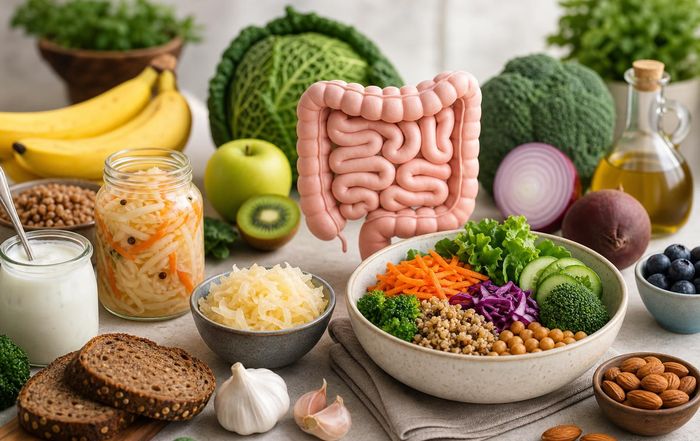
Practical Ways to Support Gut Health Through Everyday Meals
Why Gut Health Has Become a Global Priority
Across continents, from the bustling food markets of Bangkok to the wellness cafés of Berlin and the farmers' markets of California, one theme has moved from niche interest to mainstream conversation: the health of the human gut. Now advances in microbiome research, combined with a rising global focus on prevention and holistic wellbeing, have firmly established gut health as a cornerstone of modern lifestyle, travel, and culinary choices. For travel fans, who explore the intersections of culture, food, health, and sustainable living, understanding how everyday meals can nurture the gut offers both practical value and a deeper appreciation of the world's culinary diversity.
Scientists increasingly view the gut as a complex ecosystem rather than a simple digestive tube. Research summarized by Harvard T.H. Chan School of Public Health and Cleveland Clinic describes a vast community of bacteria, fungi, and other microorganisms-collectively known as the gut microbiota-interacting with the immune system, metabolism, and even the brain. While there is ongoing debate about exactly which microbial patterns define a "healthy" gut, multiple independent studies converge on several key ideas: dietary diversity, fiber intake, and minimally processed foods appear consistently beneficial, whereas diets high in ultra-processed products and added sugars are associated with reduced microbial diversity and higher inflammation.
For everyday life, this means that supporting gut health does not require exotic supplements or extreme regimens. Instead, it usually begins in the kitchen, at the café table, and in the choices travelers and families make when selecting simple, satisfying meals.
For more broad context on wellness and daily living, readers can explore WorldsDoor Lifestyle and WorldsDoor Health, where gut health connects naturally with sleep, movement, and emotional balance.
Understanding the Gut-Body Connection
The gut's influence extends across systems that many people do not intuitively associate with digestion. According to overviews from Johns Hopkins Medicine and Mayo Clinic, the gut microbiota helps break down complex carbohydrates, produces certain vitamins, interacts with immune cells, and communicates with the central nervous system via neural, hormonal, and immune pathways. While research is still evolving and not all cause-effect relationships are fully established, there is growing consensus that a more diverse and resilient gut microbiome tends to correlate with markers of better metabolic health and lower inflammation.
This emerging understanding has shaped public health guidance in North America, Europe, and Asia. Institutions such as Public Health England (now the UK Health Security Agency), Health Canada, and the U.S. National Institutes of Health emphasize fruits, vegetables, whole grains, legumes, nuts, and seeds as daily staples. These foods provide not only vitamins and minerals but also fibers and plant compounds that gut microbes can use as fuel.
On WorldsDoor, this science becomes tangible through stories of how people in different cultures naturally integrate gut-supportive habits into their daily routines-from traditional fermented foods in Korea and Germany to fiber-rich Mediterranean meals in Italy and Spain. Readers interested in how these practices intersect with cultural identity and history can explore WorldsDoor Culture and WorldsDoor Travel.
The Role of Fiber and Plant Diversity in Everyday Meals
One of the most consistent findings in gut health research is the value of dietary fiber. Unlike simple sugars and refined starches, many fibers pass undigested through the upper digestive tract and reach the colon, where they become food for microbes. Reviews from The American Gut Project and articles discussed by The British Nutrition Foundation suggest that people who regularly consume a wide range of plant foods tend to have more diverse microbiota. While exact numbers vary across studies, some researchers have proposed that aiming for around thirty different plant foods per week-counting fruits, vegetables, whole grains, legumes, herbs, nuts, and seeds-can be a useful and achievable benchmark for many adults, provided there are no specific medical contraindications.
In practical terms, this does not require elaborate recipes. It can mean adding a handful of mixed seeds to breakfast porridge, combining several vegetables in a simple stir-fry, or choosing mixed bean salads as a side instead of fries. Whole-grain breads, oats, barley, brown rice, quinoa, and other intact grains provide additional fiber and support sustained energy, which can be especially valuable for travelers navigating long days of exploration or remote work.
For those who wish to explore broader lifestyle frameworks that integrate such habits, WorldsDoor Sustainable Living and WorldsDoor Environment highlight how plant-forward diets not only support personal gut health but also align with lower environmental footprints, an important consideration in Europe, North America, Asia, and beyond.
Fermented Foods: Traditional Wisdom Meets Modern Microbiome Science
Fermented foods have long histories in many of the regions that WorldsDoor readers care about most. In Korea, kimchi and doenjang; in Germany, sauerkraut; in Japan, miso and natto; in Scandinavia, cultured dairy like filmjölk and skyr; in the United States and Canada, an expanding range of yogurts, kefirs, and kombuchas-all illustrate how cultures have harnessed microbial activity to preserve food and enhance flavor.
Modern research, including work summarized by Stanford Medicine and Nature Reviews Gastroenterology & Hepatology, has begun to explore how such foods may influence gut microbiota and immune markers. Some studies report that diets rich in fermented foods can increase microbial diversity and may modulate inflammatory responses, although the exact strains and mechanisms remain under active investigation, and not all fermented products have the same effects.
From a practical perspective, everyday meals can easily incorporate fermented elements without overhauling culinary traditions. A spoonful of sauerkraut or kimchi alongside roasted vegetables, a serving of live-culture yogurt with fruit and nuts at breakfast, or miso added at the end of cooking a soup to preserve its delicate compounds can all introduce beneficial microbes and bioactive substances. For those with lactose intolerance, many yogurts and kefirs are better tolerated than milk, but it remains important to consider individual sensitivities and, when needed, to seek medical advice before making major dietary changes.
Travelers can also use fermented foods as a lens for cultural discovery. Exploring traditional markets in Seoul, visiting a family-run cheese producer in France, or tasting naturally fermented sourdough in San Francisco can be both a sensory experience and an informal lesson in microbiology. To see how such journeys connect with broader narratives of culture and health, readers can browse WorldsDoor Food and WorldsDoor Travel.
Balancing Probiotics and Prebiotics in Daily Eating
Probiotics and prebiotics have entered mainstream vocabulary, but their roles are sometimes misunderstood. According to The International Scientific Association for Probiotics and Prebiotics (ISAPP) and educational resources from The World Gastroenterology Organisation, probiotics are live microorganisms that, when consumed in adequate amounts, may confer health benefits, while prebiotics are specific substrates-often certain fibers-that selectively stimulate the growth or activity of beneficial microbes.
Fermented foods can contain live microbes, but not all fermented products qualify as probiotics, and the health effects can vary by strain and dose. Similarly, prebiotic fibers are found naturally in foods such as onions, garlic, leeks, asparagus, bananas, chicory root, and whole grains. Including these ingredients in everyday cooking, for example in Mediterranean-style dishes featuring garlic and onions or in Asian stir-fries with leeks and vegetables, can gently support the growth of favorable bacteria.
For many people, focusing first on whole-food sources of prebiotics and fermented foods is a practical starting point. Supplements may be appropriate in specific clinical contexts, but guidance from The American Gastroenterological Association notes that evidence for over-the-counter probiotic supplements is mixed and strain-specific, and they are not a universal solution. Consulting healthcare professionals is advisable before using high-dose supplements, particularly for individuals with compromised immune systems or serious medical conditions.
On WorldsDoor, discussions of probiotics and prebiotics often intersect with ethical and sustainability considerations, including responsible sourcing, transparent labeling, and equitable access to nutritious foods. Readers can explore these themes further through WorldsDoor Ethics and WorldsDoor Society.
Reducing Ultra-Processed Foods Without Losing Convenience
One of the most practical levers for supporting gut health is reducing the proportion of ultra-processed foods in daily meals. Research summarized by The BMJ and The World Health Organization associates high intake of ultra-processed products-often rich in refined starches, added sugars, unhealthy fats, and additives-with increased risk of obesity, cardiovascular disease, and other chronic conditions. While the precise impact of additives and emulsifiers on the microbiome remains an area of ongoing study and debate, some experimental work, such as research discussed by Science and Cell, has raised questions about how certain ingredients may affect gut barrier function and microbial composition in animal models.
For individuals and families balancing busy schedules in cities from New York to Singapore, convenience remains essential. The goal is not perfection but gradual shifts toward less processed options. This can include choosing plain yogurt and adding fruit instead of flavored varieties with high sugar content, selecting whole-grain bread with short ingredient lists, or preparing simple batch-cooked dishes like lentil soups, vegetable stews, and grain salads that can be stored for several days. Even when dining out or ordering in, opting for dishes that emphasize vegetables, legumes, and whole grains rather than heavily fried or sugary options can support a healthier microbial environment.
Readers interested in how these choices intersect with broader economic and policy trends, such as food labeling regulations and public health campaigns in Europe, North America, and Asia, can explore WorldsDoor Business and WorldsDoor World, where nutrition, regulation, and innovation often converge.
Cultural Food Traditions as Guides to Gut-Friendly Eating
Many traditional cuisines naturally embody principles that contemporary science now associates with gut health. The Mediterranean diet, which has been extensively studied and described by organizations like The European Society of Cardiology and Oldways, emphasizes vegetables, fruits, whole grains, legumes, olive oil, nuts, and moderate amounts of fish and fermented dairy. This pattern offers abundant fiber, healthy fats, polyphenols, and fermented foods, all of which can support a diverse microbiome.
Similarly, traditional Japanese diets often feature fermented soy products, seaweed, fish, rice, and a variety of vegetables, while many African and South American food cultures center on legumes, whole grains, tubers, and fermented staples such as injera or fermented cassava. These patterns, when not heavily Westernized or ultra-processed, tend to provide the microbial-accessible carbohydrates and plant compounds that modern research highlights.
For travelers and global citizens, embracing local, traditional dishes can therefore be both a cultural and a health-conscious choice. Exploring authentic tapas in Spain, whole-grain rye breads and root vegetables in Scandinavia, or bean-based feijoada in Brazil can enrich the microbiome while deepening appreciation for regional heritage. On WorldsDoor, such experiences are often framed as gateways to understanding how food, identity, and environment intertwine, and readers can further engage with these narratives through WorldsDoor Culture and WorldsDoor Travel.
Mindful Eating, Stress, and the Gut-Brain Axis
The concept of the gut-brain axis, which describes the bidirectional communication between the digestive system and the central nervous system, has moved from academic journals into mainstream awareness. Overviews from The American Psychological Association and Harvard Medical School note that stress, anxiety, and sleep disruption can influence gut motility, secretion, and microbial composition, while signals from the gut can affect mood and cognitive function.
In everyday life, this means that how a person eats can matter as much as what is on the plate. Eating in a rushed, distracted state, frequently skipping meals, or relying on late-night heavy snacks may exacerbate digestive discomfort for some individuals. In contrast, practices such as taking time to chew thoroughly, pausing to notice flavors and textures, and sharing meals in a relaxed social setting can support more comfortable digestion. While the evidence base for specific mindfulness practices and their direct impact on the microbiome is still emerging and not fully conclusive, many clinicians and researchers agree that stress management generally benefits both mental and digestive health.
Readers seeking to integrate nutrition with broader wellbeing practices-such as movement, sleep hygiene, and emotional resilience-can find complementary insights on WorldsDoor Health and WorldsDoor Lifestyle, where the gut is considered part of a larger ecosystem of body and mind.
Personalization, Sensitivities, and Working with Professionals
While general principles such as increasing fiber and plant diversity are widely supported, gut health is highly individual. Conditions such as irritable bowel syndrome (IBS), inflammatory bowel disease (IBD), celiac disease, and food allergies require tailored approaches. For instance, some people with IBS may benefit from a temporary low-FODMAP diet under professional guidance, as described by Monash University, which helps identify specific fermentable carbohydrates that trigger symptoms. However, this strategy is typically not intended as a permanent lifestyle, because long-term severe restriction of fermentable fibers could reduce microbial diversity.
Similarly, individuals with celiac disease must strictly avoid gluten, while others with non-celiac gluten sensitivity may notice symptom improvement when reducing gluten-containing grains. These conditions underscore the importance of distinguishing between general wellness advice and medical nutrition therapy. Reputable organizations such as The American College of Gastroenterology and Coeliac UK emphasize the value of diagnosis and guidance from qualified healthcare professionals rather than self-diagnosis based solely on online information.
For visitors here, who often navigate diverse cuisines while traveling or living abroad, this means being attentive to individual responses, seeking professional input when necessary, and balancing curiosity with self-care. Education plays a vital role, and resources that explain digestive conditions in accessible language, such as The National Institute of Diabetes and Digestive and Kidney Diseases, can empower people to make informed decisions. Those interested in the broader educational dimension of health can further explore WorldsDoor Education.
Sustainability, Innovation, and the Future of Gut-Friendly Eating
In 2026, the conversation about gut health intersects increasingly with sustainability, technology, and innovation. Start-ups and research groups in the United States, Europe, and Asia are exploring precision nutrition, microbiome-based diagnostics, and novel fermented products. Initiatives described by The EAT-Lancet Commission and The Food and Agriculture Organization of the United Nations highlight how diets rich in plant-based foods can support both human health and planetary boundaries, though the exact optimal balance of animal and plant foods remains a subject of active scientific and cultural discussion.
Emerging technologies, including AI-assisted dietary tracking, microbiome sequencing, and smart kitchen appliances, are beginning to help individuals experiment with gut-friendly choices in more personalized ways. At the same time, there is recognition among public health experts and ethicists that access, affordability, and cultural relevance must remain central considerations, so that advances in microbiome science do not widen health disparities. Organizations such as The World Health Organization and The World Economic Forum continue to emphasize equitable access to nutritious food as a global priority.
For this site which sits at the crossroads of travel, culture, environment, and technology, these trends offer rich ground for exploration. Articles on WorldsDoor Innovation and WorldsDoor Technology increasingly examine how new tools can complement traditional culinary wisdom, while WorldsDoor Environment and WorldsDoor Sustainable consider how gut-friendly, plant-rich diets can support more resilient food systems worldwide.
Bringing It All Together in Everyday Life
Supporting gut health through everyday meals does not require perfection, expensive products, or radical dietary shifts. Instead, it emerges from a series of practical, enjoyable choices that can be adapted to different cultures, budgets, and personal preferences. Emphasizing a wide variety of plant foods, including whole grains, legumes, vegetables, fruits, nuts, and seeds, provides the fibers and phytochemicals that nourish beneficial microbes. Incorporating traditional fermented foods, when tolerated, can add microbial diversity and flavor. Reducing reliance on ultra-processed foods, while preserving convenience through simple home cooking and thoughtful choices when dining out, helps create a more stable internal ecosystem.
Equally important is the recognition that gut health is interconnected with emotional wellbeing, sleep, movement, and social connection. Sharing meals, exploring new cuisines while traveling, and respecting one's own body signals all contribute to a more holistic approach to digestion and vitality. For those with specific medical conditions or persistent symptoms, collaboration with healthcare professionals ensures that personalized needs are met safely and effectively.
As the team continues to follow developments in microbiome research, sustainable food systems, and global culinary traditions, the guiding message remains one of curiosity, respect, and empowerment. By approaching each meal as an opportunity to care for the trillions of microscopic companions within, individuals across the United States, Europe, Asia, Africa, and the rest of the world can cultivate not only better gut health but also a deeper sense of connection-to their own bodies, to the cultures they encounter, and to the shared planet that nourishes us all. For further inspiration across health, travel, culture, and more, readers are invited to explore the broader universe of stories at WorldsDoor.