

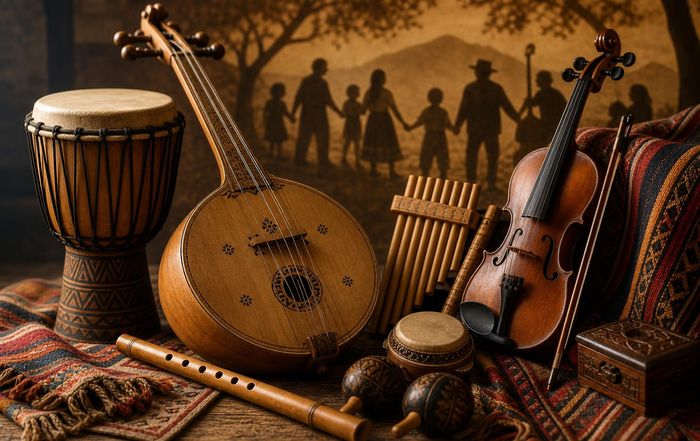
Regional Music Traditions That Connect Generations
Regional music traditions have long served as living archives of memory, identity, and shared experience, carrying stories across centuries and binding communities in ways that written records alone cannot achieve. In a world that in 2026 is more interconnected than at any point in human history, these musical lineages continue not only to survive but to adapt, creating bridges between elders and youth, between local identity and global culture, and between heritage and innovation. For WorldsDoor, which is dedicated to exploring how people live, move, and dream across cultures, the enduring power of regional music offers a particularly vivid lens on how generations stay connected even as societies transform.
Music as an Intergenerational Language
Ethnomusicologists at institutions such as Smithsonian Folkways and the International Council for Traditional Music consistently emphasize that regional music is not simply entertainment; it is a form of social knowledge. Lullabies, harvest songs, work chants, and ceremonial pieces encode social norms, historical events, spiritual beliefs, and ecological wisdom. Grandparents who may not share the same digital fluency as their grandchildren often find that songs, rhythms, and dances become a common language through which stories can be told and retold.
In many communities, musical apprenticeship remains one of the primary ways that cultural memory is transferred. A child learning a traditional fiddle tune in Ireland, a raga in India, or a drum pattern in Ghana is not only acquiring technical skill but also entering a lineage that can stretch back hundreds of years. This is one reason why organizations such as UNESCO have designated numerous regional music traditions as elements of Intangible Cultural Heritage, recognizing that their survival helps preserve community continuity and intergenerational solidarity. For widely travelled individuals, who often encounter new cultures through travel, food, or language, understanding music as a vehicle of memory deepens the experience of exploring the world's diverse regions.
European Folk Revivals and New Generations
Across Europe, regional music has been at the heart of cultural revivals that explicitly seek to reconnect younger generations with their roots. In Ireland, traditional music sessions in pubs and community centers have long been intergenerational spaces where older musicians share repertoire with younger players. Institutions such as Comhaltas Ceoltóirí Éireann have supported teaching, competitions, and festivals, helping to ensure that jigs, reels, and slow airs continue to be learned by children and teenagers. The contemporary success of artists working in or alongside traditional idioms, from Irish ensembles to Scottish and Welsh folk innovators, demonstrates that heritage music can coexist with modern aesthetics rather than being trapped in nostalgia.
Similar dynamics can be observed in Scandinavia, where Swedish and Norwegian folk traditions, including the haunting sound of the nyckelharpa and the Hardanger fiddle, have gained new attention. Research and documentation by bodies such as Nordic Sound and Music Collection and national folk music archives have made it easier for young musicians to access historic recordings and manuscripts. This has supported a wave of contemporary artists who blend regional folk melodies with jazz, classical, and electronic influences, creating a sonic meeting point where grandparents recognize familiar tunes while younger listeners hear something distinctly of their own era. Travelers who explore the cultural sections of WorldsDoor's culture coverage can see how these revivals often link to festivals, rural tourism, and local craftsmanship, forming a holistic experience of place.
In Central and Eastern Europe, from Hungarian village bands to Polish highland music and Romani traditions, regional styles continue to be revitalized through community festivals and urban folk clubs. Studies from the European Music Council note that these scenes often function as informal schools of cultural citizenship, where young people learn not only music but also the history of migration, political change, and minority resilience that the songs narrate. For many families, attending folk festivals has become an annual ritual that reinforces bonds between generations and provides a positive counterpoint to the rapid pace of digital life.
African Rhythms as Living Memory
On the African continent, regional music traditions embody complex relationships between community, spirituality, and history. In West Africa, griots or jeliw, particularly among the Mandé peoples, have long served as custodians of oral history, using instruments such as the kora, balafon, and ngoni to recount genealogies and historical events. Organizations like Music In Africa document how griot lineages continue to pass their art from elders to younger family members, even as these younger musicians collaborate with global jazz, hip-hop, and electronic artists. The result is a musical dialogue in which centuries-old praise songs can appear alongside contemporary social commentary, allowing grandparents and grandchildren to share common reference points in performance.
In South Africa, the legacy of choral traditions such as isicathamiya, made globally visible by groups like Ladysmith Black Mambazo, remains central to community life. Church choirs, school ensembles, and neighborhood singing groups often bring together participants of different ages, reinforcing a sense of shared purpose. Research from the South African College of Music indicates that these intergenerational ensembles can strengthen social cohesion in communities facing economic and social challenges, providing structured opportunities for mentorship and mutual support. For readers interested in how music intersects with social well-being, WorldsDoor's society section frequently highlights how such traditions contribute to resilience and communal care.
Across North and West Africa, devotional and Sufi musical traditions, such as gnawa in Morocco or dhikr ceremonies in Sudan, also function as multigenerational spaces in which spiritual practice and musical transmission are inseparable. As tourism and cultural exchange grow, local communities, cultural ministries, and NGOs increasingly work together to ensure that these performances are presented respectfully, balancing economic opportunity with the need to preserve the integrity of the rituals. Travelers who seek to engage with these traditions thoughtfully are often encouraged to learn about their religious and historical context through reliable sources such as UNESCO's cultural heritage portal before attending performances.
Asian Classical and Folk Lineages
In Asia, regional music traditions are often closely tied to systems of apprenticeship and philosophical frameworks that stretch back millennia. In India, the classical music systems of Hindustani and Carnatic music are structured around guru-shishya (teacher-disciple) relationships, in which knowledge is passed orally and experientially from one generation to the next. Institutions such as the ITC Sangeet Research Academy and conservatories across the country support these lineages while also documenting them for broader audiences. Even as streaming platforms introduce ragas to global listeners, the core of the tradition remains the intimate, personal relationship between teacher and student, often spanning decades and involving deep trust and shared life experience.
In Japan, traditions such as gagaku (court music), noh theater music, and regional folk styles like min'yō continue to be preserved through both family-based transmission and formal training. The Agency for Cultural Affairs of Japan designates certain master performers as Living National Treasures, recognizing their role in passing on specialized repertoires. Younger musicians, some of whom also perform in rock, pop, or anime-related genres, increasingly see traditional instruments such as the shamisen, koto, and taiko as part of a broader musical identity rather than as separate from contemporary culture. This blending of old and new is visible in the programming of festivals and concert halls, where traditional ensembles may share the stage with experimental or electronic artists, allowing audiences of all ages to experience continuity and change in a single evening.
In Southeast Asia, the communal nature of many musical forms creates natural opportunities for intergenerational participation. Indonesian gamelan, for example, often involves large ensembles with metallophones, gongs, and drums, and community-based groups can include children, adults, and elders playing side by side. Research by institutions such as SOAS University of London's music department shows how gamelan has been adopted in schools and universities worldwide, turning a regional tradition into a global educational tool that introduces students to non-Western tuning systems, cyclical time, and collaborative listening. For smart people who are interested in education and cultural exchange, exploring how such ensembles are used in classrooms connects directly to themes covered in the platform's education section.
Indigenous Music and Cultural Resurgence
In many parts of the world, Indigenous communities are using music as a central pillar of cultural resurgence, language revitalization, and youth empowerment. In North America, First Nations, Inuit, and Métis musicians are drawing on traditional drumming, powwow songs, throat singing, and storytelling to create new forms that speak to contemporary realities. Organizations such as the Native American Music Awards and initiatives supported by the Canada Council for the Arts highlight how elders and youth collaborate, with older singers providing language and ceremonial frameworks while younger artists incorporate hip-hop, rock, and electronic production.
Similar movements can be seen in Australia, where Aboriginal and Torres Strait Islander musicians blend songlines, didgeridoo, and clapsticks with modern genres, and in New Zealand, where Māori artists continue to revitalize waiata and haka in both formal and informal settings. The Waitangi Tribunal and cultural organizations have documented how music and performance are instrumental in strengthening te reo Māori (the Māori language), particularly among younger generations. For travelers interested in responsible cultural tourism, WorldsDoor often emphasizes, through its travel and world coverage, the importance of engaging with Indigenous performances through community-led venues and respecting local protocols.
In the Arctic regions, Inuit throat singing, once suppressed under colonial policies, has experienced a powerful revival. Young performers learn from elders while also sharing their art on global stages and digital platforms. Institutions such as Inuit Tapiriit Kanatami and regional cultural centers support workshops that bring together multiple generations, demonstrating how music can be a healing force in communities that have faced historical trauma. These examples illustrate that regional traditions are not static relics but active tools for reclaiming identity and envisioning futures grounded in ancestral knowledge.
Health, Well-Being, and the Neuroscience of Tradition
Beyond cultural identity, regional music traditions are increasingly recognized for their impact on mental and physical health, particularly when they involve intergenerational participation. Research compiled by the World Health Organization and studies published in journals such as Frontiers in Psychology indicate that group music-making can reduce stress, improve mood, and enhance cognitive function in older adults. When younger and older participants engage together, the benefits extend to reduced age-related stereotypes, increased empathy, and stronger community bonds.
In many cultures, lullabies and children's songs form some of the earliest shared musical experiences between generations. Neuroscientific research from institutions such as Harvard Medical School suggests that these early musical interactions support language development, emotional regulation, and secure attachment. When families maintain regional musical repertoires-whether through singing in specific dialects, using traditional instruments, or performing dances at family gatherings-they are not only preserving culture but also nurturing psychological resilience. For readers exploring wellness topics at WorldsDoor, the intersection of traditional music and holistic health aligns with themes covered in the platform's health and lifestyle sections, where well-being is understood in both individual and communal terms.
Community choirs, dance troupes, and instrumental ensembles that focus on regional repertoire have also become important resources in aging societies. In countries such as Germany, Sweden, and Japan, local cultural centers and elder-care programs often incorporate folk songs and dances into their activities, recognizing that familiar melodies can trigger positive memories even in individuals with dementia. Organizations like Alzheimer's Disease International highlight that music from one's youth and cultural background can play a unique role in maintaining a sense of self, which becomes particularly meaningful when shared with younger family members.
Technology, Preservation, and Innovation
The digital age has transformed how regional music is documented, taught, and shared, creating both opportunities and challenges for intergenerational connection. On one hand, streaming platforms and video-sharing sites allow young people to access archival recordings and contemporary performances from around the world. On the other, algorithms can sometimes favor mainstream genres, making it harder for niche or local traditions to gain visibility without deliberate curation. Institutions such as the British Library Sound Archive and the Library of Congress have undertaken large-scale digitization projects to preserve threatened recordings and make them accessible to researchers, educators, and the public.
For families and communities, digital tools can become powerful allies in bridging generational gaps. Grandparents teaching songs to grandchildren may now record sessions on smartphones, create shared playlists of regional music, or connect with relatives abroad through online performances. Educational platforms and open-access resources, including those promoted by the International Music Council, provide teaching materials that help schools integrate local music into curricula. In this context, WorldsDoor's technology coverage at worldsdoor.com/technology.html frequently explores how digital innovation can support cultural continuity rather than eroding it, highlighting projects that use apps, virtual reality, or interactive archives to bring traditional music to new audiences.
At the same time, ethical questions arise regarding ownership, consent, and commercialization. Communities whose music has historically been recorded without adequate recognition or compensation are increasingly insisting on frameworks that respect their rights. Guidelines from organizations such as WIPO and cultural heritage charters encourage responsible documentation and sharing, ensuring that the benefits of new technologies are equitably distributed. For readers interested in the ethics of cultural representation, the ethics section at worldsdoor.com/ethics.html offers reflections on how to support regional music traditions in ways that honor community agency.
Sustainability, Environment, and Place-Based Sound
Regional music is often inseparable from the landscapes and ecosystems in which it developed. Songs that reference rivers, mountains, or seasons encode ecological knowledge and emotional connections to place, which can be crucial in an era of climate change and environmental disruption. Environmental humanities scholars and organizations like the United Nations Environment Programme have begun to explore how traditional songs and soundscapes can contribute to environmental awareness and stewardship, particularly when younger generations learn from elders who have lived through significant ecological changes.
In coastal communities, for example, sea shanties and fishing songs once coordinated labor and transmitted practical knowledge about tides and weather patterns. As industrialization and climate change alter livelihoods, these songs may take on new meanings, becoming memorials to lost ways of life or rallying points for environmental activism. Initiatives that document such repertoires, including local museums and community archives, help ensure that the relationship between culture and environment is not forgotten. Readers who follow the environment and sustainable living coverage at worldsdoor.com/environment.html and worldsdoor.com/sustainable.html will recognize that preserving cultural soundscapes is part of a broader commitment to safeguarding both biodiversity and cultural diversity.
In rural regions of Europe, Asia, and the Americas, festivals celebrating harvests, solstices, or local deities often feature music that is tightly bound to seasonal cycles. When children participate in these events-whether by singing in choirs, learning traditional dances, or playing in local bands-they are introduced to a worldview in which human life is embedded in natural rhythms. This perspective can shape attitudes toward conservation and land use, reinforcing values of care and continuity that extend beyond individual lifetimes.
Tourism, Economy, and Community-Led Experiences
Cultural tourism has made regional music visible to international audiences, providing economic opportunities while also introducing new pressures. Festivals, concert tours, and heritage centers often rely on traditional music to attract visitors, from flamenco in Spain to fado in Portugal, tango in Argentina, and bluegrass in the United States. Organizations such as the UN World Tourism Organization emphasize that sustainable tourism should involve local communities in decision-making, ensuring that performances remain meaningful for residents as well as visitors.
When done thoughtfully, tourism can support intergenerational transmission by creating demand for local music education, instrument making, and performance opportunities. In many regions, family-run guesthouses or community tourism initiatives invite guests to participate in music and dance evenings where multiple generations perform together, turning hospitality into a shared cultural experience. The travel section at worldsdoor.com/travel.html frequently highlights destinations where such experiences are community-led and respectful, encouraging travelers to seek out venues that prioritize authenticity over commodification.
At the same time, communities must navigate the risk of adapting their music too heavily to tourist expectations, potentially simplifying complex traditions or altering sacred elements for entertainment. Cultural policy experts and NGOs, including those referenced by Cultural Survival, advocate for clear boundaries between public and private repertoires, as well as fair compensation and intellectual property protections. These considerations underscore the importance of viewing regional music not merely as a marketable product but as a living expression of community values.
A Doorway Between Generations
For our editorial and research team, which seeks to open pathways between cultures, generations, and ways of life, regional music traditions offer a uniquely resonant doorway. Whether readers are discovering a village festival in Italy, a powwow in Canada, a gamelan rehearsal in Indonesia, or a folk session in a London pub, they are encountering more than sound; they are stepping into conversations that began long before they arrived and will continue after they leave. In the year 2026, when digital connectivity can sometimes give the illusion that all culture is instantly accessible and endlessly interchangeable, regional music reminds listeners that depth, locality, and lineage still matter.
These traditions demonstrate that continuity and innovation are not opposites but partners. Young musicians who remix ancestral melodies, elders who embrace new technologies to share their art, and communities that welcome respectful visitors into their musical lives all show that heritage can be a source of creativity rather than constraint. By engaging with regional music thoughtfully-seeking context, supporting community-led initiatives, and valuing the voices of those who carry these traditions forward-listeners and travelers alike participate in an ongoing exchange that honors the past while imagining new futures.
As online visitors explore the new 100% original stories across culture, food, innovation, and business, the threads of regional music will continue to appear in stories of festivals, family gatherings, educational programs, and creative enterprises. Each of these stories underscores a simple yet profound truth: when people sing, play, and dance together across generations, they affirm that identity is not only inherited but continually created, and that in the shared space of music, doors between worlds-and between ages-remain open.