

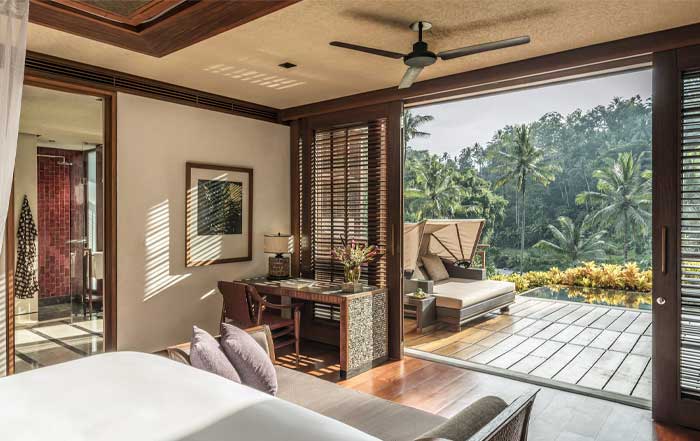
Wellness Travel: How Conscious Luxury Is Redefining Global Well-Being
Wellness travel in 2026 has matured from a niche trend into a defining force in global tourism, reshaping how individuals, businesses, and destinations understand luxury, health, and purpose. What began as a movement toward spa breaks and yoga retreats has evolved into a sophisticated ecosystem where medical science, ancient wisdom, architecture, technology, and environmental stewardship converge to support long-term physical, mental, and emotional well-being. For the international audience of worldsdoor.com, spanning regions from North America and Europe to Asia-Pacific, Africa, and South America, this transformation is not merely about where people travel, but why and how they choose to move through the world.
As lifestyles have become more demanding and digitally saturated, travelers now seek experiences that deliver measurable health benefits, emotional clarity, and deeper connection rather than simple escapism. According to the Global Wellness Institute, wellness tourism surpassed $1.3 trillion in 2024 and is on track to exceed $1.6 trillion by 2027, reflecting a sustained demand for travel that integrates longevity, mindfulness, and sustainable living. This evolution is closely aligned with broader shifts toward conscious consumption, ethical business models, and experiential luxury, themes that are central to the editorial focus of World's Door.
The New Wellness Traveler: Intentional, Data-Literate, and Value-Driven
The modern wellness traveler no longer views health as an afterthought to leisure; instead, health is the primary lens through which destinations, accommodations, and itineraries are evaluated. This traveler is often highly informed, accustomed to reading scientific research summaries from platforms such as Harvard T.H. Chan School of Public Health or Mayo Clinic, and expects wellness offerings to be grounded in credible evidence rather than vague promises. Whether coming from the United States, United Kingdom, Germany, Canada, Australia, or rapidly growing wellness hubs in Asia and Latin America, these guests seek personalization at every stage of their journey.
Personalized health programs now begin long before arrival. Guests complete digital assessments, share data from wearables, and sometimes upload results from blood panels or genetic tests. Upon arrival at leading wellness resorts, they often undergo comprehensive diagnostics-ranging from metabolic and hormonal analysis to stress and sleep profiling-similar to programs documented by institutions like Cleveland Clinic's Center for Integrative & Lifestyle Medicine. This data-rich approach allows practitioners such as nutritionists, sports scientists, yoga therapists, and longevity specialists to design programs that address specific goals, whether stress recovery for executives, metabolic reset for midlife professionals, or performance optimization for entrepreneurs and creatives.
For readers exploring how these evolving preferences intersect with everyday habits, World's Door's lifestyle coverage offers a complementary perspective on the choices people make between trips and how those choices influence the effectiveness of wellness travel.
Europe's Precision Sanctuaries: Alpine Medicine and Heritage Spa Culture
Europe maintains its reputation as a cradle of sophisticated wellness, particularly for travelers from Europe, North America, and Asia who seek clinical rigor combined with refined hospitality. In Switzerland, Clinique La Prairie and Chenot Palace Weggis continue to symbolize the fusion of medical expertise and serene Alpine landscapes. Guests undergo advanced diagnostics in settings that echo the standards of leading hospitals yet remain deeply rooted in hospitality, with programs addressing cellular regeneration, detoxification, and age-related risk factors. The approach mirrors broader European commitments to preventive healthcare, as reflected in policy frameworks from bodies such as the World Health Organization - Europe.
Nearby, Bürgenstock Resort Lake Lucerne has become an emblem of contemporary Alpine wellness, where cryotherapy, hydrotherapy, and mindfulness practices coexist with panoramic views and meticulously designed spa architecture. In Germany and Austria, the historic Kurhaus and thermal bath traditions have been translated into modern medical resorts, such as Lanserhof Tegernsee and VIVAMAYR Altaussee, which specialize in metabolic reset, fasting protocols, and gut health optimization. These destinations attract visitors from Germany, the Netherlands, Switzerland, Scandinavia, and beyond, who recognize that disciplined programs in controlled environments can deliver long-lasting benefits that extend far beyond the duration of a stay.
For readers interested in how these European models intersect with sustainable tourism and regional planning, World's Door's sustainability section provides additional context on how destinations balance economic growth with environmental and social responsibility.
Asia's Timeless Wisdom, Refined for a Global Audience
While Europe leads in precision and medicalization, Asia remains the spiritual and philosophical heart of global wellness. In India, Ananda in the Himalayas continues to interpret Ayurveda, yoga, and meditation for a global clientele, crafting individualized programs based on dosha balance, seasonal rhythms, and dietary alignment. This approach resonates strongly with travelers from the United States, United Kingdom, Europe, and East Asia who are increasingly familiar with integrative medicine through resources like the National Center for Complementary and Integrative Health.
In Thailand, Kamalaya Koh Samui and Chiva-Som Hua Hin exemplify the integration of Eastern philosophy and Western diagnostics. Their programs combine meditation, traditional Thai therapies, and energy work with modern psychological counseling and functional medicine, attracting guests from Singapore, Japan, South Korea, Australia, and North America who seek stress relief, emotional resilience, and lifestyle transformation.
Japan's wellness offering is more understated but deeply powerful. Retreats such as Amanemu and Hoshinoya Kyoto draw on onsen culture, forest bathing (shinrin-yoku), and Zen aesthetics to cultivate presence and calm. The Japanese concept of ikigai-a life lived with purpose-has gained global attention through research shared on platforms like Blue Zones, and many travelers arrive in Japan seeking not only relaxation but a renewed sense of direction.
For those interested in how these traditions shape global culture, World's Door's culture coverage explores the narratives, rituals, and philosophies that underpin the wellness experiences now sought by travelers from Europe, Asia, North America, and beyond.
Emerging Frontiers: Middle Eastern and African Wellness Ecosystems
The Middle East has rapidly evolved into a major player in high-end wellness tourism, particularly for travelers from Europe, Asia, and the Gulf region. In Dubai, properties such as The Retreat Palm Dubai MGallery by Sofitel and One&Only The Palm embed wellness into architecture, cuisine, and lifestyle, offering sleep optimization, integrative spa therapies, and emotional well-being programs within urban environments known for ambitious design and innovation. These initiatives align with broader regional visions for diversified economies and healthier societies, as outlined in policy initiatives documented by organizations such as the World Bank - Middle East and North Africa.
In Saudi Arabia, the mega-project NEOM and its zones such as Trojena are positioning themselves as prototypes for regenerative tourism and wellness-centric urban planning. Concepts under development include cities where air quality, soundscapes, and mobility are engineered to reduce stress and support long-term health, signaling a shift from wellness resorts to wellness regions.
Across Africa, destinations such as Royal Mansour Marrakech in Morocco and The Oyster Box in South Africa are redefining luxury through local botanicals, indigenous healing practices, and strong connections to landscape. Wellness experiences built around ingredients like baobab, rooibos, moringa, and argan oil emphasize the continent's biodiversity and cultural richness, while also contributing to local economies and conservation efforts.
Travelers seeking to understand how these shifts fit within broader geopolitical and social trends can explore World's Door's world section, which examines the intersection of wellness, development, and global change.
The Americas: From Bio-Optimization to Regenerative Nature
In the United States, wellness travel has become deeply intertwined with innovation and entrepreneurship. Destinations such as Miraval Arizona, Canyon Ranch Lenox, and The Ranch Malibu offer structured programs that combine fitness, psychological coaching, mindfulness, and nutrition in nature-rich environments. These retreats often collaborate with physicians and researchers, drawing on insights from entities like the American College of Lifestyle Medicine to design interventions that support long-term habit change.
On the U.S. West Coast, particularly in California, properties such as Cal-a-Vie Health Spa and Golden Door Escondido have become laboratories for bio-optimization, integrating neuroscience, breathwork, cold exposure, and circadian science into their programs. These offerings appeal strongly to professionals from technology, finance, and creative industries who are familiar with performance science through platforms like Stanford Center for Health Education and seek structured environments to reset and recalibrate.
In Costa Rica, wellness has become synonymous with regenerative tourism. Eco-retreats like Blue Spirit Retreat and The Retreat Costa Rica are built around the national ethos of pura vida, prioritizing biodiversity protection, local employment, and low-impact design. Guests engage in yoga, meditation, and nature immersion in settings that double as living classrooms for environmental stewardship, echoing principles championed by organizations such as the United Nations Environment Programme.
In Mexico, particularly the Riviera Maya and Baja California, wellness resorts such as Nizuc Resort & Spa, and Rancho La Puerta blend Mayan and other indigenous healing traditions with hydrotherapy, energy work, and modern fitness. In South America, from Vik Retreats in Uruguay and Chile to spiritual lodges in Peru's Sacred Valley and coastal eco-resorts in Brazil, wellness is framed as a dialogue between art, landscape, and ancestral knowledge.
Readers interested in the environmental dimension of these developments can find complementary analysis in World's Door's environment section, which explores how nature, climate, and biodiversity shape the future of travel and well-being.
Technology as a Catalyst for Intelligent Wellness
By 2026, technology has become a core enabler of wellness travel rather than an intrusion. At properties such as SHA Wellness Clinic in Spain and Six Senses resorts across Europe, Asia, and the Middle East, guests begin their stays with biometric assessments that may include heart rate variability, sleep architecture, microbiome analysis, and metabolic testing. Data from wearables and in-house diagnostics is integrated into AI-driven platforms that recommend tailored interventions, from nutrition and movement to stress management and recovery protocols.
The rise of "intelligent wellness ecosystems" means that environmental variables-light, sound, temperature, and even air composition-are increasingly optimized in real time to support circadian alignment and nervous system regulation. Virtual reality meditation, biofeedback-guided breathing, and non-invasive neuromodulation tools are being used to accelerate relaxation and emotional regulation, often informed by research from institutions such as MIT Media Lab and Stanford Medicine.
For the global audience of World's Door, many of whom work in sectors such as technology, finance, healthcare, and education, these developments illustrate how wellness is moving from intuition-based practices to measurable, iterative processes. Readers can follow related technological advances and their societal implications through World's Door's technology coverage.
Nutrition, Longevity, and Culinary Wellness
Across continents, culinary experiences have become central to wellness travel, with food reframed as both pleasure and precise intervention. At leading destinations, chefs collaborate with physicians, dietitians, and agricultural experts to design menus that support metabolic flexibility, gut health, cognitive performance, and longevity. This evolution reflects growing public awareness of nutrition science, shaped in part by resources like EAT-Lancet Commission and Harvard Nutrition Source.
In Switzerland and Italy, properties such as Chenot Palace Weggis and Lefay Resort & SPA Lago di Garda exemplify this convergence of gastronomy and science. Menus emphasize plant-forward, minimally processed ingredients, healthy fats, and carefully calibrated caloric loads designed to reduce inflammation and oxidative stress while still honoring regional culinary heritage.
In Southeast Asia, resorts like COMO Shambhala Estate in Bali and Four Seasons Chiang Mai in Thailand deepen the farm-to-table concept by integrating biodynamic agriculture, permaculture, and mindful eating practices into guest education. Many properties now offer workshops on plant-based cooking, fermentation, and mindful dining, enabling guests to bring new skills home and sustain benefits beyond their stay.
For readers interested in the broader implications of food systems, health, and culture, World's Door's food section explores how culinary innovation intersects with sustainability, tradition, and global wellness trends.
Regenerative Design and Sustainable Wellness Architecture
Sustainability has moved to the center of wellness travel, driven by the recognition that individual well-being is inseparable from planetary health. Leading resorts in Europe, Asia, Oceania, and the Americas are embracing regenerative design principles that go beyond "doing less harm" to actively restoring ecosystems. Properties like The Brando in French Polynesia and Six Senses Laamu in the Maldives employ renewable energy systems, closed-loop water management, and coral restoration initiatives, demonstrating that high-end hospitality can coexist with ecological responsibility.
Biophilic design-architecture that integrates natural forms, materials, and patterns-is now a defining feature of many wellness destinations. Research summarized by organizations such as the International WELL Building Institute highlights how access to natural light, views of greenery, and the use of non-toxic materials can improve mood, cognitive performance, and sleep, reinforcing the business case for sustainable design.
For World's Door, which consistently examines innovation at the intersection of environment, technology, and lifestyle, these developments exemplify how built environments can become active agents in health promotion. Readers can explore related narratives through World's Door's innovation section.
Economic and Strategic Significance for Global Business
The economic impact of wellness travel is now central to strategic planning in tourism, real estate, healthcare, and technology. According to projections by the Global Wellness Institute, wellness tourism is one of the fastest-growing segments of global travel, outpacing conventional tourism and generating substantial spillover effects in construction, agriculture, education, and digital services. Governments in countries such as Switzerland, Japan, Costa Rica, Thailand, and New Zealand are investing in wellness corridors, medical-wellness clusters, and nature-based infrastructure to attract high-value visitors and long-stay residents.
Investors and developers increasingly view wellness as a core value driver for hotels, mixed-use developments, and even residential communities. The rise of wellness real estate, documented by organizations like Urban Land Institute, signals a shift in how people expect to live, work, and travel: environments must now support mental clarity, physical vitality, and social connection as standard. For businesses, this means that partnerships between hospitality brands, healthcare providers, and technology companies are no longer optional but strategic necessities.
Readers seeking to understand the business implications of these trends can find in-depth analysis in World's Door's business section, where wellness is examined not just as a lifestyle preference but as a structural force reshaping markets and leadership priorities.
Ethics, Culture, and the Responsibility of Healing
As wellness travel has expanded, questions of ethics, authenticity, and cultural respect have become more urgent. Destinations that draw on indigenous or local practices-from Ayurvedic treatments in India and Balinese healing rituals in Indonesia to shamanic ceremonies in South America-are increasingly scrutinized for how they engage with local communities, share economic benefits, and preserve cultural integrity. Thoughtful operators now collaborate closely with local healers, artisans, and knowledge keepers, ensuring that traditions are represented accurately and that communities are not reduced to mere backdrops for visitor experiences.
This ethical dimension extends to labor practices, environmental impact, and accessibility. Leading brands and destinations are adopting codes of conduct and transparency standards aligned with frameworks promoted by organizations such as the UN World Tourism Organization and OECD, recognizing that long-term viability depends on trust and mutual benefit.
For World's Door, which places strong emphasis on responsible travel and societal impact, these issues are central to its editorial mission. Readers can follow ongoing debates on wellness, fairness, and cultural respect through World's Door's ethics section and broader coverage of society and culture.
Education, Community, and the Social Fabric of Wellness
A defining feature of wellness travel in 2026 is its educational and communal character. Retreats and resorts are no longer just places to rest; they function as learning environments where guests acquire skills in stress management, sleep hygiene, breathwork, mindful communication, and sustainable living. Partnerships with universities, medical centers, and research institutes help ensure that content is evidence-based and relevant to diverse populations, from young professionals to retirees.
At the same time, wellness travel has become a platform for cross-cultural dialogue. Guests from North America, Europe, Asia, Africa, and South America share experiences in group programs, forging connections that outlast their stays. Workshops led by local chefs, musicians, healers, and environmentalists allow travelers to engage with host communities in ways that transcend transactional tourism, fostering empathy and shared purpose.
These developments align closely with the editorial priorities of World's Door's society section and education coverage, which highlight how learning, community, and cultural exchange are becoming essential elements of a meaningful life in a globalized world.
Toward a Future of Conscious, Transformational Travel
As 2026 unfolds, wellness travel is increasingly recognized not as a luxury reserved for a select few, but as a blueprint for how travel-and, by extension, modern life-can be reimagined. The most advanced destinations function as living laboratories where science, spirituality, technology, and ecology are integrated into coherent experiences that help individuals understand themselves more deeply and live more sustainably.
For the international audience of worldsdoor.com, spanning interests in health, travel, culture, lifestyle, business, technology, environment, innovation, ethics, society, education, and food, wellness travel offers a lens through which to view a broader transformation. Luxury is no longer defined by excess or spectacle; it is defined by clarity, balance, and contribution-to one's own life, to local communities, and to the planet.
As World's Door continues to document these shifts, its role is to serve as a trusted guide-curating destinations, insights, and innovations that help readers make informed, ethical, and inspired choices. In a world where the pace of change can feel overwhelming, wellness travel stands as an invitation: to move more consciously, to connect more deeply, and to recognize that the journey toward well-being is both intensely personal and profoundly shared.
Readers who wish to continue exploring these evolving narratives across regions and themes can visit World's Door and navigate through its dedicated sections on travel, health, technology, environment, and beyond, opening new doors to a more intentional and regenerative way of experiencing the world.