

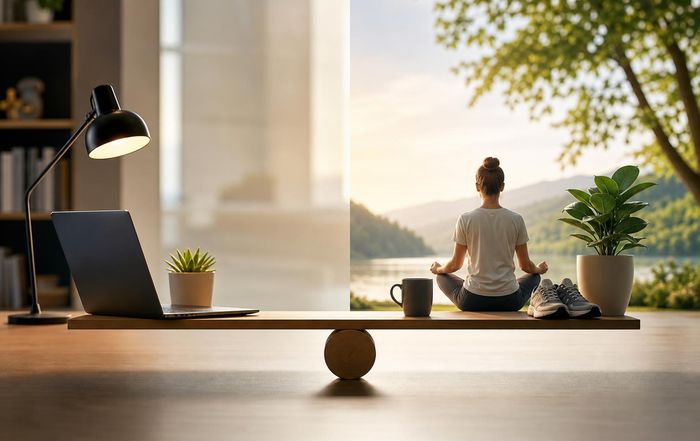
Why Flexible Routines Improve Work-Life Balance
In a world where work, home, and digital life now blend more than ever, the idea of a rigid daily schedule is steadily giving way to something more adaptive: flexible routines. Rather than prescribing the same pattern every day, flexible routines provide a structured but adjustable framework that can bend with changing demands at work, at home, and in society. For readers of WorldsDoor, who often navigate global careers, cross-cultural experiences, travel, and evolving lifestyles, understanding how flexible routines operate-and why they matter-has become essential to building a sustainable and fulfilling life in 2026.
From Clocking In to Logging On: How Work Patterns Have Changed
The shift from traditional office hours to more fluid work arrangements has been developing for years, but it accelerated sharply with the widespread adoption of remote and hybrid work models. Organizations across the United States, Europe, and Asia have re-evaluated how, where, and when work is done, influenced by technological advances, changing worker expectations, and lessons learned during the COVID-19 pandemic.
Research from the International Labour Organization has documented the growth of telework and hybrid models across regions, noting both the benefits and the risks of blurred boundaries between work and personal time. Similarly, reports from OECD highlight that while flexible work arrangements can support higher productivity and better well-being, they require intentional management to avoid overwork and burnout. In many industries, especially in knowledge work, flexibility is no longer a perk but a core feature of competitive employment.
Readers who explore the world through WorldsDoor Travel will recognize how this shift has enabled new forms of mobility, from digital nomadism to "workations," where professionals combine work with extended stays in cities like Lisbon, Bangkok, Berlin, or Melbourne. Yet the freedom to work from anywhere has also created a new challenge: without a commute or clear boundaries, work can quietly expand to fill every waking hour unless individuals adopt flexible, but deliberate, routines.
What Makes a Routine "Flexible"?
A routine is often imagined as a strict, unchanging schedule: wake at 6:00, commute at 7:30, desk by 9:00, gym at 18:00, repeat. Flexible routines, by contrast, retain the benefits of structure while allowing meaningful variation based on energy levels, priorities, and external demands. They are anchored by recurring habits-such as focused work blocks, movement, meals, and rest-but they can be rearranged within reasonable limits.
For instance, a professional in London or Toronto might maintain a morning ritual that includes hydration, a short walk, and 30 minutes of deep work, but the exact timing could shift between 7:00 and 9:00 depending on meetings across time zones. A parent in Stockholm or Singapore might hold firm to an evening family hour while varying the rest of the day to accommodate changing project deadlines. The key element is intentional adaptability rather than reactive chaos.
Psychological research supports this approach. Studies summarized by the American Psychological Association suggest that routines can reduce stress and enhance cognitive performance by reducing decision fatigue, while flexibility supports autonomy and a sense of control. When people feel they can adjust their patterns to meet both personal and professional needs, they are more likely to sustain healthy behaviors over time.
The Science of Flexibility, Autonomy, and Well-Being
Work-life balance is not simply a matter of hours worked; it is deeply shaped by perceived control over one's time and the alignment between work demands and personal values. A growing body of evidence from organizations such as the World Health Organization and academic journals in occupational health indicates that long working hours and constant connectivity are associated with increased risk of burnout, cardiovascular issues, and mental health challenges. However, these risks are moderated when workers have greater autonomy in scheduling and can integrate restorative activities into their day.
The Chartered Institute of Personnel and Development (CIPD) in the United Kingdom has reported that flexible working arrangements, when well designed, are linked to higher job satisfaction, lower absenteeism, and improved retention. Similar findings appear in research summarized by Harvard Business Review, which notes that giving employees more say in when and how they work can lead to better engagement and performance, provided expectations are clear and workloads are manageable.
Flexible routines are one of the practical mechanisms through which this autonomy becomes real. Rather than relying on ad-hoc decisions throughout the day, individuals can design a default pattern that includes protected time for focused work, movement, social connection, and rest, while reserving the right to swap, shorten, or extend elements as life demands. This combination of predictability and freedom supports both psychological safety and personal agency.
For readers of WorldsDoor Health, the connection between flexible routines and well-being is particularly relevant. Regular sleep, consistent physical activity, and mindful breaks are easier to maintain when routines can adapt to travel, caregiving, or shifting workloads without being abandoned altogether.
Global Perspectives: Culture, Policy, and Work-Life Balance
The experience of flexibility is shaped not only by individual choices but also by cultural norms and public policy. Countries such as Sweden, Norway, Denmark, and the Netherlands have long been recognized for policies that support work-life balance, including generous parental leave and protections for part-time work. The European Foundation for the Improvement of Living and Working Conditions has documented how flexible scheduling, combined with social safety nets, contributes to higher life satisfaction and better gender equality outcomes.
In contrast, workers in some regions of East Asia, including parts of Japan and South Korea, have historically faced longer working hours and stronger expectations of constant availability. Governments and companies in these countries have begun to introduce reforms, such as campaigns against overwork and pilot programs for flexible hours, but cultural change remains gradual. Reports from OECD Better Life Index illustrate how differences in national norms influence the amount of time people have for leisure, family, and self-care.
For global professionals who move between countries, as many WorldsDoor readers do, flexible routines offer a portable strategy for maintaining balance despite varying local expectations. A consultant flying between New York, London, and Frankfurt can maintain a core set of habits-such as a wind-down ritual before sleep, a consistent approach to meal timing, and a weekly digital detox period-while adapting the specifics to each time zone and cultural context. This flexibility supports both physical resilience and cultural sensitivity.
Those interested in cultural perspectives on work, leisure, and identity can explore further through WorldsDoor Culture, where stories of different societies' approaches to time and balance provide inspiration for crafting personal routines that feel globally informed yet individually authentic.
Technology as Enabler and Disruptor of Flexible Routines
Digital tools have made flexible work possible on an unprecedented scale, but they have also introduced new pressures. Collaboration platforms, instant messaging, and video conferencing allow teams across continents to coordinate in real time, enabling remote and hybrid work across Canada, Australia, Singapore, and beyond. At the same time, the expectation of instant response can erode boundaries and fragment attention.
Organizations such as Microsoft and Slack Technologies have published analyses of workplace data showing that digital collaboration has increased significantly in recent years, with more meetings, more messages, and more after-hours communication in many sectors. While these tools can support flexibility-allowing a parent in Paris to attend a midday school event and catch up later-they can also create a sense of being "always on" unless individuals and teams establish norms around availability.
Flexible routines help navigate this tension by integrating intentional "offline" periods, focus blocks, and communication windows into the day. Some teams adopt shared norms, such as no-meeting mornings, asynchronous updates, or clear "quiet hours," which can be supported by features like status indicators and scheduled messages. Organizations that take digital well-being seriously, as discussed in resources from World Economic Forum, increasingly encourage employees to design their days in ways that balance responsiveness with deep work and rest.
For readers exploring emerging tools and trends through WorldsDoor Technology, the next frontier lies in using technology not to fill every moment, but to protect and enhance human rhythms. Wearables, focus apps, and AI-assisted scheduling can all support flexible routines when they are used thoughtfully, aligned with personal values rather than driven solely by external demands.
Health, Lifestyle, and the Power of Rhythms
From a health perspective, the human body thrives on rhythms, yet those rhythms do not need to be perfectly rigid to be effective. Chronobiology research, summarized by organizations such as the National Institutes of Health and NHS, shows that relatively consistent sleep and wake times support better cognitive performance, mood, and metabolic health. At the same time, occasional variations-such as adjusting sleep by an hour for social events or travel-do not necessarily cause harm when they are managed thoughtfully.
Flexible routines allow individuals to prioritize core health behaviors while acknowledging real-world variability. A professional in Berlin or Madrid who aims for seven to eight hours of sleep most nights can still accommodate a late-evening cultural event or an early international call, provided they adjust other elements of their routine, such as napping, caffeine intake, or the timing of intense cognitive tasks. Similarly, a flexible approach to movement-choosing between a morning run, a midday walk, or an evening yoga session depending on the day's shape-can make physical activity more sustainable over the long term.
Nutrition also benefits from flexible structure. Guidance from organizations like the World Health Organization - Nutrition emphasizes overall patterns rather than perfection at every meal. A routine that includes regular, balanced meals can be adapted to local cuisines when traveling through Italy, Thailand, or Brazil, allowing individuals to enjoy cultural food experiences without abandoning their health priorities. Readers seeking inspiration for integrating local flavors into a balanced lifestyle can explore WorldsDoor Food for stories and ideas from around the globe.
On a broader level, flexible routines support a lifestyle that is both disciplined and joyful. For many, this means intentionally carving out time for hobbies, nature, and relationships, even when work is demanding. The ability to shift a work block to the early morning or late evening in order to catch a sunset hike in Vancouver, a museum visit in Amsterdam, or a family lunch in Cape Town can make the difference between a life that feels narrowed by work and one that feels enriched by it. WorldsDoor Lifestyle frequently highlights such stories of people who use flexible routines to weave adventure, creativity, and rest into their everyday lives.
Environment, Sustainability, and the Rhythm of Place
Flexible routines also intersect with environmental and sustainability goals in subtle but meaningful ways. Remote and hybrid work can reduce commuting emissions, as documented by analyses from organizations like the International Energy Agency, though the net impact depends on factors such as home energy use and travel patterns. When individuals have greater control over their schedules, they may also be more able to choose lower-carbon options, such as cycling during daylight hours, shopping at local markets, or aligning errands to reduce unnecessary trips.
Routines that respect natural light and local climate can support both personal well-being and environmental awareness. For instance, structuring work to allow a midday break during the hottest hours in regions like southern Spain or parts of Australia can reduce reliance on air conditioning while honoring traditional siesta-style rhythms. Similarly, aligning outdoor time with daylight in northern countries like Finland or Norway can help mitigate seasonal mood changes and foster a deeper connection to the environment.
Readers interested in the intersection of daily life and sustainability can learn more about sustainable business practices and personal choices through WorldsDoor Sustainable and WorldsDoor Environment, where stories from diverse regions illustrate how flexible routines can support both human flourishing and planetary health.
Innovation, Business, and the Future of Work-Life Design
From a business perspective, flexible routines are part of a broader rethinking of how organizations structure work. Companies across sectors in the United States, United Kingdom, Germany, and beyond are experimenting with four-day workweeks, results-only work environments, and more nuanced hybrid models. Pilot programs documented by organizations such as 4 Day Week Global suggest that when work is redesigned around outcomes rather than hours, employees often report improved well-being without loss of productivity, although results vary by industry and implementation.
Innovation in this area is not limited to scheduling; it extends to leadership, culture, and performance management. Resources from the Society for Human Resource Management (SHRM) describe how forward-thinking organizations are training managers to support flexible work, measure results more effectively, and model healthy boundaries themselves. In such environments, flexible routines are not a private coping mechanism but an openly supported practice.
For entrepreneurs and creative professionals, flexible routines can be a strategic advantage. They allow for deep focus when inspiration strikes, rest when energy dips, and cross-pollination of ideas through travel, learning, and diverse social networks. Readers exploring the future of entrepreneurship, innovation, and ethical leadership can find more insights at WorldsDoor Innovation and WorldsDoor Business, where stories of founders and leaders demonstrate how thoughtfully designed routines can underpin both performance and integrity.
Ethics, Society, and Fair Access to Flexibility
While flexible routines offer many benefits, it is important to recognize that not all workers have equal access to flexibility. Frontline roles in healthcare, manufacturing, hospitality, logistics, and many service sectors often require fixed shifts or physical presence. Ethical discussions around work-life balance must therefore address both individual strategies and systemic fairness.
Organizations such as the International Labour Organization and UN Women highlight that flexibility, when unevenly distributed, can exacerbate inequalities, especially for lower-income workers and caregivers. At the same time, creative approaches-such as shift swapping, predictable scheduling, and partial remote options for administrative tasks-can extend some forms of flexibility to a wider range of roles.
Societal norms also play a role. In some cultures, long hours are equated with dedication, making it challenging for individuals to adopt flexible routines without fear of judgment. In others, there is growing recognition that sustainable performance requires rest and diversity of experience. Discussions on WorldsDoor Society and WorldsDoor Ethics often explore how communities and organizations can foster environments where balance is respected, and where flexibility is not reserved only for the most privileged.
For readers across continents-from North America and Europe to Asia, Africa, and South America-the ethical dimension of flexible routines invites reflection on how personal choices intersect with collective responsibility. Advocating for policies that support reasonable working hours, access to childcare, and mental health resources can help ensure that the benefits of flexibility are more widely shared.
Crafting a Personal Flexible Routine: Principles, Not Prescriptions
Because lives and contexts differ so widely, there is no single template for a flexible routine that fits everyone. However, several principles emerge from the research and global experiences discussed above.
First, anchoring the day with a small number of non-negotiable habits-such as a consistent sleep window, a daily movement practice, or a short reflection period-provides stability amid change. Second, grouping similar tasks into blocks and dedicating certain times to deep work, communication, or rest reduces fragmentation and supports focus. Third, intentionally planning variation-such as lighter days after heavy ones, or creative afternoons following analytical mornings-allows the routine to breathe rather than become rigid.
Fourth, aligning routines with personal values and life stage ensures that flexibility serves what matters most, whether that is caregiving, creative exploration, community engagement, or global travel. Finally, revisiting and adjusting routines periodically, especially after major life transitions or changes in work arrangements, keeps them relevant and supportive.
Readers seeking further guidance on designing routines that integrate health, travel, culture, and purpose can find inspiration across WorldsDoor, where stories from different regions and professions illustrate how flexible routines are being lived out in practice.
A Door to a More Balanced World
As 2026 continues to unfold, the conversation about work-life balance is shifting from a narrow focus on time management toward a richer exploration of how people structure their days, weeks, and seasons. Flexible routines offer a promising path forward, blending the psychological comfort of structure with the freedom to adapt to changing realities. They support health by honoring human rhythms, enhance performance by enabling deep focus and recovery, and enrich life by making space for travel, culture, relationships, and personal growth.
For the WorldsDoor community, which spans continents and interests-from exploring new cities and cuisines to advancing careers and caring for families-flexible routines can act as a personal compass. They guide individuals through the complexity of modern life, helping them navigate shifting work patterns, technological change, and global interconnectedness without losing sight of what truly matters.
By approaching routines not as rigid scripts but as living frameworks, people can open a door to a more balanced, resilient, and inspired way of living-one that honors both the demands of the world and the quiet, vital needs of the self.