

Opening the Digital Door: How Technology Is Transforming Access to Public Services
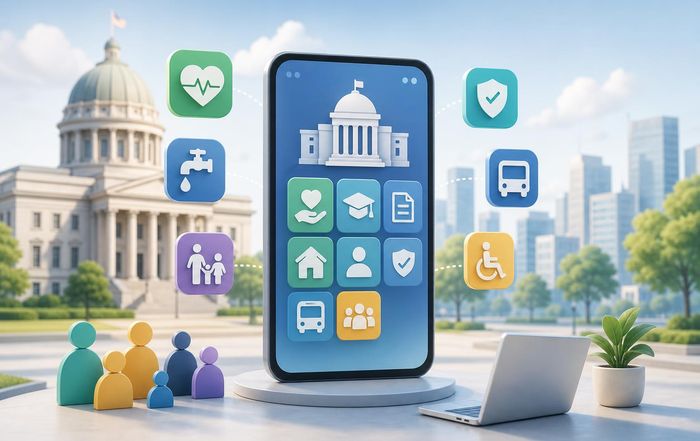
In an era when a smartphone can book a medical appointment, renew a passport, and apply for social benefits, access to public services is being fundamentally reimagined. Around the world, governments, cities, and civil society organizations are investing in digital tools that aim to make essential services more inclusive, efficient, and transparent. For wanderers and travellers and great thinkers coming here each and every day, who are curious about how travel, culture, health, lifestyle, technology, and sustainability intersect, this global shift is more than a technical story; it is a human story about how societies are reorganizing themselves for a digital age.
As of 2026, digital public services sit at the crossroads of daily life. From Estonia's pioneering e-government to mobile health platforms in Kenya, and from online tax portals in the United States to digital identity schemes in India, a new ecosystem is taking shape that can either widen opportunity or deepen inequality, depending on how it is designed and governed. The most inspiring developments show that when technology is used thoughtfully-anchored in human rights, accessibility, and trust-it can become a powerful force for social inclusion and sustainable development.
This article explores how digital tools are improving access to public services across key domains such as travel, health, culture, environment, and social protection, while highlighting the ethical and practical challenges that must be addressed to ensure no one is left behind. Along the way, it considers how platforms like WorldsDoor can help individuals navigate this evolving landscape and make more informed, empowered choices about their lives and communities.
The Rise of Digital Government: From Portals to Platforms
Over the past decade, governments have moved from static informational websites to interactive portals and, increasingly, to integrated digital platforms that bring multiple services together. According to the United Nations E-Government Survey published by the UN Department of Economic and Social Affairs (learn more about global e-government trends), countries such as Denmark, South Korea, Finland, and Australia consistently rank among the leaders in online service delivery, digital participation, and open government data. These nations have invested heavily in secure digital identity systems, shared infrastructure, and user-centric design, allowing residents to complete a vast range of tasks-from registering a business to updating an address-without visiting a government office.
One of the most widely cited examples is Estonia's national e-ID and X-Road data exchange platform, which underpins services across sectors and enables secure data sharing between public and private entities. The Government of Estonia reports that most public services are available online, and voting in national elections can be done over the internet, though experts continue to debate the long-term security implications of internet voting and emphasize the need for rigorous safeguards. Those interested in understanding how such a small country became a digital governance pioneer can explore resources from e-Estonia (discover Estonia's digital journey).
In larger economies, the approach has often been more incremental. The United Kingdom's GOV.UK platform consolidates hundreds of separate departmental websites into a single, user-focused interface, while the United States has invested in initiatives such as USA.gov and the U.S. Digital Service to improve usability and reliability of federal services, from immigration forms to veterans' benefits. Studies by organizations like the OECD (read about digital government strategies) show that countries with coherent digital strategies and strong coordination across agencies tend to achieve better outcomes in terms of service quality, user satisfaction, and cost efficiency.
For the global audience of WorldsDoor, these developments matter not only in their home countries but also when traveling or relocating abroad. Digital visa applications, online customs forms, and electronic travel authorizations simplify cross-border movement, while standardized digital identity frameworks, such as the emerging European Digital Identity Wallet, promise to make it easier for individuals to access public and private services across borders within Europe. As digital government matures, it is increasingly shaping how people experience the world, from planning a journey to settling into a new culture, a theme that resonates strongly with the insights shared on the WorldsDoor travel page (explore travel and mobility stories).
Digital Identity: The New Passport to Public Services
At the heart of many digital public services lies a simple question: How can a system be sure that a person is who they claim to be? Digital identity solutions attempt to answer this question by providing secure, verifiable credentials that can be used online and, increasingly, offline.
India's Aadhaar program, administered by the Unique Identification Authority of India (UIDAI), is one of the largest digital ID systems in the world, assigning a unique biometric-based number to over a billion residents. Aadhaar has been used to streamline subsidy payments, reduce duplicate records, and support financial inclusion through initiatives such as Jan Dhan bank accounts. Independent analyses, including research by the World Bank and academic institutions, suggest that digital ID systems can improve the targeting and delivery of social benefits, but they also highlight serious concerns about privacy, surveillance, and exclusion when enrollment or authentication fails. Readers interested in the broader development perspective can consult the World Bank's ID4D initiative (understand digital ID and development).
In Europe, the European Commission is working with member states on a framework for a European Digital Identity that would allow citizens and residents to store and share official credentials, such as driving licenses and educational qualifications, via secure digital wallets. The goal is to facilitate seamless access to public and private services across the union, with strong data protection measures grounded in the General Data Protection Regulation (GDPR). The European Commission's official portal provides updates on these initiatives (learn about the European Digital Identity framework).
In Africa, countries like Nigeria and Kenya are expanding national ID programs with digital components, while regional bodies explore interoperability to support trade, mobility, and financial inclusion. Organizations such as ID4Africa and research centers like Carnegie Endowment for International Peace emphasize that digital identity must be built on principles of inclusion, minimal data collection, and robust governance frameworks to avoid exacerbating inequality or enabling misuse.
For individuals navigating life transitions-whether moving to a new city, changing jobs, or studying abroad-digital identity increasingly acts as a gateway to everything from healthcare and voting to education and social protections. On WorldsDoor's society section (explore how identity shapes society), these shifts connect deeply with questions of belonging, citizenship, and rights in a digital-first world.
Health in the Digital Era: Telemedicine, Portals, and Public Health Intelligence
Digital tools have had a particularly visible impact on public health services, a trend accelerated by the COVID-19 pandemic and sustained in the years since. Telemedicine platforms, electronic health records, and digital vaccination certificates have become mainstream in many countries, reshaping how patients interact with healthcare systems.
In Canada, provincial health systems have expanded virtual care options, allowing residents to consult physicians via video or secure messaging, particularly in remote and rural communities where access to in-person care is limited. In the United States, telehealth utilization surged during the pandemic and, according to reports by the U.S. Department of Health & Human Services and Kaiser Family Foundation, remains significantly higher than pre-2020 levels, especially in mental health services. Similar patterns can be observed in Australia, Germany, and the United Kingdom, where national health services and private providers have integrated telehealth into standard care pathways.
The World Health Organization (WHO) has articulated a global strategy on digital health, emphasizing interoperability, equity, and ethical use of data, and many governments are aligning their national strategies with these principles (explore WHO's digital health resources). Electronic health record systems, when implemented well, allow authorized clinicians to access a patient's medical history quickly, reducing errors and improving continuity of care. However, experiences vary widely; some systems have faced criticism for usability issues, data breaches, or interoperability gaps, underscoring that technology alone is not enough without thoughtful design and governance.
Public health agencies also use digital tools for disease surveillance, outbreak detection, and health promotion. Platforms that analyze anonymized mobility data, search queries, and clinical reports can provide early signals of emerging health threats, although experts caution that such systems must be carefully validated and accompanied by strong privacy protections. At the individual level, health portals and mobile apps allow people to view test results, schedule appointments, and access educational resources, empowering them to participate more actively in their care.
For readers of WorldsDoor, who often approach health as part of a broader lifestyle and travel narrative, these shifts open new possibilities. Travelers can access their vaccination records digitally, expatriates can manage chronic conditions across borders, and communities can collaborate online to share wellness practices. The WorldsDoor health section regularly explores such intersections between digital innovation, well-being, and everyday life (discover more health and well-being insights).
Digital Tools for Travel and Mobility: Crossing Borders with Fewer Barriers
Travelers increasingly experience public services through screens as much as through physical checkpoints. Electronic visas, online customs declarations, digital passenger forms, and smart border systems have become standard in many regions, simplifying processes while raising new questions about data use and algorithmic decision-making.
Countries including New Zealand, Canada, Australia, and the United States operate electronic travel authorization systems that allow pre-screening of visitors before they arrive. The European Union is rolling out the European Travel Information and Authorisation System (ETIAS) for visa-exempt travelers, aiming to enhance security while maintaining ease of travel within the Schengen Area. Official government portals, such as Travel.State.Gov in the US or the European Commission's travel pages, provide up-to-date information on these systems and related requirements, and travelers are advised to rely on such sources rather than third-party intermediaries whenever possible.
Airports and transportation hubs are also adopting digital tools to manage passenger flows and improve accessibility. Biometric boarding, mobile boarding passes, and real-time information apps can reduce queues and enhance the travel experience, though civil liberties organizations continue to scrutinize facial recognition deployments for potential bias and overreach. Urban public transport systems in cities like London, Singapore, and Seoul offer integrated payment apps and journey planners that make navigating complex networks more intuitive, especially for visitors.
From the perspective of WorldsDoor, these tools are part of a broader cultural and experiential shift. Travel is no longer just about physical movement; it is also about navigating digital infrastructures that shape where people can go, how easily they can move, and what kind of welcome they receive. On the WorldsDoor travel and culture pages (explore travel and discover cultural perspectives), stories increasingly reflect how digital public services influence the texture of journeys, from seamless border crossings to digital nomad visas that blend work, lifestyle, and local integration.
Culture, Libraries, and Learning: Public Services in the Cloud
Public services are not limited to bureaucratic functions; they also include cultural and educational institutions that nurture shared identity and knowledge. Digital tools have dramatically expanded access to libraries, museums, archives, and learning resources, particularly for people who cannot easily visit physical locations.
National and local libraries in Europe, North America, and beyond now offer extensive digital collections, including e-books, audiobooks, academic journals, and digitized historical materials. Platforms such as Europeana, supported by the European Union, aggregate cultural heritage content from thousands of institutions across Europe, making art, manuscripts, and artifacts accessible to anyone with an internet connection (visit Europeana's digital collections). Similarly, major museums like the Louvre, British Museum, and Smithsonian Institution provide virtual tours and high-resolution images of their collections, enabling learners worldwide to explore cultural treasures without leaving home.
In education, public universities and ministries of education have expanded online course offerings, digital classrooms, and open educational resources. Initiatives like UNESCO's efforts on open educational resources and national digital learning platforms in countries such as France, India, and South Korea aim to reduce barriers to quality education, though access still depends heavily on connectivity and devices. The UNESCO website offers in-depth information on how digital technologies are reshaping schooling and lifelong learning (learn more about digital education initiatives).
These developments align closely with the interests of the WorldsDoor community, which often seeks meaningful cultural and educational experiences rather than superficial consumption. By curating stories about digital access to culture, language learning, and global classrooms, WorldsDoor's often cited education section (explore education and learning) can help readers discover opportunities that might otherwise remain hidden, from virtual lectures at leading universities to digital archives of indigenous knowledge.
Sustainability and the Environment: Smart Services for a Greener Future
Digital public services are also playing a growing role in environmental protection and sustainable urban management. Cities across Europe, Asia, and the Americas are deploying smart sensors, open data platforms, and digital participation tools to monitor air quality, manage energy use, and involve citizens in climate action.
For example, many municipalities publish real-time air quality data and environmental indicators through open data portals, enabling residents, researchers, and startups to build apps and services that promote healthier lifestyles and inform policy debates. Organizations like the European Environment Agency and U.S. Environmental Protection Agency maintain accessible online dashboards that track emissions, water quality, and other environmental metrics (explore environmental data and indicators). In some cities, digital platforms support participatory budgeting, allowing residents to propose and vote on green projects, from community gardens to bike lanes.
Energy regulators and utilities in countries such as Germany, Denmark, and Japan are adopting digital tools for grid management, demand response, and integration of renewable energy sources. Smart meters and online portals give households and businesses detailed insights into their energy consumption, encouraging more efficient use and enabling new business models such as community solar or peer-to-peer energy trading, where regulations permit. While these technologies have clear potential, experts stress that privacy, cybersecurity, and equitable access to benefits must be carefully managed.
For readers interested in the intersection of environment, lifestyle, and innovation, digital public services are becoming a crucial part of the story of sustainable living. The WorldsDoor globally cooperative environment and sustainable living sections (explore environmental stories and learn more about sustainable lifestyles) can highlight how citizens in different countries use digital tools to reduce their ecological footprint, participate in climate policy, and support local ecosystems.
Inclusion, Accessibility, and the Digital Divide
While the promise of digital public services is substantial, it is not evenly distributed. The International Telecommunication Union (ITU) and World Bank report that hundreds of millions of people worldwide still lack reliable internet access, and many more face barriers related to affordability, digital skills, disability, language, or trust in institutions. In rural areas of Africa, South Asia, and parts of Latin America, connectivity gaps can make online services inaccessible, while in some high-income countries, older adults or low-income communities may struggle with digital literacy or device access.
Organizations such as the World Bank, UNDP, and numerous civil society groups emphasize that digital transformation must be inclusive by design. This includes investing in broadband infrastructure, offering public access points such as community centers and libraries, designing services that work on low-end devices and slow connections, and providing multilingual, accessible interfaces that comply with standards like the Web Content Accessibility Guidelines (WCAG). Some governments have introduced "assisted digital" services, where trained staff help individuals complete online processes in person or via phone, ensuring that offline and online channels complement rather than replace each other.
There is also growing recognition of the importance of trust and ethics. Data breaches, algorithmic bias, and opaque decision-making can erode public confidence in digital services. Independent watchdogs, data protection authorities, and ethical frameworks, such as those promoted by the OECD and Council of Europe, play a vital role in establishing safeguards and accountability mechanisms. For a platform like WorldsDoor, which values ethical reflection and global citizenship, these issues are central to how digital transformation is framed and discussed. The WorldsDoor positive thinking ethics page offers space to explore the moral dimensions of digital governance and the responsibilities of both institutions and individuals (reflect on ethics in a digital world).
Innovation, Public-Private Collaboration, and the Future of Digital Services
The evolution of digital public services is not driven by governments alone. Technology companies, startups, universities, and non-profit organizations all contribute tools, ideas, and expertise. In many countries, "govtech" ecosystems have emerged, where small and medium-sized enterprises develop specialized solutions for identity verification, payment processing, case management, and citizen engagement. Reports by organizations like the World Economic Forum and McKinsey Global Institute describe how these collaborations can accelerate innovation, provided that procurement rules, interoperability standards, and open data policies are well designed (explore insights on digital transformation of government).
Emerging technologies such as artificial intelligence, blockchain, and advanced data analytics are being piloted in areas ranging from welfare fraud detection to land registries and supply chain transparency. While some pilots have demonstrated efficiency gains, others have raised concerns about fairness, explainability, and human oversight, prompting calls for robust regulatory frameworks. The European Union's AI Act, for example, seeks to classify and regulate high-risk AI systems, including certain applications in public services, to ensure they meet stringent requirements for transparency and fundamental rights protection.
Looking ahead, many experts foresee a shift from siloed digital services to more integrated "life event" journeys, where systems are organized around key moments such as birth, starting school, starting a business, or retirement. This approach aims to reduce the burden on users by coordinating data and processes behind the scenes, while maintaining strong safeguards and user control. Cross-border interoperability, digital wallets, and standardized data formats are likely to play a growing role in this evolution.
For WorldsDoor, which is dedicated to helping people understand and navigate a rapidly changing world, these trends offer rich material for storytelling and analysis. The WorldsDoor innovation and business inspiring sections (explore innovation stories and learn more about digital business ecosystems) can highlight how entrepreneurs, public servants, and community leaders in different countries are experimenting with new models of service delivery that combine technological sophistication with human empathy.
A Shared Journey Through the Digital Door
As 2026 unfolds, digital tools are increasingly the doorway through which individuals encounter their governments, access essential services, and participate in collective life. This transformation is not merely technical; it is cultural, social, and ethical. It touches the traveler applying for an e-visa from a café in Bangkok, the student in Berlin accessing open lectures from universities around the world, the farmer in Kenya receiving agricultural advice via mobile phone, and the elder in Canada consulting a doctor through a video call.
The most encouraging developments show that when digital public services are built on principles of inclusion, transparency, and user-centered design, they can expand opportunity and strengthen trust. Yet the challenges are real: bridging digital divides, protecting privacy, ensuring accountability, and avoiding new forms of exclusion require sustained effort and vigilance.
For readers of WorldsDoor, the invitation is to see digital public services not as distant bureaucratic systems, but as living infrastructures that shape everyday experiences of travel, culture, health, environment, and community. By staying informed, asking critical questions, and sharing stories across borders, individuals can help steer this transformation toward a future where technology truly opens doors-for everyone. Those who wish to continue exploring these themes can find interconnected perspectives across WorldsDoor's lifestyle and world passionately, edited sections, where personal journeys and global trends meet in a shared search for understanding and possibility (discover lifestyle narratives and explore world perspectives).