

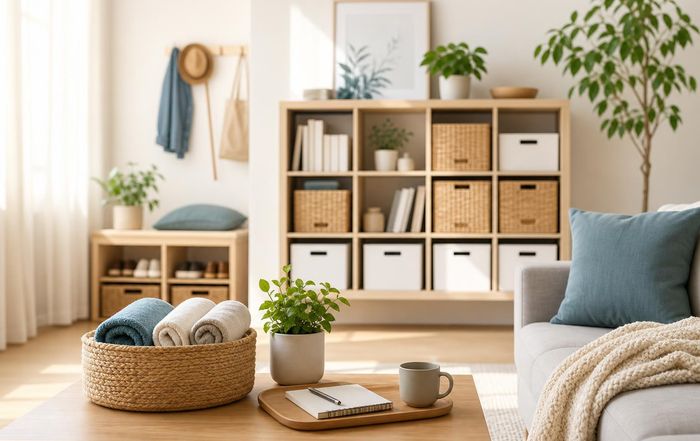
Home Organization Habits That Reduce Daily Stress
Creating a calm, organized home has become a quiet form of self-care, a way of reclaiming mental space in a world that often feels relentlessly fast. By 2026, psychologists, medical researchers and design experts increasingly converge on a simple insight: the way a home is arranged subtly but consistently shapes how a person feels, thinks and behaves throughout the day. For readers of WorldsDoor, who look outward to explore travel, culture and innovation yet also care deeply about the quality of everyday life, home organization is not merely about neatness; it is about crafting an environment that supports health, clarity and joy.
This article explores practical, evidence-informed habits that reduce daily stress through better organization, while also reflecting global perspectives and the diverse lifestyles of readers across North America, Europe, Asia, Africa and beyond. It connects the science of clutter and cognition with culturally rich approaches to living spaces, and highlights how small, consistent changes can transform the emotional climate of a home.
Why Clutter Feels So Overwhelming
Research in environmental psychology has increasingly confirmed what many people intuitively sense when they walk into a messy room: clutter competes for attention, overloads working memory and subtly elevates stress hormones. Studies from institutions such as UCLA's Center on Everyday Lives of Families have documented how visual chaos in the home is associated with higher levels of self-reported stress, especially among parents managing work and childcare. Similarly, research published through sources like the National Institutes of Health suggests that disorganized environments can reduce the brain's capacity to process information efficiently, leading to mental fatigue and irritability over time.
The effect is not purely aesthetic. When surfaces are buried under miscellaneous items, when people regularly misplace keys or important documents, or when wardrobes overflow with clothes that no longer fit or match their lives, the brain works harder simply to navigate the day. This low-grade cognitive burden is often invisible yet accumulates, particularly in cities such as London, New York, Tokyo or Singapore where living spaces are compact and schedules are full. For many readers, learning to systematically reduce this burden at home can be as impactful as adopting a new fitness routine or mindfulness practice, complementing the health insights found on WorldsDoor's health pages.
The Psychology of "Just Enough": Intentional Possessions
Organizing a home to reduce stress does not require embracing extreme minimalism, nor does it mean discarding items with emotional value. Instead, experts often emphasize intentionality: owning "just enough" of what genuinely serves daily life and personal meaning. Concepts popularized in Japanese and Scandinavian design - such as "ma," the purposeful use of empty space, or "lagom," the Swedish idea of "just the right amount" - have influenced home organization philosophies across the United States, Europe and Asia.
Contemporary organizers and psychologists, including those cited by organizations like the American Psychological Association, note that people experience greater satisfaction when their surroundings reflect their current priorities rather than their past identities or hypothetical future selves. A closet filled with clothes that no longer fit, for example, can function as a daily reminder of guilt or unfinished goals, while a smaller wardrobe curated around present-day needs tends to support self-acceptance and ease. Readers interested in broader lifestyle trends that intersect with this idea can explore more on WorldsDoor's lifestyle section.
Intentional possession does not erase cultural richness; in fact, it can highlight it. In homes across Italy, India or Brazil, carefully chosen textiles, artworks and family heirlooms stand out more clearly when not crowded by unused items. The goal is not a sterile interior, but a living space where each object has a purpose, a story or a role in daily routines.
Entryway Rituals: Setting the Tone for the Day
The first and last space someone passes through each day has an outsized impact on stress. In apartments in Berlin, condos in Toronto or townhouses in Johannesburg, the entryway often becomes an accidental dumping ground for bags, shoes, mail and deliveries. Over time, this clutter can create a sense of disarray before the day even begins.
Establishing simple, repeatable organizational habits at the door can change that emotional script. A dedicated place for keys, wallets and travel cards, consistent shoe storage and a specific location for incoming mail or parcels help reduce the micro-anxieties of rushing out and wondering what has been forgotten. Research on habit formation, such as work summarized by University College London and other academic institutions, suggests that linking a desired behavior to an existing cue - for example, always placing keys in a small bowl immediately upon entering - makes the habit more automatic and less dependent on willpower.
In many cultures, the entryway also carries symbolic weight. In Japan and South Korea, removing shoes at the door signifies leaving the outside world behind, while in parts of Scandinavia, a simple bench and hooks create a sense of calm functionality. Travelers who have experienced these practices abroad often bring them home, integrating global influences into their own organizational rituals, an approach that aligns well with the perspectives shared on WorldsDoor's travel and culture pages.
The Kitchen as a Stress-Reducing Command Center
The kitchen is one of the most emotionally charged rooms in any home, particularly for families and for individuals who enjoy cooking. When countertops are cluttered and cupboards are disorganized, meal preparation becomes slower, more frustrating and more likely to involve last-minute decisions that can undermine both health and budget goals. Nutrition experts, including those writing for organizations such as the Harvard T.H. Chan School of Public Health, note that people are more inclined to cook balanced meals when ingredients and tools are easy to find and when the space feels welcoming rather than chaotic.
An organized kitchen typically follows a few simple principles. Frequently used tools and ingredients are stored within easy reach of the main preparation area, while rarely used items are placed higher or further away. Clear zones for food prep, cooking, cleaning and storage reduce unnecessary movement and confusion. In smaller apartments in cities like Hong Kong, Amsterdam or São Paulo, vertical storage and multi-use containers can make a significant difference, turning cramped counters into efficient workspaces.
For many households across North America and Europe, weekend routines that include a brief kitchen reset - clearing surfaces, checking pantry staples, planning a few simple meals - have been associated anecdotally with reduced weekday stress. These habits support healthier eating patterns, which in turn contribute to better mood and energy, complementing broader conversations about wellbeing and nutrition such as those featured on WorldsDoor's food and health pages. Readers interested in evidence-based guidance on diet and home cooking can also explore resources from organizations like the World Health Organization and Health Canada.
Bedrooms and Sleep: Organizing for Restoration
Sleep researchers consistently highlight the bedroom as a critical environment for mental health. Institutions such as the National Sleep Foundation and the Mayo Clinic emphasize that a restful sleep space should be dark, quiet and cool, but they also acknowledge the psychological role of order. A bedroom piled with laundry, paperwork or electronic devices can blur the boundary between rest and work, making it harder for the brain to downshift.
Simple organizational habits - such as designating a specific chair or basket for clothes that will be worn again, clearing bedside tables of nonessential items, and limiting visible work materials - can reinforce the bedroom's identity as a sanctuary. In many European and Asian cities where living spaces double as workspaces, this boundary is especially important. Even when a desk must share the bedroom, storing laptops and documents out of sight at night, perhaps in a drawer or cabinet, can reduce the mental association between the bed and unfinished tasks.
Global guidelines on sleep hygiene, including those shared by NHS UK and Sleep Foundation, increasingly recognize environmental cues as part of a broader behavioral toolkit. For readers of WorldsDoor, who may balance demanding careers with active travel and cultural interests, protecting sleep through thoughtful bedroom organization is a powerful investment in long-term resilience.
Digital Decluttering: The Hidden Room in Every Home
By 2026, the concept of home has expanded to include digital spaces: email inboxes, photo libraries, cloud storage and smart-home dashboards. These invisible rooms can become as cluttered as any physical closet, quietly contributing to stress even when the living room appears immaculate. Research on digital overload, such as analyses presented by organizations like Pew Research Center and MIT Technology Review, suggests that constant notifications and unmanaged digital files fragment attention and prolong working hours.
Organizational habits in the digital realm mirror those of physical spaces. Regularly archiving or deleting unneeded emails, organizing documents into clearly labeled folders and setting specific times to check messages rather than responding continuously can create a sense of control. Turning off nonessential notifications on smartphones and tablets, especially in the evening, protects mental rest in the home environment.
For households using smart-home devices, from connected lights to security cameras, thoughtful configuration also matters. Ensuring that apps are consolidated, that privacy settings are reviewed and that only genuinely useful automations are enabled can prevent the feeling of being managed by technology rather than supported by it. Readers interested in how technology intersects with daily life and wellbeing can explore WorldsDoor's technology and innovation sections, as well as external resources from organizations like Electronic Frontier Foundation and Consumer Reports for guidance on digital privacy and device management.
Routines, Not Marathons: The Power of Small Daily Habits
One of the most important shifts in contemporary thinking about home organization is the move away from occasional, exhausting "decluttering marathons" toward gentle, consistent routines. Behavioral scientists, including those whose work is shared through outlets like Stanford University and Behavioral Scientist, emphasize that small, repeatable actions anchored to existing habits are more sustainable than rare, intensive efforts.
Examples include taking five minutes each evening to reset the living room, sorting mail immediately into recycling and action piles, or tidying the kitchen for a few minutes while waiting for water to boil. These micro-habits reduce the accumulation of disorder that otherwise leads to overwhelming weekend clean-ups. They also create a sense of ongoing progress, which can be particularly reassuring during periods of external uncertainty, such as economic fluctuations or global events reported on WorldsDoor's world pages.
In many cultures, daily tidying rituals are woven into family life. In parts of Germany and the Netherlands, for example, a brief evening reset is common, while in some East Asian households, morning routines include quick floor sweeping or organizing shared spaces. These practices reflect a broader understanding that order is not a fixed achievement but a living relationship with one's environment.
Cultural Perspectives: Learning from Global Traditions
Home organization is deeply shaped by cultural values, climate and architecture. For a global audience, drawing inspiration from different traditions can make organizing feel more meaningful and less like an imported trend. Japanese concepts such as "danshari," which emphasizes letting go of excess to focus on what truly matters, resonate with many people facing overstuffed homes in North America or Europe. Scandinavian design, with its emphasis on light, functional furniture and natural materials, offers practical solutions for small apartments in cities from Stockholm to New York.
In Mediterranean countries like Spain and Italy, communal living and multi-generational households often require creative storage solutions and shared routines that keep common areas usable for everyone. In parts of Africa and South Asia, where extended families frequently share space, organization may focus more on flexible layouts, stackable furniture and designated storage for seasonal items. Learning about these diverse approaches, whether through travel or through the cultural insights on WorldsDoor's culture and society pages, can help individuals adapt strategies that suit their own homes rather than chasing a single aesthetic.
International design and architecture organizations, such as the Royal Institute of British Architects and American Institute of Architects, increasingly highlight the importance of designing homes that support mental wellbeing through layout, storage and light. While not everyone can immediately renovate their space, understanding these principles can guide smaller decisions about furniture arrangement, shelving and room usage.
Organization, Health and Stress: What the Science Suggests
The relationship between home organization and health is complex and still being researched, but several patterns have emerged in recent years. Studies referenced by organizations such as the Cleveland Clinic, American Heart Association and public health agencies in Canada and Australia suggest that chronic stress is linked to a range of health issues, including cardiovascular disease, sleep disturbances and weakened immune function. While clutter is rarely the sole cause of stress, it can amplify feelings of being overwhelmed, especially when combined with demanding work, caregiving responsibilities or financial pressures.
On the positive side, people who report feeling in control of their home environment often also report better mood and higher perceived wellbeing. Some research indicates that engaging in manageable, physical tasks like tidying or organizing can have a calming effect, similar in some ways to light exercise or mindful movement, by providing a sense of agency and visible progress. Mental health organizations, including Mental Health Foundation in the UK and Beyond Blue in Australia, occasionally reference home environment as one of many factors that can influence emotional resilience.
It is important to acknowledge that for individuals living with conditions such as depression, chronic pain or attention-related challenges, organizing can feel especially difficult. In these cases, small, compassionate steps - perhaps focusing on a single surface or drawer at a time - and seeking support from family, friends or professionals can be more helpful than striving for perfection. Readers exploring broader mental health topics can find additional context on WorldsDoor's health and education pages, as well as through reputable external sources like World Health Organization and National Institute of Mental Health.
Sustainability and Ethical Choices in Home Organization
As climate awareness continues to grow, especially across Europe, North America and parts of Asia and Africa, many people are rethinking how they organize and reduce possessions in ways that align with environmental values. Simply discarding unwanted items into landfill bins may clear space but can conflict with sustainability goals. Organizations such as the United Nations Environment Programme and Ellen MacArthur Foundation promote circular economy principles that encourage reuse, repair and responsible recycling.
In practice, this means that when people declutter wardrobes, kitchens or storage rooms, they increasingly seek out donation centers, community swap events or resale platforms rather than throwing items away. In cities like Berlin, Vancouver or Melbourne, repair cafés and sharing libraries have become more common, allowing tools, appliances and even toys to be borrowed or fixed instead of replaced. These initiatives not only reduce waste but also build social connections, which can indirectly lower stress by strengthening community ties.
For readers of WorldsDoor, who often care about ethical and sustainable living, integrating these values into home organization can be especially satisfying. Choosing durable storage solutions made from responsibly sourced materials, repairing furniture rather than replacing it and supporting local charities with donated items align with the themes explored on WorldsDoor's environment, sustainable and ethics sections. External resources such as Greenpeace, WWF and national recycling guidelines can offer practical advice tailored to specific countries.
Designing Homes That Support Future-Focused Living
Looking ahead in 2026, many architects, urban planners and technology designers are reimagining homes not only as shelters but as ecosystems that actively support mental health, learning and creativity. Smart storage solutions, modular furniture and adaptable rooms are becoming more prevalent in new developments across the United States, Europe and Asia, reflecting a recognition that people's needs change over time. Families may require flexible spaces that can serve as home offices, study areas or guest rooms, while older adults may prioritize accessibility and ease of maintenance.
Organizations like World Green Building Council highlight how well-designed homes can reduce energy use and environmental impact while also improving comfort and wellbeing through natural light, air quality and thoughtful layout. For renters and homeowners alike, even small changes - such as using light-reflecting colors, maximizing natural light, or arranging furniture to create clear pathways - can make a home feel more spacious and less stressful.
Within this evolving landscape, WorldsDoor serves as a bridge between global innovation and everyday practice, helping readers understand how broader shifts in design, technology and sustainability translate into concrete choices at home. Whether someone is renovating a house in Canada, organizing a studio apartment in Singapore or simply rethinking a single room, the underlying principle remains the same: a well-organized environment can quietly but powerfully support a more focused, joyful and resilient life.
Bringing It Home: A Personal Path to Calm
Ultimately, home organization habits that reduce daily stress are less about achieving a magazine-perfect interior and more about aligning space with values, routines and aspirations. For some, this may mean creating a calm reading corner that invites regular breaks from screens; for others, it might involve establishing a weekly family reset ritual where everyone spends a few minutes restoring order together. Travelers may display meaningful objects from journeys around the world in a curated, intentional way that sparks gratitude rather than clutter, connecting to the spirit of exploration celebrated across WorldsDoor.
In a time when global news, technological change and social challenges can feel overwhelming, the ability to shape one's immediate surroundings becomes a quiet but profound form of empowerment. By embracing evidence-informed habits, learning from diverse cultural traditions and integrating sustainability and ethics into everyday decisions, people can transform their homes into places that consistently lower stress rather than add to it.
For readers who wish to continue exploring how environment, lifestyle and culture intersect, WorldsDoor offers a rich landscape of perspectives across lifestyle, environment, society and innovation. In every corner of the world, from compact city apartments to spacious rural houses, the journey toward a calmer, more organized home begins with a single, intentional choice - and grows, habit by habit, into a daily experience of greater ease.