

The Connected Future of Healthcare: Technology, Trust, and the Human Experience
Healthcare stands at a pivotal moment where digital transformation is no longer an abstract ambition but a lived reality for patients and professionals across the world. From advanced hospitals in the United States, United Kingdom, Germany, and Japan to rapidly growing digital health ecosystems in India, South Africa, Brazil, and Southeast Asia, technology is redefining how care is delivered, experienced, and governed. For readers of World's Door, this transformation is not merely a technological story; it is a human story that touches health, travel, culture, lifestyle, business, ethics, and the wider global society in ways that were difficult to imagine even a decade ago.
The traditional model of care, built around episodic, in-person visits, fragmented records, and reactive treatment, is steadily giving way to a continuous, data-driven, and highly personalized system. Artificial intelligence, robotics, biotechnology, digital platforms, and predictive analytics are converging to form an integrated health fabric that follows individuals across borders and life stages. As technology reshapes global systems, it is also raising fundamental questions about trust, equity, sustainability, and the role of human judgment in a world of algorithmic intelligence. World's Door positions itself at this intersection, translating cutting-edge developments into insight that leaders, professionals, and citizens can use to navigate a rapidly evolving healthcare landscape.
Artificial Intelligence as a Clinical Partner, Not a Replacement
Artificial intelligence has moved from pilot projects to mission-critical infrastructure in hospitals and clinics worldwide. In radiology, cardiology, pathology, and emergency medicine, AI models trained on millions of images and clinical records now support clinicians in detecting early signs of disease with a level of sensitivity and speed that would be impossible for humans alone. Organizations such as Google DeepMind, Siemens Healthineers, and Philips have developed AI solutions that can flag potential strokes, lung cancers, and cardiac anomalies in minutes, often in settings where specialist expertise is scarce. Readers who wish to understand how these tools influence broader innovation trends can explore healthcare-focused innovation narratives that connect research labs to real-world care.
The most significant shift is not simply that algorithms can recognize patterns, but that they are increasingly embedded within clinical workflows. AI-driven decision support systems ingest laboratory results, imaging data, physician notes, and even genomic profiles to suggest likely diagnoses, stratify risk, and recommend evidence-based treatment pathways. In Canada, Singapore, and South Korea, national health systems are experimenting with AI triage tools that guide patients to the right level of care-self-care, teleconsultation, or emergency services-thereby easing pressure on overcrowded facilities and improving response times for critical cases. Institutions such as Mayo Clinic and Cleveland Clinic have invested heavily in AI research and partnerships, positioning themselves as global reference centers for responsible AI deployment.
Yet the rise of AI has amplified concerns about transparency, bias, and accountability. Regulators in the European Union, the United States, and Australia have introduced frameworks that require algorithmic explainability and rigorous validation before clinical use. Initiatives like the EU AI Act and the U.S. FDA's digital health guidance seek to balance innovation with patient safety, ensuring that AI augments human expertise rather than undermines it. Leaders who wish to understand the societal dimension of this shift can learn more about ethical governance in technology-driven systems, where healthcare is increasingly a test case for trustworthy AI.
Telemedicine, Hybrid Care, and the Emergence of Virtual Hospitals
The surge in telemedicine that began during the COVID-19 pandemic has matured into a stable, hybrid care model by 2026. Video consultations, secure messaging, and asynchronous care platforms have become standard components of healthcare in North America, Europe, and parts of Asia-Pacific, while in many regions of Africa and South America, mobile-first telehealth remains the most practical path to medical access. Companies such as Teladoc Health, Amwell, and Doctor Anywhere have broadened their offerings from urgent care to chronic disease management, behavioral health, and even remote specialist consultations, integrating with insurers and employers to create comprehensive virtual care ecosystems.
The concept of a "virtual hospital" has also matured. Systems like Mayo Clinic's Advanced Care at Home and Cleveland Clinic's digital command centers orchestrate remote monitoring, home nursing, logistics, and specialist oversight to deliver hospital-level care in patients' homes. In Germany, the Netherlands, and New Zealand, health services are experimenting with remote wards for post-surgical recovery, using connected devices to track vital signs and AI to detect early signs of deterioration. These models have shown that, when designed well, home-based care can improve patient satisfaction, reduce readmissions, and lower costs.
For travelers, expatriates, and globally mobile professionals, telemedicine is becoming an essential layer of continuity. Cross-border teleconsultations allow patients in Italy or Spain to seek second opinions from specialists in United States centers of excellence, while international insurers increasingly reimburse virtual care as part of standard coverage. The intersection between telehealth and global mobility is particularly relevant for World's Door readers who follow travel and world affairs, as digital care reshapes how people manage health while living, working, or studying abroad.
Robotics, Automation, and the New Precision in Surgery and Rehabilitation
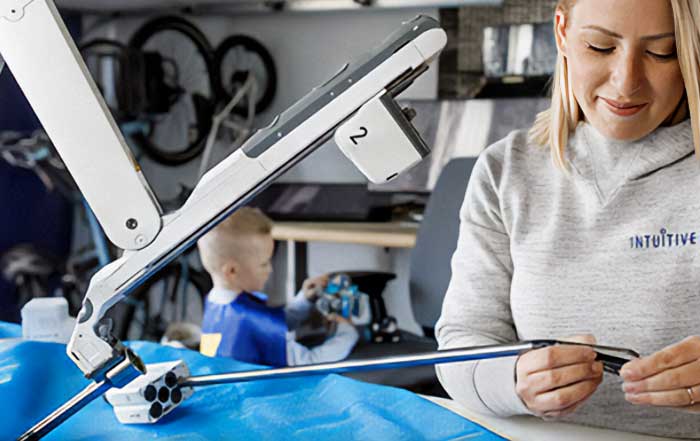
Robotics has become a defining feature of high-complexity care in 2026, especially in surgery and rehabilitation. Robotic-assisted platforms such as Intuitive Surgical's Da Vinci, Medtronic Hugo, and Johnson & Johnson's Ottava enable minimally invasive procedures that reduce blood loss, shorten hospital stays, and minimize complications. Surgeons in France, Switzerland, Japan, and the United States now routinely perform complex urological, gynecological, and cardiac procedures with robotic assistance, supported by high-definition imaging and AI-guided motion control. Training programs increasingly incorporate virtual reality simulators that allow surgeons to rehearse procedures on patient-specific digital twins before entering the operating room.
In rehabilitation, exoskeletons and robotic therapy devices have transformed the prospects for patients recovering from strokes, spinal cord injuries, or orthopedic surgery. Companies such as ReWalk Robotics, Ekso Bionics, and Hocoma provide systems that support early mobilization and intensive, data-driven therapy. These devices collect granular information on gait, muscle activation, and joint movement, enabling therapists to tailor interventions and track progress with unprecedented precision. As health and mobility topics gain prominence among aging populations in Europe, Asia, and North America, robotics is emerging as a critical enabler of independence and quality of life.
The automation of logistics and routine tasks within hospitals is equally transformative, even if less visible to patients. Autonomous robots transport medications, linens, and laboratory samples, while AI-driven scheduling systems optimize operating room utilization and staffing. This reallocation of time and effort allows clinicians and nurses to focus more on direct patient interaction, reinforcing a central theme in modern healthcare: technology should remove friction and administrative burden, not compassion.
Precision Medicine, Genomics, and the Rise of Truly Personalized Care
The promise of precision medicine-treatments tailored to the unique biology of each individual-has moved from theory to practice in many clinical domains. Advances in genomics, proteomics, and bioinformatics, supported by rapidly declining sequencing costs, have enabled clinicians to use genetic information to guide decisions in oncology, cardiology, and rare disease management. Organizations such as Illumina, Regeneron Pharmaceuticals, and 23andMe have contributed to vast genomic databases that help identify disease-associated variants and predict drug responses. Public initiatives like the All of Us Research Program in the United States and national genomics efforts in United Kingdom, France, and China have further expanded the evidence base.
In oncology, molecular tumor boards-multidisciplinary teams that interpret genomic profiles of cancers-are now common in leading centers. Instead of basing treatment solely on the tumor's location, oncologists consider its specific mutations and molecular pathways, allowing the use of targeted therapies and immunotherapies that can dramatically improve outcomes. Liquid biopsies developed by firms such as Grail and Guardant Health detect circulating tumor DNA in blood, enabling earlier diagnosis, monitoring of treatment response, and detection of relapse with minimal invasiveness. Interested readers can learn more about innovation-driven medicine and its implications for longevity and quality of life.
Beyond cancer, pharmacogenomics is increasingly used to determine which medications and dosages are safest and most effective for individual patients, particularly in cardiology, psychiatry, and pain management. Clinical decision support tools integrate genetic data into prescribing workflows, reducing adverse drug reactions and optimizing therapy. The integration of genomics with lifestyle data from wearables and electronic health records is also opening avenues for highly personalized prevention strategies, where risk scores guide nutrition, exercise, and screening recommendations.
Data Interoperability, Electronic Records, and the Global Flow of Health Information
Electronic health records have become the backbone of modern healthcare systems, but the most significant progress since 2020 has come in the realm of interoperability. Health data no longer sits in isolated silos within individual hospitals or clinics; instead, it increasingly flows through standardized networks that allow authorized providers to access relevant information wherever a patient seeks care. Vendors such as Epic Systems, Oracle Health (formerly Cerner), and MEDITECH have been compelled by regulation and market pressure to support open APIs and common data standards like FHIR (Fast Healthcare Interoperability Resources), enabling secure data exchange across organizations and borders.
In Europe, the European Health Data Space initiative aims to create a continent-wide framework for sharing health information, supporting both direct care and research. In Asia-Pacific, countries such as Singapore, Australia, and South Korea have developed national digital health architectures that integrate primary care, hospitals, pharmacies, and public health systems. For globally mobile populations, this means that a patient who begins treatment in Germany and later relocates to Singapore can, in principle, have their medical history, imaging, and laboratory data available to new providers with minimal friction.
The challenge, however, is to balance accessibility with privacy and security. Regulations like GDPR in Europe and HIPAA in the United States impose strict requirements on how data is stored, accessed, and shared. Blockchain-based solutions, championed by companies such as Guardtime and BurstIQ, are being tested as ways to create tamper-evident audit trails and patient-controlled data sharing. For readers interested in how these developments intersect with broader questions of digital identity and governance, societal perspectives on data and power provide a critical lens on the future of health information.
Wearables, Continuous Monitoring, and the Shift to Preventive Lifestyles
Wearable health technology has evolved from step counters and basic fitness trackers into sophisticated medical-grade devices capable of continuous monitoring. Smartwatches and rings from companies like Apple, Samsung, Garmin, and Oura now measure heart rhythm, oxygen saturation, sleep stages, and stress markers, while specialized devices such as continuous glucose monitors from Dexcom and Abbott provide real-time metabolic data for people with diabetes. These devices are increasingly integrated with clinical systems, allowing physicians to review trends and intervene before minor deviations become serious problems.
In United States, United Kingdom, and Nordic countries, insurers and employers are incentivizing the use of wearables as part of wellness programs, offering reduced premiums or rewards for sustained healthy behaviors. This trend aligns with the growing emphasis on lifestyle medicine, where nutrition, exercise, sleep, and mental health are treated as central pillars of care rather than peripheral considerations. Readers who follow lifestyle and wellness content on World's Door will recognize how these technologies are blurring the line between consumer gadgets and clinical tools, making health management a daily, participatory activity.
Importantly, continuous monitoring has also transformed care for vulnerable populations. Remote patient monitoring kits for heart failure, COPD, and hypertension combine blood pressure cuffs, weight scales, pulse oximeters, and AI-powered dashboards that alert clinicians to early signs of deterioration. Programs in Canada, Netherlands, and Japan have shown that such approaches can significantly reduce hospitalizations and improve quality of life for older adults, allowing them to live independently longer. The shift from episodic visits to continuous insight marks a profound reorientation of healthcare toward prevention and early intervention.
Extended Reality, Simulation, and New Modes of Clinical Training and Therapy
Virtual reality (VR), augmented reality (AR), and mixed reality (MR) technologies have moved beyond novelty to become powerful tools in both clinical practice and healthcare education. Platforms such as Osso VR, FundamentalVR, and Medical Realities offer highly realistic surgical simulations that allow residents and experienced surgeons alike to practice procedures in safe, repeatable environments. These systems incorporate haptic feedback and performance analytics, enabling objective assessment of skills and standardized training across institutions and countries.
In the operating room, AR solutions powered by devices like Microsoft HoloLens overlay patient-specific imaging and anatomical data directly onto the surgical field, guiding incisions and instrument placement with millimeter precision. Neurosurgeons in Sweden, orthopedic teams in Italy, and ENT specialists in United Kingdom are among those who have reported shorter procedure times and improved accuracy using such tools. These developments illustrate how technology-driven innovation is redefining both the craft and the science of medicine.
Extended reality is equally transformative in therapy. VR-based pain distraction has become a standard adjunct in burn units and pediatric wards, while virtual reality exposure therapy is used in treating PTSD, phobias, and social anxiety. Mental health providers in Australia, France, and Singapore are integrating VR modules into cognitive behavioral therapy, allowing patients to confront triggers in a controlled, customizable environment. These approaches highlight how digital immersion can be harnessed not to escape reality, but to reframe it in ways that support healing.
Biotechnology, Regenerative Medicine, and the Ethics of Redesigning Life
Biotechnology has continued to advance at a rapid pace, bringing gene editing, cell therapies, and regenerative medicine closer to mainstream practice. The use of CRISPR-Cas9 and next-generation editing tools has led to landmark therapies for conditions such as sickle cell disease and certain inherited forms of blindness, with companies like CRISPR Therapeutics, Editas Medicine, and Vertex Pharmaceuticals at the forefront. Clinical trials in United States, Europe, and China are exploring gene-based interventions for a growing list of rare and common diseases, raising hopes for cures but also concerns about long-term effects and equitable access.
Regenerative medicine, supported by advances in stem cell biology and 3D bioprinting, is opening possibilities for repairing or replacing damaged tissues and organs. Firms such as Organovo and BIOLIFE4D are working on bioengineered tissues for drug testing and, ultimately, transplantation, while academic centers in Japan, Switzerland, and South Korea are testing lab-grown skin, cartilage, and cardiac patches in clinical settings. These breakthroughs could eventually ease the chronic shortage of donor organs and transform outcomes for patients with heart failure, liver disease, and traumatic injuries.
The ethical implications are profound. Questions about germline editing, enhancement versus therapy, and access disparities are prompting intense debate among scientists, ethicists, policymakers, and the public. For readers of World's Door, the intersection of biotechnology, culture, and governance is explored through ethics-focused coverage, which highlights how different societies negotiate the boundaries of what should be done, not just what can be done.
Sustainability, Green Health Infrastructure, and Climate-Resilient Care
Healthcare's environmental footprint has come under increasing scrutiny, as hospitals, pharmaceutical manufacturing, and medical supply chains contribute significantly to global emissions and waste. In response, health systems in Denmark, Sweden, Netherlands, and United Kingdom are pioneering low-carbon, climate-resilient models of care. Facilities like the New Karolinska Hospital in Stockholm and sustainably designed hospitals in Germany and Australia incorporate energy-efficient architecture, renewable power, and advanced waste management to reduce their environmental impact.
Digital health is an important part of this sustainability agenda. Telemedicine and remote monitoring reduce patient travel and associated emissions, while AI-driven supply chain optimization minimizes over-ordering and waste. Pharmaceutical companies and device manufacturers are experimenting with circular economy principles, designing products for reuse, refurbishment, or recycling. Readers interested in the intersection of health and planetary well-being can learn more about sustainable practices in healthcare and environmental innovation, where climate goals and health equity are increasingly intertwined.
Climate change itself is now recognized as a major health threat, driving heat-related illnesses, vector-borne diseases, food insecurity, and displacement. Public health agencies such as the World Health Organization (WHO) and Centers for Disease Control and Prevention (CDC) are investing in climate-informed surveillance and early warning systems, often supported by AI and satellite data. Health systems must therefore adapt not only their buildings, but also their care models, to withstand climate shocks and protect vulnerable populations.
Mental Health, Culture, and Digital Support Networks
Mental health has moved from the margins to the center of public discourse, and technology has played a pivotal role in expanding access to support. Teletherapy platforms like BetterHelp and Talkspace offer licensed counseling across borders, while AI-driven companions such as Wysa and Woebot provide immediate, low-cost support for individuals grappling with anxiety, depression, or stress. In United States, United Kingdom, and India, such tools have become a first point of contact for many, particularly younger generations who are comfortable seeking help through digital interfaces.
Cultural context, however, remains critical. In Japan, Thailand, Malaysia, and parts of Africa, digital mental health solutions are being adapted to local languages, norms, and stigma levels, often in partnership with community organizations and public health agencies. World's Door explores these nuances through health and society coverage, emphasizing that while technology can scale access, genuine impact requires alignment with cultural values and social realities.
Workplaces are also rethinking mental health as a strategic priority. Corporations in Canada, Germany, and Singapore are integrating digital mental health benefits into employee assistance programs, using anonymized analytics to understand stress patterns and design healthier organizational cultures. This convergence of business, technology, and well-being underscores a broader trend: mental health is no longer solely a clinical issue; it is a societal and economic imperative.
Governance, Regulation, and the Quest for Global Health Equity
As healthcare becomes more digital, interconnected, and data-intensive, governance frameworks must evolve to ensure fairness, safety, and accountability. International organizations such as WHO, World Bank, and OECD are working with national regulators to develop standards for digital health, AI, and cross-border data sharing. The goal is to prevent a fragmented landscape where only wealthy countries and institutions benefit from cutting-edge technologies, while others are left behind.
In Africa, South America, and parts of Asia, donor-funded initiatives and public-private partnerships are building digital health infrastructure that can support telemedicine, supply chain visibility, and disease surveillance. Drone networks from companies like Zipline deliver blood and vaccines to remote communities, while portable diagnostics from Butterfly Network and others bring imaging and lab capabilities to frontline clinics. These efforts are beginning to close gaps, but sustained investment and capacity-building are essential to avoid creating new forms of dependency or digital colonialism. For a broader understanding of how health, economics, and geopolitics intersect, global perspectives on health and society offer context that extends beyond the clinic.
Regulation must also grapple with new business models and power dynamics. Big technology companies entering healthcare raise concerns about data concentration and market dominance, prompting antitrust scrutiny and calls for stronger patient data rights. At the same time, start-ups and local innovators need regulatory sandboxes and clear pathways to scale. The balance between encouraging innovation and protecting public interest will shape not only the future of healthcare, but also public trust in institutions and technologies.
The Patient Experience in 2026: Connected, Informed, and Still Deeply Human
Amid all these technological and structural shifts, the lived experience of patients remains the core measure of progress. In advanced health systems, patients increasingly access their records through portals and mobile apps, schedule appointments online, receive personalized reminders, and consult clinicians via secure messaging. Tools like MyChart, Ada Health, and national health apps in United Kingdom and Singapore empower individuals with information and guidance that once required multiple phone calls or in-person visits. This empowerment is central to the vision of lifestyle-oriented, proactive health management that resonates with readers seeking agency in their well-being.
Hospital environments are also becoming more patient-centric. Smart rooms adjust lighting, temperature, and noise levels based on patient preferences and circadian rhythms, while digital signage and translation services improve navigation and communication for international patients. In Switzerland, Netherlands, and United Arab Emirates, medical tourism hubs combine high-end clinical services with hospitality-level experiences, supported by digital concierges and integrated travel-health packages. For those interested in how health intersects with travel and culture, these developments illustrate how care is becoming a key dimension of global mobility.
Crucially, the role of clinicians is not diminished by technology; it is redefined. Automation and AI reduce documentation burdens and administrative overhead, freeing physicians and nurses to spend more time listening, explaining, and comforting. The most successful health systems in 2026 are those that recognize that empathy, communication, and trust cannot be digitized, but can be amplified when technology is used thoughtfully. World's Door reflects this principle in its editorial approach, treating healthcare not only as a sector of the economy or a field of innovation, but as a deeply human endeavor that shapes how societies care for their most vulnerable members.
A Door to the Future of Health
From AI diagnostics and virtual hospitals to gene editing and climate-resilient infrastructure, healthcare in 2026 is characterized by unprecedented complexity and possibility. Yet amid this complexity, a few themes stand out clearly: the shift from reactive treatment to proactive prevention, the centrality of data and interoperability, the need for ethical and sustainable practices, and the enduring importance of human connection. For decision-makers, professionals, and engaged citizens, understanding these dynamics is no longer optional; it is essential to navigating a world where health, technology, business, and society are inextricably linked.
World's Door exists as a gateway to this evolving landscape, connecting readers to the ideas and innovations that will shape the next decade of global health. By bringing together perspectives on health, technology, business, environment, and society, it offers a holistic view of how care is being reimagined across continents and cultures. As the world moves toward a more connected, data-rich, and patient-centered era, the challenge-and the opportunity-is to ensure that progress remains anchored in empathy, equity, and trust.
In that sense, the future of healthcare is not only about smarter machines or more precise therapies; it is about opening new doors to dignity, resilience, and shared responsibility for the well-being of people and the planet.