

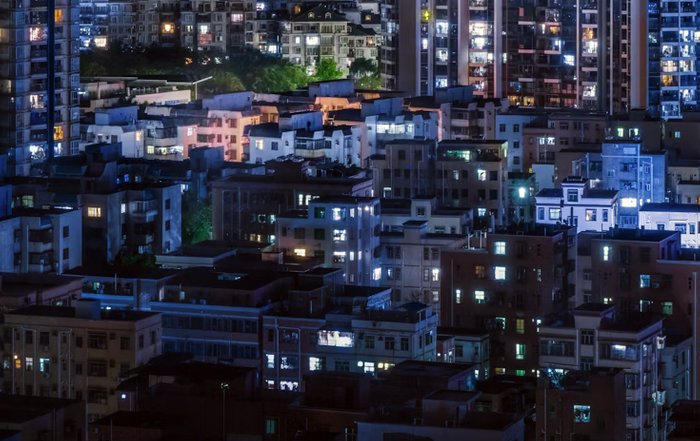
Urban Development Trends in Major World Cities
Urbanization at a New Threshold
Now global urbanization has moved beyond the symbolic halfway point of the world's population living in cities and entered a phase where the quality, resilience, and ethics of urban growth are central to economic strategy, social stability, and environmental survival. Projections from organizations such as the United Nations indicate that urban populations will continue to rise sharply in the coming decades, particularly in Asia and Africa, while established metropolitan regions in North America and Europe are grappling with aging infrastructure, demographic shifts, and post-pandemic restructuring. Cities now function not only as economic engines but as laboratories for new models of governance, technology, and community life that increasingly shape national and regional trajectories.
For World's Door and its global readership, which spans interests in business transformation, world affairs, technology and innovation, health, and lifestyle, urban development has become a unifying theme that connects seemingly disparate issues. Where people choose to live and work, how they move through their environments, what they eat, which cultures they encounter, and how they experience safety, opportunity, and wellbeing are increasingly determined by choices made in city halls, planning departments, and corporate boardrooms. Urban policy is no longer a niche technical arena; it is the practical stage on which debates about climate, inequality, digital rights, and sustainable growth are being tested in real time.
In 2026, several interlocking trends define the trajectory of major world cities. The 15-minute city concept has evolved from a planning slogan into a measurable performance goal; digital infrastructure and artificial intelligence have become embedded in service delivery and governance; climate resilience is now a core criterion for investment and land-use decisions; post-pandemic work and mobility patterns are reshaping real estate and transport systems; and demands for social equity, ethical governance, and cultural authenticity are driving new forms of participation and accountability. These trends manifest differently in the United States, United Kingdom, Germany, Canada, Australia, France, Italy, Spain, the Netherlands, Switzerland, China, Sweden, Norway, Singapore, Denmark, South Korea, Japan, Thailand, Finland, South Africa, Brazil, Malaysia, New Zealand, and across Europe, Asia, Africa, South America, and North America, yet together they outline a shared global agenda that World's Door seeks to interpret for a discerning, internationally minded audience.
The Maturing 15-Minute City and Human-Centered Design
The idea of the 15-minute city, championed by Carlos Moreno and widely debated since the early 2020s, has matured in 2026 from an aspirational vision into a set of concrete indicators and investment programs in cities across Europe, North America, and parts of Asia and Latin America. At its core, the model asserts that residents should be able to access most essential services-including workspaces, schools, healthcare, groceries, leisure, and green areas-within a short walk or bike ride, thereby reducing car dependency, emissions, and time lost in commuting while strengthening local communities and small businesses.
Paris continues to be a flagship example, extending its cycling superhighways, redesigning major arteries for pedestrians, and scaling up school streets and neighborhood plazas. Barcelona has refined its superblocks approach, integrating low-speed zones, micro-parks, and community services into a coherent urban fabric, while Milan has consolidated its open streets initiatives into long-term mobility and land-use policies. International networks such as C40 Cities and ICLEI - Local Governments for Sustainability now provide detailed methodologies and peer-learning platforms for cities that want to learn more about sustainable urban design, moving the conversation from concept to implementation and benchmarking.
For World's Door, whose readers track urban lifestyle and wellbeing from New York and London to Singapore and Sydney, the human-centered city is no longer an abstract planning ideal but a lived experience with measurable health, economic, and social implications. Walkable, mixed-use neighborhoods in Copenhagen, Amsterdam, Zurich, Vancouver, and Melbourne demonstrate how reduced commuting stress, abundant public spaces, and local cultural venues can support mental health, strengthen social ties, and make cities more attractive to both residents and investors. Meanwhile, cities in the United States, Canada, Australia, and parts of Asia are selectively adopting these principles in downtown revitalization projects and suburban retrofits, attempting to retrofit car-centric landscapes into more compact, people-focused environments without sacrificing accessibility or economic competitiveness.
Smart Cities, Urban AI, and the Ethics of Data
By 2026, the notion of the "smart city" has evolved from a technology-driven marketing label into a more nuanced understanding of digitally enabled governance, where data, sensors, connectivity, and artificial intelligence support decision-making and service delivery but are constrained by robust ethical frameworks. Cities such as Singapore, Seoul, Tokyo, Dubai, and Tallinn have moved beyond pilot projects to full-scale integration of AI in traffic management, energy optimization, waste collection, emergency response, and citizen service portals, while mid-sized cities in Europe and North America are adopting modular solutions tailored to their specific needs and capacities.
Institutions including the World Economic Forum and the Organisation for Economic Co-operation and Development (OECD) have documented best practices and risks associated with data-driven urbanism, emphasizing the need for transparency, accountability, and inclusive design to avoid reinforcing existing inequalities or enabling pervasive surveillance. Professionals interested in the global state of digital governance can explore smart city frameworks and case studies that compare regulatory approaches in Europe, Asia, and the Americas. The European Commission has further advanced digital rights charters and open data directives, influencing how cities in Germany, the Netherlands, the Nordic countries, and Southern Europe procure technology, manage platforms, and protect citizens' privacy.
From the perspective of World's Door, which regularly examines technology's impact on society, the most consequential shift in 2026 is the normalization of AI-assisted decision-making in everyday urban management. Dynamic congestion pricing in London, Stockholm, and Singapore adjusts in real time based on traffic flows and emissions; predictive analytics in Toronto, Sydney, and Munich help utilities anticipate infrastructure failures and optimize maintenance; and generative design tools support planners in Berlin, Helsinki, and San Francisco in simulating land-use and zoning scenarios. At the same time, cases of algorithmic bias in policing tools, inequitable access to digital services, and data breaches have prompted cities from Los Angeles to Barcelona to adopt explicit AI ethics guidelines and independent oversight mechanisms, aligning with the values explored in World's Door's ethics and governance coverage. The emerging consensus among leading cities is that digital innovation must be accompanied by strong safeguards, public engagement, and clear lines of accountability if it is to strengthen rather than erode trust.
Climate Resilience and the Low-Carbon City
Climate change has become a defining constraint and catalyst for urban development strategies in 2026. Intensifying heatwaves in Southern Europe, the United States, and parts of China, more frequent flooding in Southeast Asia and coastal Africa, and drought in regions of Australia, South Africa, and Brazil have made climate risk a central factor in infrastructure investment, insurance markets, and real estate valuation. Reports from the Intergovernmental Panel on Climate Change (IPCC) and UN-Habitat continue to underline that cities are responsible for a significant share of global greenhouse gas emissions while also being uniquely positioned to drive mitigation and adaptation. Urban practitioners and investors can learn more about climate adaptation in cities through evolving guidelines and toolkits that emphasize integrated, multi-sector strategies.
In Europe, cities such as London, Berlin, Stockholm, Amsterdam, and Copenhagen are accelerating progress toward net-zero commitments through building retrofits, district heating and cooling systems, low-emission zones, and large-scale electrification of public transport. Asian megacities including Shanghai, Shenzhen, Singapore, and Tokyo are investing in green building codes, distributed renewable energy, and urban greening initiatives that combine flood management with public amenity, such as sponge city projects and linear parks along waterways. The World Resources Institute and similar organizations have documented how such measures can create jobs, reduce operating costs, and enhance competitiveness, making climate resilience a core business case rather than a purely environmental concern.
For readers of World's Door focused on environment and sustainability, a notable development in 2026 is the mainstreaming of climate risk into financial decision-making. Investors, insurers, and rating agencies now routinely assess exposure to sea-level rise, extreme heat, and water scarcity when evaluating urban projects from Miami and New York to Rotterdam, Bangkok, Cape Town, and Rio de Janeiro. Many coastal cities are combining hard infrastructure such as sea walls and surge barriers with nature-based solutions like wetlands restoration, mangrove protection, and blue-green corridors, aligning with the integrated, long-term perspective highlighted in World's Door's sustainable futures features. The result is a gradual shift from reactive disaster response to proactive resilience planning that connects climate, health, housing, and social equity in a single strategic framework.
Post-Pandemic Work, Mobility, and the Reshaped Urban Economy
Six years after the onset of the COVID-19 pandemic, its structural effects on urban work and mobility patterns are still unfolding in 2026, with significant regional variation. Remote and hybrid work have stabilized as standard practice in many knowledge-intensive sectors in the United States, United Kingdom, Canada, Australia, Germany, the Netherlands, and the Nordic countries, while cities in parts of Asia, including China, South Korea, and Japan, have seen a stronger return to office-based routines, albeit with more flexible hours and distributed workspaces. Research from organizations such as McKinsey & Company and the Brookings Institution has traced how these patterns have altered office demand, public transport ridership, retail footfall, and municipal revenues; interested readers can explore analyses of the future of urban work that detail these shifts across major metropolitan regions.
In North American and European cities such as New York, London, Toronto, Berlin, and Paris, underutilized office towers and commercial blocks are being converted into mixed-use developments and residential units, creating opportunities to address chronic housing shortages while reimagining central business districts as multi-functional neighborhoods with cultural, educational, and leisure offerings. In Asia-Pacific hubs such as Singapore, Sydney, Auckland, and Seoul, demand has grown for high-quality co-working spaces and neighborhood hubs that allow hybrid workers to stay closer to home while maintaining professional networks and access to services, reinforcing the logic of the 15-minute city in economic geography.
For World's Door, which tracks global business trends and innovation, the reconfiguration of the urban economy in 2026 highlights the importance of diversification, entrepreneurship, and skills development. Cities that are managing the transition effectively-from Boston and San Francisco to Berlin, Stockholm, Singapore, and Melbourne-are investing in innovation districts, startup ecosystems, and lifelong learning platforms, often in partnership with universities and private sector actors. Organizations such as the World Bank and the International Labour Organization stress that inclusive employment strategies are essential to avoid deepening divides between high-income professionals who can leverage flexible work and lower-wage workers in logistics, hospitality, healthcare, and personal services who remain tied to specific locations. Readers interested in the social dimension of these changes can learn more about inclusive urban growth and its implications for cities across Europe, Asia, Africa, South America, and North America.
Housing, Affordability, and Social Equity Pressures
Housing affordability has become one of the most politically sensitive and economically consequential issues in major world cities in 2026. From San Francisco, Los Angeles, Vancouver, and Toronto in North America to London, Manchester, Berlin, Munich, Stockholm, Oslo, Sydney, Melbourne, Singapore, Hong Kong, and Shanghai, the combination of population growth, constrained land supply, speculative investment, and regulatory complexity has pushed rents and purchase prices beyond the reach of many middle- and lower-income households. This has intensified debates about intergenerational fairness, the role of global capital in local markets, and the ability of cities to maintain diversity and social cohesion.
Some cities continue to stand out as relative success stories. Vienna and Zurich, often cited by UN-Habitat and the OECD as models of long-term affordability, rely on robust social housing programs, cooperative ownership models, and stable rental regulations that insulate residents from extreme volatility. Others, including Berlin and Barcelona, have experimented with rent caps, vacancy taxes, and restrictions on short-term rentals, with mixed outcomes and ongoing legal and political disputes. In the United States and Canada, cities such as Minneapolis, Portland, and Montreal have moved to relax single-family zoning, encourage mid-rise and multi-family development, and support community land trusts, while still navigating local resistance and infrastructure constraints. Urban policy analysts can learn more about housing policy approaches by comparing these models across regions.
For readers of World's Door interested in society, culture, and urban lifestyles, the housing crisis is felt not only in rent levels but in the transformation of neighborhood identities. Districts in London, New York, Paris, and San Francisco that once symbolized artistic experimentation and immigrant entrepreneurship have seen long-term residents and small businesses displaced by rising costs, threatening the cultural richness that made these areas attractive in the first place. At the same time, new creative and multicultural districts have emerged in cities, where younger generations, international migrants, and digital professionals are shaping distinctive cultural scenes. Those interested in how these dynamics influence daily life and consumption patterns can explore World's Door features on urban culture and food trends, which highlight how affordability, zoning, and transport access determine which cuisines, art forms, and community spaces can thrive in global cities.
Health, Wellbeing, and the Metrics of Liveability
In 2026, health and wellbeing have become core metrics by which cities are judged, both by residents and by globally mobile talent. The experience of the pandemic, combined with growing evidence on the links between urban form and health outcomes, has encouraged many city governments to integrate public health considerations into planning, transport, housing, and environmental policy. Air quality, noise levels, access to green space, opportunities for active transport, and availability of community services are now commonly incorporated into liveability rankings and investment decisions, influencing where companies locate offices and where individuals choose to build their careers and families.
The World Health Organization (WHO) and leading academic institutions in the United States, United Kingdom, Europe, and Asia have expanded their research on healthy urban environments, documenting how walkable streets, parks, cycling infrastructure, and social cohesion can reduce non-communicable diseases, improve mental health, and enhance resilience to crises. Readers can learn more about healthy cities through global guidelines and case studies that showcase successful initiatives in Copenhagen, Vancouver, Melbourne, Singapore, and Tokyo. These cities demonstrate how coordinated action on transport, land use, and public space can deliver benefits that extend far beyond aesthetics or recreation.
World's Door, with its dedicated coverage of health and wellbeing trends, observes that in 2026 the most advanced urban health strategies are explicitly cross-sectoral. In Stockholm, Helsinki, and Amsterdam, mental health services are being integrated with community centers, youth programs, and cultural offerings. In Cape Town, Nairobi, and Bangkok, urban agriculture and local food markets are being promoted as tools for both nutrition and economic inclusion, resonating with the themes explored across World's Door's lifestyle and food sections. In cities from Seoul and Singapore to Zurich and Geneva, public transport design, housing quality standards, and digital service delivery are being evaluated through the lens of accessibility for older adults, people with disabilities, and low-income residents, reinforcing the idea that a truly liveable city is one that supports wellbeing across all stages of life and social groups.
Culture, Identity, and the Experience Economy of Global Cities
The cultural dimension of urban development has become more prominent in 2026 as cities compete not only for investment and talent but also for visitors and global attention. Major cultural centers are negotiating the balance between tourism, local authenticity, and the pressures of commercialization.
Cultural institutions-museums, theaters, music venues, galleries, and festivals-have expanded their digital presence since the pandemic, offering hybrid experiences that reach global audiences while seeking to maintain strong local roots. UNESCO has intensified its focus on creative cities, intangible cultural heritage, and the role of culture in sustainable development, encouraging planners and policymakers to embed cultural infrastructure in urban regeneration and housing strategies. Those who wish to explore cultural policy and urban heritage can examine how different regions are integrating arts, design, and heritage preservation into broader development agendas.
For World's Door, whose audience is deeply engaged with travel, culture, and lifestyle, the evolving identity of global cities is a central narrative. Urban development decisions determine whether historic quarters in Lisbon, Kyoto, or Buenos Aires retain their distinctive character or become homogenized entertainment zones dominated by international brands and short-term rentals. At the same time, newly created cultural districts-such as waterfront developments in Hamburg and Sydney, innovation and design clusters illustrate how thoughtful planning can create inclusive spaces that support local artists, entrepreneurs, and communities while welcoming international visitors. The interplay between physical design, cultural programming, and economic strategy is redefining what it means to experience a city, both for residents who seek a sense of belonging and for travelers who look for authenticity and connection.
Governance, Ethics, and Participatory Urbanism
Behind every visible transformation in the urban landscape lies a web of governance arrangements, power relations, and ethical choices. In 2026, the complexity of urban governance has increased as cities collaborate with national governments, regional authorities, private developers, financial institutions, civil society organizations, and international networks. Initiatives such as the Global Parliament of Mayors and networks supported by United Cities and Local Governments (UCLG) highlight the growing role of cities as diplomatic actors and policy innovators, shaping agendas on climate, migration, digital rights, and public health. Readers can learn more about city diplomacy and governance to understand how local leaders in Europe, Asia, Africa, and the Americas coordinate across borders.
Ethical considerations are now central to debates about data governance, displacement and gentrification, infrastructure financing, and climate adaptation. Public trust depends on transparent processes, clear accountability, and meaningful participation, particularly for communities that have historically been marginalized in planning decisions. In 2026, participatory budgeting, community land trusts, co-design workshops, and digital engagement platforms are being used in cities from New York, Montreal, and Chicago to Madrid, Barcelona, Seoul, Cape Town, and Nairobi to involve residents directly in setting priorities and shaping projects. These mechanisms are far from perfect, but they signal a shift toward more deliberative and inclusive models of urban decision-making.
For World's Door, which examines ethics, society, and civic engagement, these governance innovations are as significant as any technological breakthrough. They determine whether smart city platforms respect privacy, whether climate adaptation protects vulnerable neighborhoods as well as high-value assets, and whether large-scale developments contribute to or undermine social equity. Youth climate movements, housing justice coalitions, and local environmental campaigns across continents have injected new energy into urban politics, demanding that city leaders align their strategies with principles of human rights, environmental stewardship, and intergenerational responsibility. In this context, the credibility and trustworthiness of urban institutions have become strategic assets that influence everything from investment decisions to migration patterns.
Education, Talent, and the Learning City
A defining feature of leading urban regions in 2026 is their role as hubs of education, research, and lifelong learning. Cities that host globally recognized universities, research centers, and vocational training institutions-such as Boston, New York, San Francisco, London, Oxford, Cambridge, Berlin, Munich, Paris, Zurich, Geneva, Singapore, Tokyo, Seoul, Melbourne, Sydney, and Toronto-are leveraging these assets to drive innovation in fields as diverse as artificial intelligence, biotechnology, renewable energy, and sustainable urban design. These cities are increasingly understood as "learning ecosystems" where formal education, informal networks, and workplace training intersect.
International bodies including the OECD and UNESCO have refined their frameworks for learning cities, emphasizing the need to support reskilling and upskilling as automation and digitalization transform labor markets. Those interested in the intersection of education and urban policy can explore the learning city concept, which highlights how spatial planning, housing policy, and transport access influence educational opportunity. In practice, cities are integrating campuses with surrounding neighborhoods, encouraging partnerships between universities and local enterprises, and expanding digital learning platforms to reach residents who cannot participate in traditional programs, including migrants and low-income workers.
For World's Door, whose readers follow education, innovation, and future skills, the rise of the learning city underscores the importance of human capital as a foundation for sustainable urban development. Cities that successfully attract and retain talent from the United States, United Kingdom, Germany, Canada, Australia, France, Italy, Spain, the Netherlands, Switzerland, China, Sweden, Norway, Singapore, Denmark, South Korea, Japan, Thailand, Finland, South Africa, Brazil, Malaysia, New Zealand, and beyond tend to combine strong educational institutions with high levels of liveability, cultural vibrancy, and inclusive social policies. This integrated approach aligns with the cross-cutting perspective that defines World's Door, where business, technology, environment, society, and culture are understood as interdependent components of a single urban story.
Looking Ahead: World's Door and the Next Chapter of Global Cities
As 2026 unfolds, it is increasingly clear that urban development in major world cities is entering a phase characterized by convergence, where physical design, digital infrastructure, climate resilience, economic restructuring, cultural identity, and ethical governance are deeply intertwined. The 15-minute city concept intersects with smart mobility and hybrid work; climate adaptation strategies reshape waterfronts, housing markets, and food systems; AI-enabled service delivery raises questions of privacy and fairness; and cultural districts become arenas where tourism, authenticity, and social justice collide. Cities across Europe, Asia, Africa, South America, and North America are grappling with these intertwined challenges from different starting points and political contexts, but they share a need for evidence-based planning, cross-sector collaboration, and trusted institutions.
For World's Door, urban development is not simply a topic among many; it is the connective tissue that links global travel and cultural exploration, business strategy and innovation, environmental sustainability, health and lifestyle, and the ethical questions that define contemporary society. By following how cities in the United States, United Kingdom, Germany, Canada, Australia, France, Italy, Spain, the Netherlands, Switzerland, China, Sweden, Norway, Singapore, Denmark, South Korea, Japan, Thailand, Finland, South Africa, Brazil, Malaysia, and New Zealand respond to these pressures, World's Door aims to equip its readers with the insights needed to make informed decisions about where to live, how to invest, which policies to support, and how to contribute to more resilient and equitable urban futures.
The coming decade will test the capacity of city leaders, businesses, communities, and institutions to translate ambitious visions into practical outcomes that are both inclusive and sustainable. Success will depend on accumulated experience, specialized expertise, the authoritativeness of data and analysis, and, crucially, the trustworthiness of governance processes that invite genuine participation and scrutiny. By offering in-depth, cross-disciplinary coverage and connecting developments in health, travel, culture, lifestyle, business, world affairs, technology, environment, innovation, ethics, society, education, and food, World's Door positions itself as a reliable guide through this evolving landscape.
Readers who wish to continue exploring how the forces transforming cities are reshaping everyday life and global systems can return to World's Door's main portal, where urban stories are woven into a broader narrative about the choices that will define wellbeing, opportunity, and shared prosperity in 2026 and beyond.