

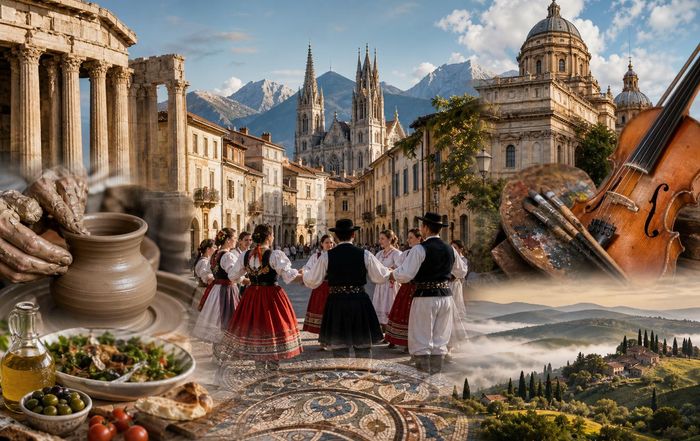
Living Traditions That Continue to Shape Modern Europe
In an era often defined by rapid digital transformation and global mobility, Europe continues to demonstrate that tradition and modernity are not opposing forces but intertwined strands of a shared cultural fabric. From the Arctic Circle to the Mediterranean, living traditions-those that are actively practiced, adapted, and reinterpreted-remain central to how communities understand themselves, welcome visitors, and imagine their future. For global hopping people, who explore the intersections of travel, culture, lifestyle, environment, and innovation, these enduring practices offer a powerful reminder that the continent's most valuable heritage is not locked away in museums but alive in streets, kitchens, festivals, and everyday rituals.
Tradition as a Living, Evolving Force
Cultural historians and anthropologists increasingly describe tradition not as a static inheritance but as a dynamic process through which communities negotiate continuity and change. Institutions such as UNESCO highlight this perspective through the concept of "intangible cultural heritage," which includes oral traditions, performing arts, social practices, rituals, festive events, and traditional craftsmanship that communities recognize as part of their cultural legacy. Readers can explore this framework through the UNESCO Intangible Cultural Heritage portal, which documents many European practices that continue to evolve rather than simply be preserved.
Across Europe, societies have responded to globalization, migration, climate change, and technological innovation by reimagining long-standing customs. In 2026, it is increasingly evident that living traditions play a vital role in strengthening social cohesion, supporting sustainable tourism, inspiring creative industries, and promoting mental and physical well-being. For travelers planning their next journey through WorldsDoor's travel insights, understanding these traditions offers not only richer itineraries but also more respectful and meaningful encounters with local communities.
Festivals and Rituals: Seasonal Rhythms in a Digital Age
Seasonal festivals remain among the most visible expressions of European tradition, yet even the most historic celebrations have adapted to contemporary realities. In Germany, for example, the Oktoberfest in Munich, one of the world's most famous folk festivals, has evolved from a local celebration of a royal wedding into a global event that balances mass tourism with efforts to preserve Bavarian music, costumes, and brewing heritage. Official information from the City of Munich shows how organizers now integrate sustainability measures, including public transport incentives and waste reduction, into the festival's planning, reflecting growing environmental awareness.
Similarly, in Spain, the Fallas of Valencia and La Tomatina in Buñol attract international visitors while local authorities and community groups work to maintain their original social and religious meanings. The Spanish Tourism Board provides context on how these events link to historical guild traditions, neighborhood identity, and regional linguistic culture. In Italy, the centuries-old Venice Carnival combines elaborate masks and costumes with contemporary artistic performances, while city officials and heritage organizations grapple with overtourism and rising sea levels, prompting new regulations to protect both the lagoon environment and the city's fragile urban fabric.
In northern Europe, Midsummer celebrations in Sweden and Finland demonstrate how rituals can reinforce national and regional identity while remaining inclusive and open to change. The Swedish Institute explains on its official portal Sweden.se how Midsummer, with its maypoles, folk songs, and shared meals, continues to be one of the most important family-oriented festivals, yet has also become a symbol of Swedish lifestyle for visitors seeking authentic seasonal experiences. These celebrations are often linked to time spent in nature, reflecting the deep-rooted Scandinavian value of outdoor life, which readers can relate to through lifestyle coverage on well-being and nature-connected living.
Culinary Heritage: Food as Memory, Innovation, and Identity
European food culture offers one of the clearest examples of living traditions that adapt to new values and knowledge while maintaining a sense of continuity. From the vineyards of France and Italy to the bakeries of Portugal and the street food markets of the United Kingdom, culinary practices link families, regions, and nations, while also responding to contemporary concerns about health, sustainability, and animal welfare.
Organizations such as the Slow Food movement, founded in Italy and now active worldwide, have played a key role in promoting traditional ingredients and artisanal methods as a counterpoint to industrialized food systems. Through its official platform slowfood.com, the movement documents endangered food varieties, supports small producers, and encourages consumers to value biodiversity and local knowledge. In France, the concept of "gastronomic meal of the French," recognized by UNESCO as intangible cultural heritage, emphasizes not only recipes but also the rituals of sharing food, conversation, and hospitality that structure social life.
At the same time, public health agencies such as the European Food Safety Authority provide evidence-based guidance on nutrition and food safety through efsa.europa.eu, influencing how traditional diets are adapted in light of modern medical knowledge. Mediterranean cuisines, long celebrated for their emphasis on vegetables, olive oil, legumes, and fish, have been the subject of extensive research by institutions like Harvard T.H. Chan School of Public Health, which offers accessible overviews of the health benefits of the Mediterranean diet on hsph.harvard.edu. These findings reinforce the idea that culinary heritage can support both cultural identity and long-term health, a theme also reflected in WorldsDoor's health section.
In cities such as London, Berlin, and Amsterdam, traditional European dishes increasingly coexist with global flavors introduced by migrant communities, leading to hybrid cuisines that are themselves becoming new traditions. Food markets highlight this evolution, as seen in resources like VisitBritain and Germany's official tourism site, which showcase how contemporary European food scenes embrace both local heritage and international diversity. For active people, this culinary blending illustrates how travel, culture, and food intersect in ways that are both deeply rooted and continually evolving, a topic explored further in WorldsDoor's food features.
Traditional Arts, Crafts, and Design in the 21st Century
Across Europe, artisans continue to practice crafts that have been refined over generations, from lace-making in Belgium and glass-blowing in the Czech Republic to textile weaving in Scotland and ceramics in Portugal. These crafts are not only preserved for their aesthetic value but also reinterpreted by designers, architects, and entrepreneurs who see in them a sustainable alternative to fast fashion and mass-produced goods.
Organizations such as the World Crafts Council Europe document many of these practices and support networks of artisans through platforms like wcc-europe.org. In countries such as Denmark, Sweden, and Finland, the global influence of Nordic design owes much to traditional woodworking, textile, and metalworking techniques, which have been adapted to modern forms while maintaining an emphasis on simplicity, functionality, and respect for materials. National design museums and institutions, including Designmuseum Danmark and Nationalmuseum in Sweden, offer accessible overviews of these connections between tradition and modern design on their official websites.
Digital technologies have created new opportunities for artisans to reach global audiences, with many European craftspeople using online marketplaces and social media to share their work and stories. At the same time, vocational schools and cultural organizations are working to ensure that younger generations can learn these skills. The European Commission and initiatives like the New European Bauhaus encourage creative projects that combine sustainability, aesthetics, and inclusion, providing funding and visibility for those who integrate traditional craftsmanship with innovative materials and techniques. Readers interested in how craft, design, and innovation intersect can explore related themes through new innovation coverage.
Language, Music, and Storytelling: Voices of Continuity
Linguistic and musical traditions form another crucial layer of Europe's living heritage. While many European countries have official national languages, there is also a rich mosaic of regional and minority languages, from Basque and Catalan in Spain to Welsh and Scottish Gaelic in the United Kingdom, Frisian in the Netherlands and Germany, and Sami languages in northern Scandinavia. Organizations such as the Council of Europe and the European Charter for Regional or Minority Languages, accessible via coe.int, highlight efforts to protect and promote these languages through education, media, and cultural programs.
Music and dance traditions-from Irish folk music and flamenco in Spain to fado in Portugal and polska in Sweden-continue to be performed in local venues, festivals, and increasingly in digital spaces. The European Broadcasting Union and public broadcasters such as BBC, ARD, and RAI regularly feature traditional music alongside contemporary genres, contributing to its ongoing visibility. Institutions like the Irish Traditional Music Archive at itma.ie and similar archives in other countries document and share recordings, scores, and oral histories, ensuring that younger musicians can learn from earlier generations while developing their own styles.
Storytelling traditions also remain vibrant, whether in the form of fairy tales collected in the nineteenth century, contemporary novels drawing on folklore, or local guides sharing legends with visitors. For travelers seeking deeper cultural immersion, engaging with local literature, music, and oral histories offers a way to move beyond surface-level tourism and connect with the narratives that shape how communities understand their past and present. WorldsDoor places particular emphasis on these narrative dimensions in its culture section, encouraging readers to listen to local voices and contexts as they explore Europe.
Sustainable Tourism and the Revival of Local Customs
The growth of sustainable and responsible tourism has brought renewed attention to local traditions as a resource for communities seeking to diversify their economies while protecting their environment and cultural identity. Organizations such as the United Nations World Tourism Organization (UNWTO) provide guidance on sustainable tourism development, emphasizing the importance of involving local residents in decision-making and ensuring that tourism revenues support cultural preservation rather than undermining it.
In regions such as the Italian and Swiss Alps, traditional practices related to mountain agriculture, pastoralism, and alpine architecture are being revived and adapted to attract visitors interested in authentic experiences, including farm stays, guided hikes, and seasonal festivals. The Alpine Convention, an international treaty among Alpine countries, highlights these efforts on alpine-convention.org, showing how traditional knowledge about mountain ecosystems contributes to climate adaptation strategies and biodiversity protection. Similarly, in rural France and Spain, initiatives to restore traditional vineyards, olive groves, and stone villages often combine heritage conservation with eco-tourism and local gastronomy, reflecting a holistic approach to regional development.
Nordic countries such as Norway and Sweden have also emphasized the importance of indigenous Sami traditions in rethinking tourism in the Arctic and sub-Arctic regions. Official tourism boards like Visit Norway and Visit Sweden increasingly highlight Sami culture, crafts, and reindeer herding practices, while also stressing the need for respectful engagement and consultation with Sami communities. For readers of WorldsDoor, these examples illustrate how travel, environment, and culture intersect in ways that can either support or threaten local traditions, making informed choices and ethical awareness essential components of contemporary exploration, as reflected in WorldsDoor's sustainable travel and environment coverage and sustainability-focused content.
Health, Well-Being, and Traditional Lifestyles
Beyond festivals and tourism, many European traditions are closely linked to health and well-being, offering insights into how communities have historically balanced work, rest, social connection, and physical activity. In Mediterranean countries such as Italy, Spain, and Greece, daily rhythms often include extended family meals, outdoor socializing, and walking in urban or rural landscapes, habits that align with modern public health recommendations on diet, movement, and social support. Research summarized by organizations like the World Health Organization (WHO), accessible through who.int, underscores the importance of these lifestyle factors in preventing chronic diseases and supporting mental health.
In Nordic countries, traditions such as the Finnish sauna and the Norwegian and Swedish emphasis on "friluftsliv" (open-air life) encourage regular contact with nature, seasonal adaptation, and communal relaxation. Studies published in peer-reviewed journals and summarized by institutions like the European Environment Agency on eea.europa.eu suggest that access to green spaces and outdoor recreation is associated with reduced stress and improved well-being, reinforcing the value of these practices in contemporary urbanized societies.
At the same time, European health systems and policymakers are working to integrate traditional community-based support structures with modern medical care, particularly in aging societies. Initiatives that promote intergenerational housing, neighborhood networks, and cultural activities for older adults draw on long-standing social traditions while addressing current demographic challenges. For readers of WorldsDoor, these developments resonate with broader conversations about health, lifestyle, and community resilience, themes that are regularly explored on WorldsDoor's health pages and society-focused coverage.
Technology, Digital Heritage, and the Future of Tradition
As Europe navigates the mid-2020s, digital technologies play a growing role in how traditions are documented, shared, and reinvented. Museums, archives, and cultural institutions across the continent have expanded their online collections, allowing users worldwide to explore artifacts, recordings, and virtual exhibitions. The Europeana initiative, supported by the European Union, aggregates millions of cultural items from European institutions and makes them accessible through europeana.eu, offering a powerful resource for educators, researchers, and curious travelers.
Virtual reality reconstructions of historical sites, augmented reality city tours, and digital storytelling platforms allow younger generations to engage with heritage in interactive ways, while also raising important questions about authenticity, representation, and access. Technology companies and research institutions collaborate on projects that use 3D scanning, satellite imagery, and artificial intelligence to monitor and protect vulnerable cultural sites, particularly in regions affected by climate change or natural disasters. The European Commission's digital strategy, including its work on cultural heritage, can be explored through ec.europa.eu, providing insight into how policy frameworks support these innovations.
At the same time, social media and streaming platforms have enabled local traditions-whether a village festival, a folk dance group, or a regional cooking style-to reach global audiences, sometimes leading to renewed pride and participation among younger community members. However, cultural scholars note that this visibility can also result in simplification or commercialization, highlighting the need for ethical frameworks that respect community ownership and context. For readers of WorldsDoor, who often engage with Europe both online and in person, reflecting on these dynamics is an essential part of responsible cultural exploration, a theme further developed in WorldsDoor's ethics and culture content.
Education, Intercultural Dialogue, and Shared European Values
Education systems across Europe increasingly recognize the importance of integrating local and regional traditions into curricula, not only as historical subjects but as living practices that students can experience and contribute to. Schools collaborate with museums, cultural associations, and elder community members to organize workshops on traditional music, crafts, and storytelling, often linking these activities to broader themes such as environmental stewardship, social justice, and intercultural dialogue.
The European Union's Erasmus+ program, which promotes student and teacher exchanges, supports many projects that focus on cultural heritage and community engagement. Information on these initiatives is available through the official Erasmus+ portal at erasmus-plus.ec.europa.eu. By bringing together participants from different countries and backgrounds, these programs foster a sense of shared European identity that respects diversity rather than seeking uniformity. They also encourage young people to see tradition as something they can actively shape, rather than passively inherit.
Non-governmental organizations and cultural networks, such as Europa Nostra, accessible via europanostra.org, advocate for the protection of cultural and natural heritage, emphasizing its role in democratic participation and community resilience. For readers of WorldsDoor, these efforts highlight how traditions can contribute to a more inclusive and sustainable Europe, in which local voices are heard and respected. This perspective aligns closely with WorldsDoor's education and world affairs coverage, which explore how cultural heritage intersects with policy, identity, and global challenges.
The Art of Traveling Through Living Traditions!
For an audience that spans continents and is particularly interested in travel, culture, health, lifestyle, environment, technology, food, and society, living traditions in Europe offer an inexhaustible source of inspiration and reflection. WorldsDoor approaches these traditions not as static attractions but as entry points into deeper conversations about how people create meaning, care for their communities, and adapt to change. Whether highlighting a small-town festival in France, a community-run cultural center in Germany, a family-owned vineyard in Italy, or a Sami craft cooperative in Norway, the platform seeks to illuminate the human stories and ethical considerations that lie behind every photo and itinerary.
In 2026, as Europe continues to navigate complex social, economic, and environmental transformations, the resilience of its living traditions suggests that continuity and innovation can coexist in creative and mutually reinforcing ways. From the perspective of WorldsDoor, this coexistence is precisely what makes the continent so compelling: travelers can attend a centuries-old celebration that now incorporates sustainability measures, taste a traditional dish prepared with new awareness of health and climate impacts, or listen to an ancient melody performed with contemporary improvisation.
By engaging with these traditions thoughtfully-seeking context, listening to local voices, supporting community-led initiatives, and reflecting on the ethical dimensions of cultural exchange-visitors and readers alike can contribute to their vitality rather than their commodification. Through its interconnected reporting of travel, culture, lifestyle, environment, and sustainability, we aim to be a guide and companion on this journey, opening doors not only to places but to the living traditions that continue to shape modern Europe and, in turn, the shared global future.