

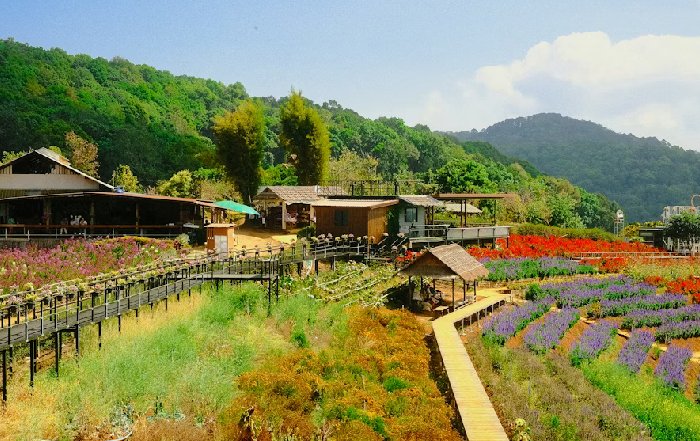
Revitalizing Rural Communities Through Tourism
Opening Rural Worlds: Why Tourism Matters Now
The global conversation about inclusive growth, social cohesion and long-term sustainability has turned decisively toward places that, for decades, sat at the periphery of economic planning: rural communities. From remote villages in Spain and Italy to agricultural counties in the United States, townships in South Africa and mountain hamlets in Japan, rural regions are searching for viable paths to renewal. Tourism has emerged as one of the most powerful, flexible and human-centered levers for this renewal, provided it is designed with care, cultural sensitivity and a clear understanding of local aspirations. For WorldsDoor and its readers, who follow interconnected themes of health, travel, culture, lifestyle, business and world affairs, the revitalization of rural communities through tourism is not a niche topic; it is a lens through which to understand how societies everywhere are rebalancing opportunity between cities and countryside.
The rise of remote work, demographic shifts, climate anxiety and a growing preference for meaningful experiences over material goods have converged to create a new demand for authentic, place-based travel. At the same time, rural regions are grappling with depopulation, aging residents, limited public services and fragile local economies. Tourism, when guided by evidence-based policy and grounded in local ownership, can bridge these opposing trends, creating new livelihoods while preserving landscapes, languages, culinary traditions and social fabrics that might otherwise fade. In this context, WorldsDoor positions itself as a gateway, curating stories, analyses and practical insights that help business leaders, policymakers, educators and travelers understand how to engage with rural destinations responsibly and productively.
The Global Context: Rural Decline and Opportunity
Across continents, rural communities share a common narrative of structural change. Mechanization in agriculture, consolidation of farms, offshoring of manufacturing and the centralization of services in metropolitan areas have gradually eroded employment opportunities in small towns and villages. Organizations such as the World Bank have documented how rural poverty and out-migration remain persistent challenges, especially in parts of Africa, Asia and Latin America, even as global GDP steadily expands. Readers can explore how rural development fits into broader economic strategies by reviewing global perspectives on rural transformation from institutions like the World Bank.
In high-income regions such as North America and Europe, the story is more nuanced. Many rural areas in the United States, the United Kingdom, Germany, France, Spain, Italy and the Nordic countries enjoy high living standards by global comparison, yet still face shrinking populations, declining tax bases and an erosion of essential services such as healthcare, education and public transportation. The Organisation for Economic Co-operation and Development (OECD) has analyzed how these trends contribute to regional inequality and political polarization, offering detailed reports on regional development and inclusive growth. These analyses underscore why tourism is increasingly viewed not as a luxury but as a strategic economic pillar that can diversify rural income streams, attract investment and support local entrepreneurship.
In emerging economies, the stakes are even higher. Rural communities in countries such as Brazil, South Africa, Thailand and Malaysia are often rich in biodiversity, cultural heritage and traditional knowledge, yet they can be highly vulnerable to climate change, land degradation and extractive industries. Here, tourism can either exacerbate inequalities and environmental stress or serve as a catalyst for conservation and inclusive development. The difference depends on how carefully tourism strategies are designed and governed, and this is precisely where WorldsDoor seeks to add value: by connecting global best practices with the lived realities of communities and travelers.
From Extraction to Experience: The New Rural Tourism Paradigm
The model of rural tourism that dominated in the late twentieth century was often extractive and one-dimensional. Visitors arrived in private vehicles or tour buses, spent modest amounts on accommodation, food and souvenirs, and left little lasting benefit behind. Employment was frequently seasonal and low-paid, while local cultures were sometimes reduced to staged performances. In some cases, poorly regulated tourism contributed to environmental degradation, overuse of water resources, waste management crises and the commodification of sacred sites. The experience economy of the 2020s, shaped by shifting consumer expectations and more sophisticated destination management, has pushed the sector in a different direction.
Travelers from the United States, Canada, Australia, the United Kingdom, Germany, the Netherlands, the Nordic countries, Singapore, Japan and South Korea are now more likely to seek immersive, educational and ethically aligned experiences. They want to understand how cheese is made on a family farm in Switzerland, learn about regenerative rice cultivation in Thailand, participate in Indigenous cultural workshops in Canada or hike along restored heritage trails in rural Spain. This evolution aligns with research from organizations such as the World Tourism Organization (UN Tourism), which has tracked the growth of rural and nature-based tourism and provides extensive resources on rural tourism and community development.
The shift from extraction to experience is also visible in policy frameworks. The European Commission, for example, has promoted smart villages and sustainable tourism within its rural development programs, emphasizing digital connectivity, local innovation and circular economy principles. Readers interested in how European regions are reimagining their countryside can explore the Commission's work on rural development and smart villages. In Asia, initiatives in Japan, South Korea, China and Thailand have linked tourism to heritage preservation, creative industries and green infrastructure, with governments and local authorities experimenting with incentives for rural entrepreneurship and digital nomadism.
Economic Revitalization: Jobs, Entrepreneurship and Local Value Chains
The economic case for rural tourism rests on its capacity to create diverse, locally rooted value chains rather than isolated pockets of visitor spending. When tourism is integrated into broader rural development strategies, it can generate employment not only in hospitality but also in agriculture, crafts, food processing, transport, cultural services, education and technology. For instance, a small eco-lodge in rural New Zealand or Norway may source fresh produce from nearby farms, commission furniture from local artisans, hire guides trained in environmental interpretation and collaborate with schools to offer field courses in ecology and climate resilience.
Evidence from multiple regions suggests that tourism can be particularly effective in generating opportunities for women, youth and marginalized groups, especially when combined with targeted training and access to microfinance. Institutions such as the International Labour Organization (ILO) have highlighted how decent work in tourism can support inclusive rural growth and provide guidance on skills development and fair employment in tourism. For rural communities in South Africa, Brazil or Malaysia, where unemployment and underemployment can be chronic, tourism enterprises that respect labor standards and invest in capacity building can contribute to social stability as well as income generation.
For business leaders and investors, the evolving rural tourism landscape presents both opportunities and responsibilities. Impact-oriented investors are increasingly interested in rural hospitality projects, agritourism ventures, wellness retreats and cultural hubs that align with environmental, social and governance (ESG) criteria. Financial institutions and development banks have started to examine how tourism can fit within broader frameworks for sustainable business practices. For WorldsDoor, which explores innovation and entrepreneurship across sectors, these developments illustrate how rural tourism is becoming a serious business domain, not merely a lifestyle choice.
Health, Well-Being and the Rural Wellness Movement
One of the most striking shifts in traveler behavior since the early 2020s has been the growing focus on health, mental well-being and work-life balance. Urban residents in megacities from New York and London to Tokyo, Shanghai and São Paulo increasingly view rural escapes as essential to their physical and psychological resilience. The pandemic years intensified this trend, but it has persisted and matured into a structured wellness movement that intersects with rural tourism in powerful ways.
Rural regions offer clean air, open spaces, quieter soundscapes and opportunities for physical activity that are difficult to replicate in dense urban environments. Activities such as forest bathing in Japan, hiking in the Alps, cycling through Dutch countryside, farm stays in Italy, yoga retreats in rural India and mindfulness workshops in Scandinavian forests are now integral to many rural tourism portfolios. Organizations such as the World Health Organization (WHO) have recognized the importance of nature and green spaces for mental health, and readers can explore how environmental factors influence well-being in resources on health and the environment.
For rural communities, wellness-oriented tourism can encourage the development of local health services, fitness facilities, organic food production and therapeutic practices that benefit residents as well as visitors. It can also create synergies with education, as universities and research institutes partner with rural destinations to conduct studies on stress reduction, biodiversity, nutrition and active aging. These intersections resonate strongly with WorldsDoor's coverage of health, lifestyle and food, underscoring how rural revitalization is not only an economic project but also a public health and quality-of-life agenda.
Culture, Identity and the Ethics of Authenticity
Rural tourism inevitably touches on questions of cultural identity, representation and ethics. Many rural communities are custodians of languages, crafts, rituals, music, architecture and culinary traditions that have evolved over centuries. These intangible assets are often the primary draw for visitors from Europe, North America, Asia and beyond, yet they are also vulnerable to distortion, appropriation and commercialization. The challenge is to create tourism experiences that celebrate and sustain local cultures without turning them into mere spectacles.
Cultural organizations such as UNESCO have long emphasized the importance of safeguarding intangible heritage, and their work on intangible cultural heritage and sustainable development offers useful guidance for rural destinations. Ethical tourism frameworks stress the need for community consent, fair compensation, accurate storytelling and respect for sacred or sensitive practices. For Indigenous communities in Canada, the United States, Australia, New Zealand and Scandinavia, these principles are crucial in ensuring that tourism supports self-determination rather than reinforcing historical injustices.
Rural communities in Europe, Asia, Africa and South America have also begun to experiment with community-owned tourism cooperatives, cultural centers and festivals that place local voices at the forefront. These initiatives often integrate education, inviting visitors to learn about local history, environmental stewardship and social challenges rather than simply consuming picturesque experiences. WorldsDoor, through its focus on culture, society and ethics, engages with these complexities, highlighting examples where tourism strengthens cultural confidence and intergenerational knowledge transfer.
Technology, Connectivity and Smart Rural Destinations
The digital transformation of rural tourism has accelerated markedly by 2026. High-speed broadband, mobile connectivity and cloud services have become critical infrastructure for rural revitalization, enabling everything from online bookings and digital marketing to remote education, telemedicine and hybrid work arrangements. Governments in countries such as Germany, France, the United States, Canada, Japan, South Korea and Singapore have invested heavily in closing the digital divide, recognizing that rural competitiveness increasingly depends on connectivity. Readers interested in the broader implications of rural digitalization can explore analyses of digital transformation and rural connectivity from organizations such as the International Telecommunication Union (ITU).
For rural tourism enterprises, digital tools allow small operators to reach global audiences without intermediaries, manage reservations efficiently, gather customer feedback and tailor offerings to different markets. Platforms that support virtual tours, storytelling and immersive content can showcase rural attractions to potential visitors in Europe, Asia, North America and beyond, while digital payment systems make it easier for micro-enterprises to participate in the tourism economy. At the same time, data analytics and geospatial technologies help local authorities manage visitor flows, monitor environmental impacts and plan infrastructure investments.
The concept of "smart rural destinations" has emerged to describe communities that integrate digital technologies with sustainable planning and community governance. These destinations leverage sensors for energy efficiency, smart mobility solutions for low-carbon transport, digital heritage archives for cultural preservation and online participation platforms for resident engagement. For WorldsDoor, whose readers follow technology and innovation trends, rural tourism offers a compelling case study of how digital tools can be harnessed in service of local resilience rather than disruptive displacement.
Sustainability and Climate Responsibility in Rural Tourism
Rural landscapes are on the front lines of climate change. From drought-stricken farms in Australia and South Africa to flood-prone valleys in Germany and China, climate impacts threaten the very resources that make rural tourism possible. Forests, rivers, coastlines, agricultural land and biodiversity are not only attractions; they are life-support systems for local communities. Consequently, sustainability is no longer an optional add-on for rural tourism strategies; it is a core condition for long-term viability.
Environmental organizations and scientific bodies, including the Intergovernmental Panel on Climate Change (IPCC), have documented how climate change is altering ecosystems and rural livelihoods, and their assessments on climate impacts and adaptation provide a sobering backdrop to tourism planning. Rural destinations are responding with a range of measures: promoting low-carbon transport options, investing in renewable energy for accommodations, supporting regenerative agriculture, restoring wetlands and forests, managing water resources carefully and implementing circular waste systems.
Sustainable rural tourism also involves educating visitors about environmental stewardship and encouraging behavior changes that persist beyond the trip. Interpretive trails, farm tours, citizen science projects and community workshops can help travelers understand how their choices affect local ecosystems and global climate trajectories. Organizations such as the United Nations Environment Programme (UNEP) provide guidance on sustainable tourism and resource efficiency, which many rural destinations are now adapting to their specific contexts.
For WorldsDoor, which maintains dedicated coverage of the environment and sustainable futures, the intersection of rural tourism and climate responsibility is central. The platform can help readers navigate questions such as how to assess the carbon footprint of rural travel, how to support conservation-focused enterprises and how to evaluate claims of "eco" or "green" tourism with a critical yet constructive lens.
Governance, Policy and Community Participation
The success or failure of rural tourism initiatives often hinges on governance. Well-intentioned projects can falter if they are imposed from outside, lack community buy-in, overlook local power dynamics or fail to coordinate across sectors such as transport, housing, agriculture and heritage conservation. Conversely, inclusive governance frameworks that give residents real decision-making power tend to produce more resilient and equitable outcomes.
International development agencies and think tanks, including the Food and Agriculture Organization (FAO) and the United Nations Development Programme (UNDP), have highlighted the importance of community-based approaches and integrated rural planning, offering resources on rural development, tourism and local governance. These perspectives emphasize participatory mapping of assets, transparent benefit-sharing mechanisms, clear land-use regulations, safeguards against land speculation and displacement, and strong links between tourism strategies and broader social policies in education, health and housing.
Local governments in countries as diverse as Italy, Spain, Norway, Thailand, Japan and Brazil have experimented with models such as destination management organizations, cooperatives, public-private partnerships and regional tourism clusters. Many of these arrangements are designed to ensure that tourism revenues support public goods, from heritage restoration to school funding and healthcare facilities. For readers of WorldsDoor, who are often engaged in policy, business or civil society, understanding these governance models is essential to assessing where and how to support rural tourism initiatives that align with ethical and sustainable principles.
Education, Skills and the Future Rural Workforce
Tourism-led revitalization requires a skilled and adaptable workforce. Rural schools, vocational institutes and universities play a critical role in equipping residents with the competencies needed to design, manage and innovate tourism products that meet international standards while reflecting local character. Training in hospitality management, languages, digital marketing, environmental science, heritage conservation and entrepreneurship can open pathways for young people who might otherwise feel compelled to migrate to cities.
Global organizations such as UNESCO and the World Economic Forum have explored how education systems can support future-ready skills and lifelong learning, including in rural areas. Readers can learn more about evolving approaches to education for sustainable development and how they intersect with tourism, climate action and cultural preservation. In many countries, partnerships between universities and rural communities are creating living laboratories where students and researchers collaborate with residents to co-design tourism experiences, monitor environmental impacts and test innovative business models.
For WorldsDoor, whose audience follows education trends alongside travel and business, these developments highlight how rural tourism is reshaping not only economies and landscapes but also learning ecosystems. The future rural workforce will likely be more digitally savvy, multilingual and entrepreneurial than previous generations, and tourism can be a catalyst for this transformation if supported by inclusive and forward-looking education policies.
WorldsDoor's Role: A Curated Gateway to Rural Futures
As rural tourism gains strategic importance across continents, the need for reliable, contextualized and ethically grounded information becomes more urgent. WorldsDoor is uniquely positioned to serve as a curated gateway for professionals, policymakers, educators and travelers who want to understand and engage with rural destinations responsibly. By connecting themes of business, technology, environment, culture, society and lifestyle, the platform can illuminate how rural revitalization through tourism is not a single-sector story but a multidimensional transformation.
Through in-depth features, interviews with local leaders, analyses of global policy trends and practical guides for responsible travel, WorldsDoor can help its audience navigate complex questions. How can investors evaluate the long-term resilience of rural tourism projects in the face of climate change and demographic shifts. What responsibilities do travelers from wealthier countries have when visiting economically fragile communities in Africa, Asia or South America. How can rural destinations in Europe and North America welcome visitors from China, India or Southeast Asia in ways that foster mutual understanding and respect. What does it mean for a rural tourism enterprise to be genuinely sustainable, inclusive and future-oriented rather than merely adopting fashionable labels.
By grounding its coverage in experience, expertise, authoritativeness and trustworthiness, WorldsDoor can contribute to a global conversation that moves beyond romanticized images of countryside life. Instead, it can highlight the real choices, trade-offs and innovations that rural communities are making as they leverage tourism to build more resilient, equitable and vibrant futures. In doing so, the platform not only opens doors for its readers to discover new destinations; it also helps open doors for rural regions themselves, connecting them to the ideas, partnerships and audiences that can support their long-term revitalization.
Ultimately, revitalizing rural communities through tourism in 2026 is about more than travel. It is about rebalancing the relationship between urban and rural, revaluing the knowledge and stewardship embedded in local communities, and reimagining prosperity in ways that honor ecological limits and cultural diversity. As global challenges intensify and societies search for models of development that are both humane and sustainable, the stories emerging from rural villages, farms, forests and coasts around the world will continue to hold lessons that extend far beyond their geographic boundaries. Through its integrative and globally minded approach, WorldsDoor stands ready to help its audience understand, engage with and learn from these evolving rural worlds.