

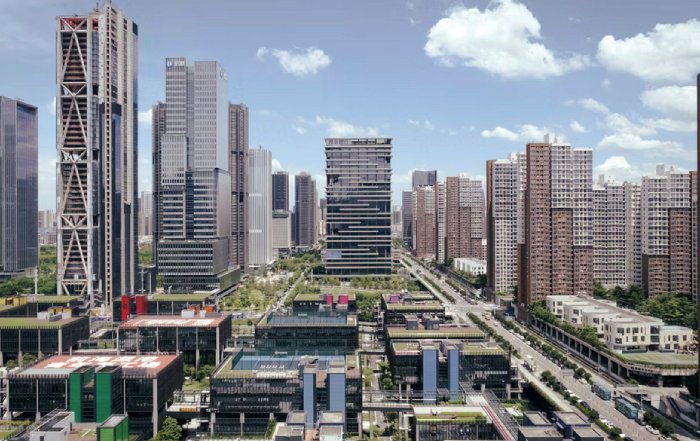
Smart Cities and the Future of Urban Living
A New Urban Era in Full Motion
The smart city is no longer a speculative vision or a pilot confined to a few high-profile districts; it has become a defining framework for how metropolitan regions across the world imagine their future and manage their present. From North America to Europe, from Asia to Africa and South America, city leaders, technologists, businesses, and communities are converging around a shared recognition that digital infrastructure, data-driven decision-making, and human-centered design are now central to the way urban life is organized. For WorldsDoor and its global readership, the evolution of smart cities is experienced not as a purely technical shift, but as a transformation that touches health, travel, culture, lifestyle, business, technology, the environment, ethics, society, education, and food, connecting the everyday concerns of residents with global debates about sustainability and equity.
In this new phase, the smart city of 2026 is defined less by the novelty of its gadgets and more by the maturity of its systems. Connectivity, artificial intelligence, clean energy, and digital governance increasingly shape daily choices, from how commuters in New York, London, or Seoul plan their journeys, to how families in Singapore, or Berlin access healthcare, learning, and social services. Each city's approach is shaped by local history, regulatory culture, economic structure, and social expectations, yet all face a common imperative: to create resilient, sustainable, and inclusive urban environments in an era of climate stress, demographic change, and geopolitical uncertainty. As readers move between WorldsDoor's coverage of technology and digital transformation and its insights into the changing world and global systems, smart cities emerge as the concrete arenas where these broad forces are negotiated and felt.
Redefining Smart Cities Beyond the Hype Cycle
The early narrative of smart cities was dominated by imagery of gleaming skyscrapers, ubiquitous surveillance cameras, and control rooms filled with screens, often promoted by large technology providers as turnkey solutions for urban problems. By 2026, that narrow view has been substantially revised. Leading institutions such as UN-Habitat and the World Bank now emphasize that smartness must be measured by outcomes in quality of life, environmental protection, and social inclusion rather than by the volume of sensors deployed or the speed of a city's 5G network. Readers who wish to understand how this broader definition has evolved can explore the frameworks on sustainable urban development offered by UN-Habitat and the applied guidance on urban resilience and governance from the World Bank's urban development resources.
In this more mature perspective, a smart city is characterized by integrated digital public services, open data ecosystems, participatory platforms for civic engagement, intelligent transport and logistics networks, and coordinated energy and water systems, all governed by robust ethical standards and cybersecurity practices. The focus has shifted decisively toward human-centered design, cultural sensitivity, and long-term sustainability, aligning the smart city agenda with global commitments such as the UN Sustainable Development Goals. This shift resonates strongly with WorldsDoor's editorial commitment to sustainable futures and ethical governance, and it informs the way the platform explores smart cities as living laboratories where technology is evaluated not only for efficiency, but for fairness, accessibility, and trustworthiness.
Urbanization, Demographic Shifts, and the Innovation Imperative
The relentless advance of urbanization continues to be a fundamental driver of smart city innovation. Projections from the United Nations Department of Economic and Social Affairs indicate that by mid-century, nearly seven in ten people will live in urban areas, with particularly rapid growth in parts of Asia and Africa, and ongoing consolidation of metropolitan regions in Europe, North America, and Latin America. Those interested in the demographic underpinnings of this transformation can review the UN World Urbanization Prospects and cross-reference them with analyses from the OECD on metropolitan regions, which highlight both productivity gains and vulnerabilities associated with dense urban systems.
Rising urban populations heighten demand for housing, transportation, energy, healthcare, education, and food, while simultaneously increasing exposure to climate risks, pandemics, and economic instability. Cities in the United States, the United Kingdom, Germany, Canada, Australia, France, Italy, Spain, the Netherlands, Switzerland, China, Sweden, Norway, Singapore, Denmark, South Korea, Japan, Thailand, Finland, South Africa, Brazil, Malaysia, and New Zealand are responding by deploying digital twins, predictive analytics, and integrated planning tools to manage growth more intelligently and anticipate shocks. For readers following WorldsDoor's coverage of society and social change, smart cities provide a powerful vantage point from which to examine evolving notions of citizenship, governance, and community, as urban dwellers demand greater voice in how their cities evolve and how digital systems shape their lives.
Digital Infrastructure as the Urban Nervous System
At the core of every smart city in 2026 lies a sophisticated but largely invisible digital infrastructure that functions as its nervous system, enabling continuous flows of information between devices, platforms, and people. High-capacity fiber networks, 5G and emerging 6G deployments, edge computing nodes, and cloud data centers allow massive volumes of data to be processed near real time, supporting applications ranging from adaptive traffic control and smart grids to telemedicine and digital payments. Global industry players such as Cisco, Siemens, Huawei, and Nokia, along with a diverse ecosystem of regional providers and startups, are working to standardize interfaces and ensure interoperability across borders. Those who wish to delve into the technical foundations of these networks can explore reports from the International Telecommunication Union and market analyses from the GSMA on mobile connectivity, which outline evolving standards, spectrum policies, and architectural innovations.
Yet the sophistication of digital infrastructure only gains meaning when it translates into tangible improvements for residents and businesses. Cities such as Amsterdam, Seoul, Toronto, and Barcelona have expanded open data portals, real-time service dashboards, and participatory platforms that allow citizens, researchers, and entrepreneurs to build applications on top of municipal data, enhancing transparency while stimulating local innovation. For WorldsDoor readers who follow innovation and entrepreneurial ecosystems, the interplay between public digital infrastructure and private creativity is central to understanding how smart cities become engines of new services, startups, and jobs, and how governance decisions about data access can either catalyze or constrain this innovation.
Mobility, Travel, and the Reimagining of Urban Movement
Urban mobility remains one of the most visible and transformative fronts in the smart city agenda. By 2026, integrated mobility-as-a-service platforms in cities such as London, Singapore, Los Angeles, and Sydney allow users to plan, book, and pay for multimodal journeys that weave together metro, buses, trams, bike-sharing, car-sharing, on-demand shuttles, and increasingly, autonomous or semi-autonomous vehicles. These platforms rely on real-time data, dynamic pricing, and sophisticated algorithms to balance demand, reduce congestion, and cut emissions. Those seeking to understand the policy and planning frameworks behind such systems can examine resources from the International Transport Forum and the case studies assembled by the C40 Cities network, which document how leading cities are aligning mobility innovation with climate goals.
For travelers and residents alike, mobility in smart cities is not only about efficiency, but also about accessibility, comfort, and experience. Location-aware applications provide live information on cultural events, restaurant availability, and neighborhood safety, while digital translation tools and augmented reality guides help visitors navigate unfamiliar environments and engage more deeply with local culture. The relationship between smart urban infrastructure and global tourism is becoming more symbiotic, as cities curate digital layers that complement their physical attractions and services. Readers interested in these intersections can explore WorldsDoor's coverage of travel and destination experiences, where the integration of mobility platforms, hospitality services, and cultural offerings illustrates how technology can enhance discovery while also raising questions about overtourism, local identity, and privacy.
Health, Wellbeing, and Resilient Urban Systems
The experience of the COVID-19 pandemic continues to shape how cities think about health, resilience, and data. By 2026, many smart city strategies incorporate health as a central pillar rather than a specialized domain, integrating environmental monitoring, telehealth, and predictive analytics into broader urban management systems. Air quality sensors, heat and humidity monitors, wastewater surveillance, and syndromic data from clinics and pharmacies inform early warnings and targeted interventions in cities across Europe, Asia, North America, and beyond. Those who wish to understand the global policy context can refer to the World Health Organization's work on urban health and healthy cities and to guidance from the Centers for Disease Control and Prevention on how environmental and mobility factors shape disease patterns.
Smart health initiatives are increasingly oriented toward prevention, mental wellbeing, and equitable access to care. Urban planners, public health authorities, and community organizations collaborate to design neighborhoods that promote active lifestyles, with walkable networks, cycling infrastructure, green corridors, and public spaces that are supported by digital tools nudging residents toward healthier routines. Telemedicine platforms, remote diagnostics, and AI-assisted triage systems are being integrated into public health systems from Toronto to Tokyo, reducing barriers for rural and low-income populations connected to metropolitan hubs. For WorldsDoor readers following health and wellness, smart cities exemplify how built environments, social policies, and digital services can combine to redefine what it means to live in a healthy city, and how trust, data security, and inclusivity remain foundational to that vision.
Sustainability, Climate Action, and the Green Urban Imperative
Climate change has firmly established itself as a central driver of urban strategy, and smart cities are increasingly judged by their ability to reduce emissions, adapt to climate impacts, and regenerate ecosystems. European leaders such as Copenhagen, Stockholm, and Zurich continue to pursue climate-neutral or climate-positive targets, leveraging digital tools to optimize district heating, manage microgrids, and monitor emissions at the building and neighborhood level, while megacities such as Shanghai, Tokyo, New York City, and Mumbai are scaling up electrification of transport, integrating rooftop solar and storage, and deploying analytics to model flood risks and heat islands. Readers who wish to deepen their understanding of these strategies can consult assessments by the Intergovernmental Panel on Climate Change and policy analysis from the International Energy Agency, which outline the technical and economic pathways for urban decarbonization.
Smart waste systems, sensor-enabled water networks, and nature-based solutions supported by data analytics are now standard features in many leading cities. Sensors detect leaks in water distribution, optimize irrigation in parks, and monitor the health of urban forests, while digital platforms engage citizens in recycling, energy conservation, and low-carbon mobility through incentives and gamified feedback. For WorldsDoor, whose editorial focus includes the environment and ecological resilience and the broader practice of sustainable living, smart cities provide concrete examples of how technology can be aligned with environmental stewardship, but they also highlight persistent questions about who bears the costs of transition, how benefits are distributed, and how to ensure that climate resilience does not become a privilege of wealthier districts or countries.
Data, Ethics, and the Foundations of Trust
As urban systems become more deeply instrumented and algorithmically managed, the ethical and legal dimensions of data governance have moved to the center of the smart city debate. The proliferation of cameras, sensors, biometric systems, and predictive analytics in domains such as policing, welfare allocation, and credit scoring has triggered intense discussion across democracies and more centralized regimes alike. Regulatory frameworks such as the European Union's General Data Protection Regulation (GDPR) and the emerging EU Artificial Intelligence Act are shaping how cities in Europe and beyond handle personal data, algorithmic transparency, and risk classification, while civil society organizations and think tanks argue for data trusts, digital commons, and stronger community oversight. Those interested in the evolving regulatory landscape can explore guidance from the European Data Protection Supervisor and thought leadership from the World Economic Forum on data governance and digital trust.
Trust has become a critical currency in smart cities, determining whether residents are willing to share their data, adopt new services, or accept algorithmic decision-making in areas that affect their rights and livelihoods. Transparent communication about data use, accessible consent mechanisms, independent audits, and participatory design processes are increasingly recognized as essential components of legitimate smart city programs. For WorldsDoor readers, this ethical dimension aligns with the platform's sustained attention to ethics, rights, and responsible innovation, inviting reflection on how different political cultures-from North America and Europe to Asia, Africa, and South America-balance security, innovation, and civil liberties, and how local histories of inequality and discrimination shape perceptions of digital governance.
Business Models, Investment, and the Urban Innovation Economy
Smart cities are also major economic projects, involving complex constellations of public authorities, multinational corporations, local enterprises, and investors. The global market for smart city solutions continues to attract technology giants such as IBM, Microsoft, and Alphabet, alongside infrastructure providers, telecom operators, and a vibrant startup sector specializing in fields such as urban analytics, proptech, mobility-as-a-service, energy management, and civic technology. Investment flows from municipal budgets, sovereign wealth funds, development finance institutions, and private equity are reshaping urban districts, with innovation corridors, living labs, and regulatory sandboxes appearing in cities from Berlin, Paris, and Amsterdam to Singapore, Sydney, and Vancouver. Those seeking a structured overview of these trends can explore insights from the World Economic Forum and analytical reports from the McKinsey Global Institute, which examine the productivity and competitiveness implications of smart urban investments.
However, the commercialization of urban data and services raises fundamental questions about ownership, accountability, and long-term public value. Debates around high-profile initiatives, including the former Sidewalk Labs project in Toronto and subsequent smart district proposals in Europe and Asia, have underscored the risks of asymmetrical power between global technology firms and municipal governments, as well as the importance of transparent procurement, community benefit agreements, and clear rules on intellectual property. For readers following WorldsDoor's coverage of business, strategy, and entrepreneurship, smart cities illustrate both the opportunities of an expanding urban innovation economy and the governance challenges of ensuring that digital infrastructure remains a public asset rather than a private enclave.
Culture, Lifestyle, and the Human Texture of Smart Cities
Beyond infrastructure and investment, smart cities are ultimately defined by the lived experiences of their residents and visitors, encompassing culture, lifestyle, and the subtle ways in which digital layers reshape everyday interactions. Cultural institutions in cities such as Paris, Rome, Barcelona, Tokyo, and Melbourne are expanding their use of immersive technologies, digital archives, and virtual or hybrid exhibitions, allowing global audiences to engage with art and heritage while maintaining strong local roots. Neighborhood platforms and community apps are being used to coordinate events, share resources, and preserve traditions, ensuring that digitalization does not erase the distinct character of each district. Those interested in these dynamics can explore WorldsDoor's reflections on culture and creativity, where the tension between global connectivity and local identity is a recurring theme.
Lifestyle patterns continue to evolve as remote and hybrid work arrangements, on-demand services, and smart home technologies change the relationship between private and public space. Co-working hubs, maker spaces, and mixed-use developments are redefining central business districts, while residential neighborhoods in cities from Berlin and Amsterdam to Bangkok and Seoul are adapting to new rhythms of daytime activity. For readers exploring lifestyle trends and urban living, the smart city offers a compelling lens through which to understand how digital services influence social networks, leisure, and wellbeing, and how communities negotiate the balance between convenience and dependency, connectivity and disconnection.
Education, Skills, and the Smart City Workforce
The evolution of smart cities depends as much on human capabilities as on technical infrastructure. Universities, vocational schools, and online learning platforms have expanded their offerings in urban analytics, data science, sustainable architecture, digital governance, and civic innovation, often in close partnership with municipal authorities and industry. Cities such as Boston, Munich, Singapore, Vancouver, and Stockholm are positioning themselves as global hubs for urban innovation by integrating research campuses, startup ecosystems, and policy testbeds into their planning. Those who wish to understand the skills required for the next generation of city builders can consult the work of the UNESCO Institute for Lifelong Learning and the OECD's analyses on education and skills, which emphasize interdisciplinary competence, critical thinking, and digital literacy.
For WorldsDoor, which dedicates a core section to education and learning, the smart city is a living classroom where residents of all ages can engage with real-world challenges, from climate adaptation and circular economy initiatives to digital rights and social inclusion. Community labs, hackathons, and citizen science projects are increasingly embedded in urban strategies, giving residents in cities across Europe, Asia, Africa, and the Americas opportunities to co-create solutions, gain practical experience, and build trust in public institutions and technologies.
Food Systems, Urban Agriculture, and Local Resilience
Food systems, often overlooked in early smart city narratives, have become a critical focus as cities confront supply chain disruptions, climate volatility, and growing awareness of nutrition and sustainability. By 2026, vertical farms, rooftop greenhouses, and controlled-environment agriculture are integrated into smart district plans in cities such as Singapore, New York, Rotterdam, and Tokyo, supported by sensors, automation, and AI-based optimization that reduce water and energy use while ensuring consistent yields. Readers who wish to explore broader strategies for sustainable food systems can consult the Food and Agriculture Organization of the United Nations and research from the Ellen MacArthur Foundation on circular food systems, which highlight ways to reduce waste, regenerate soils, and shorten supply chains.
Digital platforms connect producers, retailers, restaurants, and consumers, improving transparency, enabling dynamic pricing to reduce waste, and supporting local and regional food networks. For WorldsDoor readers following food, gastronomy, and nutrition, smart cities provide an arena where culinary traditions and community food cultures interact with technological experimentation, from AI-assisted menu design and personalized nutrition applications to neighborhood-level initiatives that promote plant-based diets, reduce packaging, and celebrate local ingredients as part of a broader sustainability agenda.
A Holistic, Human-Centered Vision for Urban Futures
As 2026 unfolds, it becomes increasingly evident that the success of smart cities will not be determined solely by the sophistication of their technology, but by the wisdom, accountability, and inclusiveness with which those technologies are deployed. The most promising smart cities are not showcases of digital spectacle, but places where innovation is quietly embedded in daily life, improving access to services, strengthening resilience, and enriching cultural and social experiences. Achieving this vision requires continuous dialogue among policymakers, businesses, technologists, academics, and citizens, as well as a willingness to confront trade-offs, acknowledge failures, and learn across regions and cultures.
For WorldsDoor, the story of smart cities is inherently interconnected with its core editorial domains of health, travel, culture, lifestyle, business, technology, environment, innovation, sustainability, ethics, society, education, and food, and with the diverse geographies that shape its audience, from the United States and the United Kingdom to Germany, Canada, Australia, France, Italy, Spain, the Netherlands, Switzerland, China, Sweden, Norway, Singapore, Denmark, South Korea, Japan, Thailand, Finland, South Africa, Brazil, Malaysia, New Zealand, and beyond. As the platform continues to explore these themes, each article and analysis contributes to a broader conversation about how urban communities can open new doors to more sustainable, equitable, and inspiring futures. Readers engaging with WorldsDoor's global platform are invited to see themselves not only as observers of smart city developments, but as active participants and co-creators in the evolving narrative of urban living in the twenty-first century.