

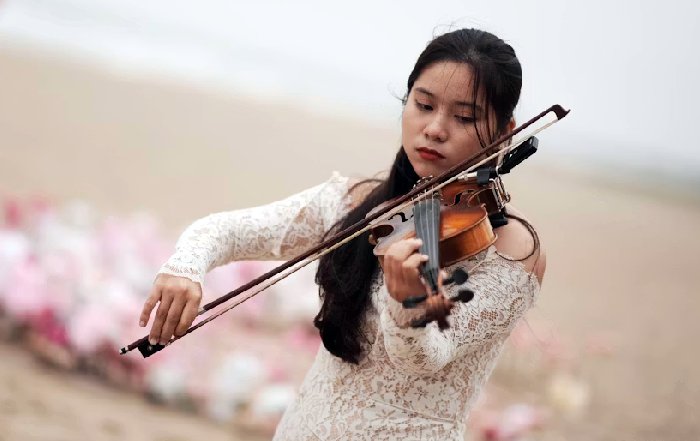
The Renaissance of Classical Music in South Korea
A New Cultural Powerhouse in Global Classical Music
South Korea has emerged as one of the most dynamic centers of classical music in the world, reshaping long-standing assumptions about where artistic authority, creative innovation, and audience growth originate. Once seen primarily as an importer of Western musical traditions, the country now stands at the forefront of performance excellence, music education, digital innovation, and cultural diplomacy, with a level of influence that rivals long-dominant hubs such as Vienna, Berlin, London, and New York. For WorldsDoor.com, which explores the intersections of culture, society, education, and innovation across continents, the renaissance of classical music in South Korea offers a compelling lens on how a nation can reimagine its identity through art while building a trusted, globally recognized cultural brand.
This transformation is not accidental. It reflects decades of investment in education, deliberate cultural policy, strategic use of technology, and a distinctive blend of Confucian discipline and modern creative ambition. South Korea's classical music ecosystem now extends from conservatories and concert halls to streaming platforms, international competitions, and cross-genre collaborations, creating a networked cultural economy that speaks simultaneously to audiences in Seoul, Berlin, New York, and São Paulo. As global organizations from UNESCO to Carnegie Hall increasingly acknowledge the country's contributions, South Korea's classical music scene is reshaping global standards of excellence and redefining the geography of high culture.
Historical Foundations: From Adoption to Mastery
The roots of South Korea's classical music renaissance lie in a deliberate and relatively rapid process of cultural adoption that began in the late nineteenth and early twentieth centuries and accelerated after the Korean War. Western classical music, introduced through missionaries, foreign schools, and military bands, initially coexisted with traditional forms such as gugak and pansori. Over time, however, classical music became associated with education, social mobility, and global sophistication, aligning closely with the country's broader modernization agenda and its drive to rebuild after conflict and poverty.
By the late twentieth century, South Korea had established a dense network of music schools and university departments, often modeled on European conservatories but adapted to local educational norms. Institutions such as the Korea National University of Arts, the Seoul National University College of Music, and the Yonsei University College of Music became central pillars in this ecosystem, nurturing a generation of musicians who would go on to study at leading institutions like the Juilliard School, the Royal College of Music, and the Hochschule für Musik Hanns Eisler in Berlin. This dual exposure-to rigorous domestic training and elite international environments-created a feedback loop that raised performance standards at home while enhancing the global visibility of Korean artists.
The historical trajectory of South Korean classical music also reflects broader geopolitical changes. As the country integrated more deeply into global trade, technology, and cultural networks, its artists gained easier access to international competitions, festivals, and masterclasses. Platforms such as the World Federation of International Music Competitions and organizations like European Concert Hall Organisation offered increasing opportunities for Korean musicians to compete and perform, reinforcing the perception of South Korea as a fertile ground for virtuosity and discipline. Over time, this led not only to individual success stories but to a collective reputation that has reshaped casting decisions, orchestra recruitment, and programming choices in major cultural capitals.
Education, Discipline, and the Making of World-Class Talent
A defining feature of South Korea's classical music renaissance is the extraordinary depth of its talent pipeline. From a young age, many Korean children receive intensive musical training, often beginning with piano or violin and progressing through structured programs that combine technical rigor with performance experience. While this system has occasionally been criticized for its pressure and competitiveness, it has also produced a remarkable number of world-class performers whose achievements underscore the country's commitment to excellence and its deep cultural investment in education.
The stories of artists such as Cho Seong-Jin, who won the Chopin International Piano Competition, and Lim Yun-chan, who captured global attention at the Van Cliburn International Piano Competition, have become emblematic of this phenomenon. Their success is not an isolated occurrence but part of a broader pattern in which Korean musicians routinely excel at prestigious events like the Queen Elisabeth Competition, the Tchaikovsky Competition, and the Leeds International Piano Competition, helping to set new benchmarks for technical mastery and interpretive depth. Observers following these developments through platforms such as Gramophone and BBC Music Magazine have come to recognize South Korea as a leading incubator of classical talent.
Behind these individual triumphs lies an educational infrastructure that blends private instruction, specialist arts high schools, university programs, and international study. Many families invest heavily in private lessons and overseas training, viewing music not only as an artistic pursuit but also as a pathway to global recognition and cultural capital. At the same time, public institutions have expanded their offerings, with city and provincial governments supporting youth orchestras, community music centers, and scholarship schemes designed to democratize access to high-level training. As WorldsDoor.com has observed in its coverage of education and society, this combination of private ambition and public support has become a hallmark of South Korea's broader development model.
Concert Halls, Orchestras, and the Architecture of Cultural Prestige
The physical infrastructure of classical music in South Korea has evolved in parallel with its educational and artistic capacities. Over the past two decades, Seoul and other major cities have invested in concert halls, opera houses, and cultural complexes that rival those of leading European and North American centers, signaling a clear intention to position the country as a global cultural destination. Venues such as the Seoul Arts Center, the Lotte Concert Hall, and the Busan Cultural Center have become architectural symbols of this ambition, combining world-class acoustics with design elements that reflect both modernist aesthetics and local identity.
These venues support a growing ecosystem of orchestras and ensembles, including the Seoul Philharmonic Orchestra, the KBS Symphony Orchestra, and the Busan Philharmonic Orchestra, many of which collaborate regularly with guest conductors and soloists from Europe, North America, and beyond. International partnerships with organizations such as the Berlin Philharmonic, the New York Philharmonic, and the London Symphony Orchestra have further strengthened South Korea's cultural ties with established music capitals, facilitating artist exchanges, joint tours, and educational initiatives. Audiences following these developments through institutions like Carnegie Hall and the Berlin Philharmonic Digital Concert Hall increasingly encounter Korean musicians and Korean venues as integral parts of the global classical landscape.
From a business and policy perspective, these investments reflect a strategic understanding of culture as both soft power and economic asset. Concert halls serve not only as artistic venues but also as catalysts for urban regeneration, tourism, and creative industries, aligning with broader efforts to position South Korea as a premier destination for travel and culture in Asia and beyond. Cities such as Seoul, Busan, and Daegu have leveraged classical music festivals and international events to attract visitors from the United States, Europe, and across Asia, integrating performances with culinary experiences, heritage tourism, and contemporary arts to create holistic cultural itineraries.
Digital Transformation: Streaming, Platforms, and Global Reach
The renaissance of classical music in South Korea cannot be understood without considering the country's leadership in digital technology and connectivity. With some of the world's fastest internet infrastructure and highly tech-savvy consumers, South Korea has been uniquely positioned to harness digital platforms for the creation, distribution, and monetization of classical music content. This digital fluency has allowed Korean artists and institutions to reach global audiences far beyond the physical capacity of their concert halls, particularly during and after the COVID-19 pandemic, when streaming became a lifeline for performers and audiences alike.
Major Korean orchestras and venues now routinely livestream concerts and archive performances on platforms such as YouTube, Naver, and specialized classical streaming services, enabling listeners in New York, London, Berlin, and Sydney to experience Korean performances in real time. International audiences can explore these developments through resources like Medici.tv and Idagio, where Korean musicians feature prominently in curated playlists, live broadcasts, and exclusive recordings. This digital presence has helped normalize the idea that high-quality classical performance is not confined to traditional Western centers, but is instead part of a global, networked ecosystem in which Seoul plays a leading role.
For WorldsDoor.com, which closely follows technology and innovation and their impact on culture and business, South Korea's integration of digital tools into classical music offers a case study in how creative industries can adapt to new consumption patterns while preserving artistic integrity. Korean ensembles have experimented with interactive formats, virtual reality experiences, and hybrid events that combine live and online participation, reflecting a broader shift toward audience-centric, data-informed cultural strategies. This digital sophistication not only enhances accessibility but also contributes to transparency and trust, as audiences can directly experience the quality and consistency of performances, educational programs, and institutional practices.
Cultural Synthesis: Tradition, Modernity, and Cross-Genre Experimentation
One of the most distinctive aspects of South Korea's classical music renaissance is its engagement with the country's own traditional heritage and its willingness to experiment across genres. Rather than treating Western classical music as a static canon to be preserved, many Korean composers and performers have sought to reinterpret it through local sensibilities, integrating elements of gugak, folk melodies, and rhythmic patterns into contemporary works. This synthesis creates a unique sound world that resonates with domestic audiences while intriguing listeners abroad, who encounter in Korean compositions a fresh perspective on familiar forms.
Composers such as Unsuk Chin, whose works are championed by leading ensembles and documented by institutions like Boosey & Hawkes, exemplify this fusion of global modernism and Korean identity. Their music often appears on programs alongside European and American contemporaries, positioning Korean creative voices at the heart of contemporary classical discourse. At the same time, collaborations between classical musicians and artists from K-pop, film, and contemporary art reflect a broader cultural ecosystem in which boundaries between genres are increasingly porous. These cross-disciplinary projects appeal to younger audiences who might first encounter classical instruments through film soundtracks, game scores, or crossover albums, aligning with global trends documented by organizations such as IFPI and MIDiA Research.
The interplay between tradition and innovation extends beyond composition into performance practice, staging, and audience engagement. Some Korean ensembles have experimented with immersive concert formats, multimedia projections, and thematic programming that connects classical repertoire with issues such as climate change, mental health, and social cohesion, echoing conversations highlighted in World Health Organization reports on culture and well-being. As WorldsDoor.com explores in its coverage of health and lifestyle, these initiatives underscore the role of music not only as entertainment but as a tool for emotional resilience, community building, and intercultural understanding.
Business Models, Sponsorship, and Sustainable Growth
Behind the artistic achievements of South Korea's classical music sector lies a complex web of business models, sponsorship arrangements, and policy frameworks that collectively support its sustainability. Corporate patronage plays a significant role, with major conglomerates such as Samsung, Hyundai, and LG sponsoring orchestras, festivals, and scholarship programs as part of their broader corporate social responsibility strategies. These partnerships often extend beyond simple branding to include co-developed educational initiatives, digital platforms, and international tours, reflecting a sophisticated understanding of culture as a strategic asset in global branding and stakeholder engagement.
Government support, coordinated through bodies like the Ministry of Culture, Sports and Tourism and the Korea Arts Management Service, complements private funding by providing grants, infrastructure investment, and international promotion. Policy frameworks are informed in part by global best practices, which can be explored through resources such as the OECD's work on culture and local development and UNCTAD's creative economy reports, and adapted to Korea's specific social and economic context. This combination of public and private support has enabled long-term planning, allowing institutions to invest in artist development, audience outreach, and innovation rather than relying solely on short-term ticket revenue.
From a sustainability perspective, there is growing awareness in South Korea of the need to align cultural practices with environmental and social responsibility. Orchestras and venues are increasingly attentive to issues such as carbon-conscious touring, green building standards, and inclusive programming, echoing global trends documented by organizations like the UN Environment Programme. For readers interested in how cultural sectors integrate sustainability into their operations, WorldsDoor.com offers dedicated analysis on sustainable and ethical practices and business strategy, situating South Korea's classical music institutions within a broader movement toward responsible cultural leadership.
Global Influence, Soft Power, and Cultural Diplomacy
South Korea's classical music renaissance has significant implications for global cultural diplomacy and soft power. Alongside K-pop, film, and television dramas, classical music has become an important vector through which the country projects a sophisticated, multifaceted image to the world, reinforcing its status as a technologically advanced, culturally rich democracy. Tours by Korean orchestras, residencies by star soloists, and co-productions with leading European and North American institutions function as high-value diplomatic tools, fostering goodwill, dialogue, and mutual understanding across regions.
International organizations and think tanks, including the Soft Power 30 initiative and research groups at Harvard Kennedy School and King's College London, have increasingly noted the role of culture in shaping perceptions of national credibility and trustworthiness. In this context, the discipline, artistry, and professionalism displayed by Korean classical musicians contribute to a narrative of reliability and excellence that extends beyond the arts into areas such as business, technology, and education. For countries in Europe, North America, and Asia, collaborations with Korean cultural institutions offer not only artistic value but also strategic partnerships that align with broader diplomatic and economic goals.
This global reach is evident in the prominence of Korean artists at major festivals such as the Salzburg Festival, the BBC Proms, and the Lucerne Festival, where their performances attract audiences from across Europe, the United States, and Asia. Coverage by outlets like The New York Times Arts and The Guardian Culture has further amplified their visibility, contributing to a virtuous cycle in which international acclaim reinforces domestic support and vice versa. In this way, South Korea's classical music sector exemplifies how cultural excellence can underpin a nation's broader global strategy, creating intangible assets that complement trade, technology, and geopolitical alliances.
Audience Evolution: Demographics, Access, and Social Impact
As classical music has flourished in South Korea, the profile of its audiences has evolved. While traditional concertgoers-often older, highly educated, and urban-remain important, there has been a concerted effort to attract younger and more diverse listeners through educational programs, outreach concerts, and digital engagement. Initiatives such as school visits, youth ticket schemes, and family concerts have helped normalize classical music as part of everyday cultural life, rather than as a niche or elite activity. This aligns with global research, including studies by the National Endowment for the Arts and the British Council, which emphasize early exposure and inclusive programming as key drivers of long-term cultural participation.
The social impact of these efforts extends beyond audience numbers. Classical music education has been linked to cognitive development, emotional regulation, and social cohesion, themes that resonate strongly with readers interested in health, lifestyle, and society. Community-based programs in cities across South Korea use orchestral training and ensemble playing to engage underprivileged youth, foster teamwork, and build confidence, echoing international models such as El Sistema in Venezuela. These initiatives demonstrate how classical music can function as a tool for social inclusion and upward mobility, complementing broader policies aimed at reducing inequality and strengthening community bonds.
At the same time, South Korean institutions are increasingly attentive to issues of mental health and work-life balance within the highly demanding world of professional music. Conversations around performance anxiety, burnout, and the pressures of competition have become more open, supported by research from organizations like the American Psychological Association and health authorities in Europe and Asia. By integrating wellness programs, counseling, and more flexible career pathways into their operations, Korean conservatories and orchestras are beginning to model more sustainable professional cultures, reinforcing their commitment to trustworthiness and long-term artistic vitality.
Moving Onwards with Challenges, Opportunities, and Global Lessons
Despite its impressive achievements, South Korea's classical music sector faces a range of challenges that will shape its trajectory in the coming decade. Demographic shifts, including an aging population and lower birth rates, may affect audience size and the pool of young musicians. Economic uncertainties and shifts in corporate priorities could influence sponsorship levels, while global competition for cultural attention continues to intensify as new hubs emerge in China, Southeast Asia, and Latin America. Moreover, the rapid pace of technological change raises questions about how classical institutions can remain relevant to digitally native audiences without diluting artistic depth.
Addressing these challenges will require continued innovation in programming, business models, and education, areas that WorldsDoor.com will continue to monitor across its excellent editorial coverage of world trends and innovation. Hybrid performance formats, data-driven audience insights, and cross-sector partnerships with technology firms, health providers, and educational institutions are likely to play an increasingly important role. There is also growing potential for deeper collaboration between classical music and fields such as environmental advocacy, where artists can contribute to public engagement on sustainability issues, complementing initiatives discussed on environment and ethics.
For global audiences and policymakers, South Korea's experience offers valuable lessons. It demonstrates how sustained investment in education, infrastructure, and international exchange can transform a country from a cultural consumer into a cultural leader within a few generations. It shows that classical music, far from being an obsolete or exclusively Western art form, can thrive in new contexts when integrated thoughtfully into local values, social priorities, and technological ecosystems. Most importantly, it underscores the enduring power of artistic excellence, discipline, and creativity to build trust, foster dialogue, and open doors between societies-values that align closely with the mission of WorldsDoor.com to connect readers with the most meaningful cultural and societal developments across the globe.
As the world moves further into the 2020s, observers in the United States, Europe, Asia, Africa, and the Americas will continue to watch South Korea's classical music scene not merely as a curiosity, but as a bellwether for the future of global high culture. Whether in the concert halls of Seoul, the streaming platforms accessed from Toronto or Melbourne, or the festival stages of Berlin and Edinburgh, the voices, instruments, and ideas emerging from this renaissance are reshaping how classical music is created, shared, and valued. In doing so, they invite audiences everywhere to reconsider what it means for a nation to be a cultural leader in the twenty-first century, and how art can continue to bridge worlds in an era of rapid change.