

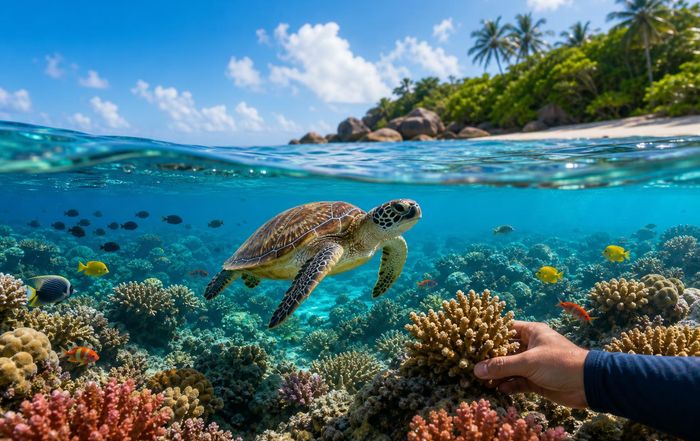
What Travelers Should Know About Protecting Coral Reefs
Coral reefs sit beneath many of the world's most popular beaches and snorkeling spots, yet they are among the most fragile ecosystems on the planet. For friendly travelers, the paradox is uncomfortable: tourism can fund reef conservation and provide livelihoods for coastal communities, but unmanaged tourism can also accelerate reef damage through pollution, careless recreation, and climate-intensive travel choices. Understanding how reefs work, why they are under pressure, and what practical steps visitors can take is no longer a niche concern for divers; it is becoming part of responsible global travel.
Why Coral Reefs Matter Far Beyond the Beach
Coral reefs occupy less than 1% of the ocean floor but are estimated by the UN Environment Programme and others to support around a quarter of all marine species, making them hotspots of biodiversity and a foundation for ocean food webs. They provide spawning grounds, shelter, and feeding areas for fish and invertebrates that in turn support fisheries relied on by hundreds of millions of people, particularly in tropical coastal regions. For many island and coastal communities, reefs are a primary source of protein, income, and cultural identity, not just a scenic backdrop for tourists.
Economically, reefs are also major engines of tourism. The World Bank and UN World Tourism Organization estimate that coral reef tourism generates billions of dollars annually through diving, snorkeling, boating, and coastal hospitality industries. Healthy reefs attract visitors, raising local incomes and tax revenues that, in the best cases, can be reinvested in conservation, infrastructure, and education. At the same time, reefs act as natural breakwaters that help protect shorelines from storms and erosion, a function that is becoming more critical as sea levels rise and extreme weather events intensify.
From a planetary perspective, coral reefs are often described as the "rainforests of the sea" because of their productivity and complexity. While they are not major carbon sinks compared with mangroves or seagrasses, their health is tightly linked with broader ocean resilience. Damage to reefs can trigger cascading effects: declines in fisheries, loss of coastal protection, and reduced tourism income can combine to push vulnerable communities into economic crisis. For travelers who care about sustainable and ethical tourism, reefs are therefore not simply a beautiful bonus on a tropical holiday; they are central to the social, environmental, and economic fabric of many destinations.
The Main Threats: Climate, Pollution, and Tourism Pressure
The most serious threat to coral reefs is climate change. Corals live in a narrow temperature range, and prolonged warming events can cause coral bleaching, where corals expel the symbiotic algae (zooxanthellae) that provide them with food and their vivid colors. According to the National Oceanic and Atmospheric Administration (NOAA), mass bleaching events have become more frequent and severe over the past three decades, affecting iconic systems such as Australia's Great Barrier Reef and reefs in the Caribbean, Southeast Asia, and the Indian Ocean. Even when corals survive bleaching, they can suffer reduced growth and reproduction, leaving reefs more vulnerable to disease and storm damage.
Ocean acidification, driven by the absorption of atmospheric CO₂, further weakens reef structures by making it harder for corals to build their calcium carbonate skeletons. This slower-moving but relentless process is tracked by bodies such as the Intergovernmental Panel on Climate Change (IPCC), which warns that even small additional increases in global average temperature significantly raise the risk of widespread reef loss. For travelers, this means that the long-term survival of many favorite reef destinations is linked to global climate policies far beyond the control of any individual visitor, but personal choices still matter as part of broader demand for low-carbon options.
Closer to shore, land-based pollution is a major driver of reef decline. Runoff from agriculture and urban areas can carry nutrients, sediments, and chemicals into coastal waters, fueling algal blooms that smother corals and reducing water clarity so that light cannot penetrate effectively. Untreated sewage and plastic waste compound the problem. Organizations such as the United Nations Environment Programme (UNEP) and UNESCO (UNESCO) have documented how poor coastal development and inadequate waste management can undermine even well-managed marine protected areas. Tourism developments that clear mangroves, dredge channels, or build too close to the waterline can accelerate erosion and disrupt natural sediment flows.
Tourism itself is a mixed influence. On the one hand, visitor fees, dive permits, and conservation levies can provide vital funding for marine parks, research, and enforcement. On the other, overcrowded snorkeling sites, careless anchoring by boats, and direct physical contact by swimmers and divers can cause localized but intense damage. Repeated fin kicks, standing on coral, collecting souvenirs, and feeding fish can break fragile structures and alter local ecosystems. Chemical pollution from certain sunscreens and boat fuels adds another layer of stress. For travelers, the key is not to avoid reefs entirely, but to understand how to minimize their footprint and support operators and policies that prioritize long-term reef health.
Understanding Coral-Safe Sunscreen and Skin Protection
The debate around sunscreen and coral reefs has gained global attention in recent years, with several destinations introducing restrictions or bans on certain products. Research cited by authorities such as the US National Park Service (NPS) and the International Coral Reef Initiative (ICRI) suggests that some common sunscreen ingredients, including oxybenzone and octinoxate, can contribute to coral bleaching and disrupt coral reproduction at very low concentrations under laboratory conditions. In response, places like Hawaii, Palau, and parts of Mexico have passed regulations limiting or banning sunscreens containing specified chemicals, although enforcement and specific ingredient lists vary by jurisdiction.
For travelers, the practical question is how to protect skin from harmful UV radiation without adding avoidable stress to marine ecosystems. One approach is to prioritize physical barriers: wearing long-sleeved rash guards, leggings, wide-brimmed hats, and using umbrellas or shade structures can significantly reduce the amount of sunscreen needed. This strategy is particularly useful for children and for people spending long periods in the water, such as snorkelers and surfers. It also helps reduce the risk of sunburn in regions with strong UV indexes, which is important for overall health during travel.
When sunscreen is necessary, many marine scientists and conservation organizations recommend choosing products labeled "reef-safe" or "reef-friendly" with caution, because these terms are not consistently regulated. As a rule of thumb, mineral sunscreens that use non-nano zinc oxide or titanium dioxide as active ingredients are generally considered less harmful to corals than many chemical filters, though even these may have environmental impacts if used excessively. Checking local guidance from marine parks, tourism boards, or NGOs can be helpful; for example, some protected areas provide lists of recommended products or on-site information panels explaining which ingredients to avoid.
Travelers should also consider how and when they apply sunscreen. Applying it well before entering the water allows more of the product to bind to the skin rather than rinsing off immediately. Avoiding aerosol sprays near the shoreline reduces the amount of product that ends up directly in the sand and water. Ultimately, while sunscreen is only one of many pressures on reefs, it is a relatively simple area where individual behavior can make a tangible difference, particularly at heavily visited sites where thousands of swimmers enter the water each day.
Responsible Snorkeling, Diving, and Boating
For many visitors, the most memorable reef experiences come from snorkeling or scuba diving, but these are also the activities where small mistakes can cause direct physical damage. Marine agencies such as NOAA, PADI (padi.com), and the Great Barrier Reef Marine Park Authority (gbrmpa.gov.au) emphasize a few core principles: avoid touching the reef, maintain good buoyancy control, and keep a safe distance from marine life. Even light contact from fins or equipment can break living coral, which grows slowly and may take years to recover.
Good preparation starts before entering the water. Choosing a mask and fins that fit properly, practicing swimming techniques, and understanding basic hand signals can reduce panic and flailing once in the sea. For divers, refresher courses and buoyancy-control workshops are valuable, especially if it has been a while since the last dive. Many reputable operators provide clear briefings that explain local regulations, sensitive species to watch for, and how to avoid damaging contact. Selecting companies that invest time in these briefings is one of the simplest ways to support better practices; it is also a sign that the operator values long-term reef health over rushing through as many trips as possible.
Boat behavior is another critical factor. Anchors dropped on coral can cause widespread destruction, so look for operators who use mooring buoys or anchor only in designated sandy areas. Some marine parks require permits and limit the number of boats at popular sites to reduce crowding; while this can mean higher prices or stricter time slots, it usually reflects an effort to balance tourism with conservation. Travelers can ask directly how operators manage waste, fuel, and anchoring, and choose those who demonstrate clear environmental policies. This sort of informed consumer choice aligns with broader sustainable travel principles and helps shift the market towards more responsible practices.
Behavior around wildlife also matters. Chasing turtles, touching rays, feeding fish, or surrounding a single animal with multiple swimmers can cause stress and alter natural behavior. Many marine parks and organizations such as the World Wide Fund for Nature (WWF) and The Nature Conservancy (nature.org) encourage a "look but don't touch" ethic, maintaining a respectful distance and allowing animals to approach on their own terms. Underwater photography should follow the same principle: getting the perfect image is not worth harassing or cornering wildlife. In some regions, drones are also regulated near marine reserves to protect nesting seabirds and sensitive coastlines, so checking local rules before flying is essential.
Choosing Reef-Friendly Destinations and Operators
Travelers increasingly want to know whether their holiday spending supports or harms local ecosystems. When it comes to coral reefs, this often starts with destination choice. Some countries and regions have established strong marine protected area networks, clear regulations, and active enforcement, sometimes in partnership with international bodies like UNESCO or conservation NGOs. Others may have ambitious laws on paper but limited resources to implement them. Researching in advance can reveal whether a destination is investing in reef restoration, community-based conservation, and sustainable tourism planning, or relying on short-term exploitation of natural assets.
Within a given destination, the choice of tour operator, dive shop, or resort can significantly influence the net impact of a trip. Eco-certifications can be a useful starting point, although labels vary widely in rigor. Travelers can look for companies that employ local guides, contribute to marine park fees, participate in reef monitoring programs, or support beach clean-ups and environmental education. Transparent communication about conservation efforts, partnerships with recognized organizations such as Reef Check (reefcheck.org) or Coral Restoration Foundation (coralrestoration.org), and clear policies on group sizes and wildlife interaction are all positive signs.
Accommodation choices matter as well. Coastal resorts that manage wastewater effectively, reduce single-use plastics, and limit light and noise pollution can reduce pressure on nearby reefs. Some properties invest in on-site coral nurseries or mangrove restoration, inviting guests to learn about and sometimes participate in conservation activities. While it is important to be wary of superficial "greenwashing," many small lodges and community-run guesthouses genuinely depend on healthy reefs for their future, making them natural allies in long-term protection. Linking such stays with broader travel planning can create itineraries that are both memorable and more responsible.
Travelers who are able to plan their trips outside peak seasons can also help reduce crowding at popular reef sites, giving ecosystems more breathing space. Visiting lesser-known areas, where appropriate infrastructure and regulations exist, can spread tourism benefits more evenly and reduce intense pressure on a handful of famous locations. However, in very fragile or poorly managed areas, the most responsible choice may be to appreciate the coast from above water and support conservation through donations or advocacy rather than direct in-water activities.
How Tourism Revenue Can Support Reef Conservation
Despite the damage that unmanaged tourism can cause, it also offers one of the most realistic funding streams for coral reef conservation, particularly in low- and middle-income countries where public budgets are constrained. Entrance fees to marine parks, diving permits, and environmental levies attached to hotel stays or airline tickets can generate significant resources when designed and administered transparently. The challenge is ensuring that these funds actually reach conservation projects, enforcement efforts, and community initiatives rather than being lost in general budgets or poorly monitored schemes.
Some destinations have begun to experiment with innovative financing mechanisms, such as "reef insurance" policies where hotels and tourism businesses collectively pay premiums that are used to rapidly repair reefs after storms. Others allocate a portion of visitor fees to local fishers' cooperatives that agree to manage no-take zones or to community groups that patrol against destructive fishing practices. International organizations including the Global Environment Facility (thegef.org) and UN Development Programme (undp.org) often co-finance such schemes, but their success depends heavily on local governance and community buy-in.
Travelers can play a role by asking where their fees go, supporting operators who are transparent about contributions, and participating in citizen-science initiatives where appropriate. Programs like reef monitoring dives, beach clean-ups, or educational tours can strengthen local data collection and public awareness, though they should never replace professional scientific work or be used as a justification for otherwise unsustainable practices. For those interested in the intersection of conservation, livelihoods, and society, coral reef tourism offers a clear example of how economic incentives and environmental stewardship can either clash or align, depending on policy choices and traveler behavior.
Beyond direct fees, travelers' broader spending patterns shape local development trajectories. Choosing restaurants that serve sustainably sourced seafood, buying crafts from local artisans rather than imported souvenirs, and supporting transport providers who follow environmental regulations can all reinforce a culture of responsible tourism. This ties coral reef protection into wider lifestyle and consumption decisions that extend beyond a single snorkeling trip.
Everyday Choices That Reduce Your Reef Footprint
While much of the conversation about coral reefs focuses on what happens at the destination, the journey itself and day-to-day habits also matter. Air travel is a significant source of greenhouse gas emissions, and although individual trips are only a small fraction of global totals, frequent long-haul flights contribute to the climate pressures that threaten reefs. When possible, combining multiple shorter trips into a longer stay, choosing more efficient airlines and routes, and considering rail or bus options for regional travel can help reduce the carbon intensity of reef-related holidays. Some travelers also choose to support reputable carbon offset or climate projects, though these should be seen as a complement, not a substitute, for emissions reductions.
On the ground, simple actions such as minimizing plastic use, disposing of waste properly, and avoiding products with microbeads can reduce pollution that eventually reaches the ocean. Carrying a reusable water bottle, shopping bag, and utensils is now a standard recommendation in many environment guides, but it is particularly relevant in coastal regions where waste management infrastructure may be under strain. Avoiding the release of balloons or lanterns, which can end up in the sea, is another small but tangible step.
Respecting local regulations and guidance is crucial. Many marine parks have clearly marked no-take zones, speed limits for boats, and rules about where visitors can swim or anchor. These are not arbitrary restrictions; they are often the result of years of scientific assessment and community negotiation. Ignoring them not only risks fines but can undermine the legitimacy of conservation efforts in the eyes of local residents, who may already be balancing competing demands from tourism, fishing, and development.
Finally, staying informed and sharing accurate information can amplify individual efforts. Following reputable sources such as NOAA, UNEP, WWF, or national marine agencies, and supporting evidence-based reporting from established media like the BBC (bbc.com) or The Guardian (theguardian.com), helps counter misinformation and keeps coral reef issues in public view. For travelers who enjoy learning about culture and nature on their journeys, engaging with local scientists, guides, and community leaders can deepen understanding and turn a holiday encounter with a reef into a long-term commitment to ocean health.
Seeing Reefs as Part of a Larger Global Story
For many people, the first glimpse of a coral reef-whether from a glass-bottom boat or while floating face-down in clear, shallow water-can be transformative. The intricate structures, the sudden flash of a parrotfish, the quiet hum of life beneath the waves all convey a sense of complexity that is hard to forget. Yet behind that beauty lies an increasingly urgent story about climate, development, and global responsibility. Coral reefs are not isolated wonders; they connect distant cities and coastal villages through supply chains, travel routes, and shared atmospheric changes.
Travelers cannot solve the coral reef crisis alone, but they are far from powerless. Thoughtful choices about where to go, how to get there, which operators to support, and how to behave in the water can collectively shift tourism from an extractive industry to a partner in conservation. By approaching reefs not just as backdrops for leisure but as living systems that sustain communities and cultures, visitors can help ensure that future generations-local children and international travelers alike-still have the chance to open the door to these extraordinary underwater worlds.