

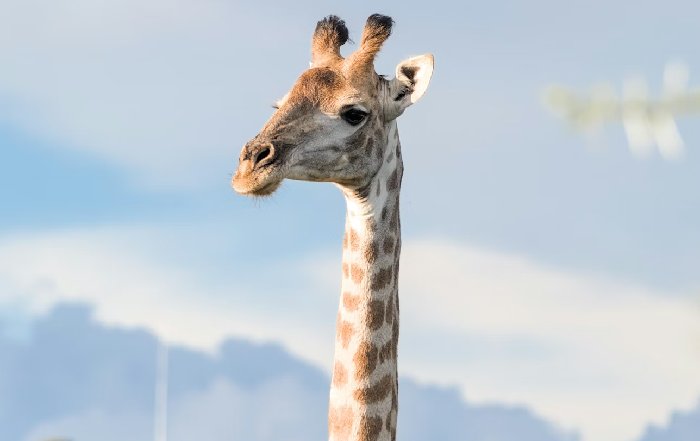
Opening New Paths for Wildlife: Conservation Efforts in Southern Africa
Southern Africa at a Turning Point
Southern Africa stands at a decisive moment in its relationship with wildlife, as conservation has evolved from a niche environmental concern into a central pillar of economic planning, social stability and global cooperation. Across countries such as South Africa, Botswana, Namibia, Zimbabwe, Mozambique and Zambia, governments, communities, scientists and businesses are redefining how nature is valued, protected and integrated into everyday life, and this transformation speaks directly to the global, cross-sector perspective that WorldsDoor brings to its readers. From the savannas that host elephants and lions to the coastal wetlands that sustain migratory birds and marine life, the region's landscapes are now seen not only as ecological treasures but also as strategic assets that influence health, tourism, culture, technology, education and long-term sustainable growth.
For a global audience spanning the United States, Europe, Asia, Africa and beyond, Southern Africa's conservation story offers a powerful lens through which to understand how environmental decisions intersect with business models, social equity and international policy. Readers who already follow the interconnected themes of world affairs, health and wellbeing and sustainable lifestyles will find in Southern Africa a living case study of how nature conservation can be both a moral imperative and a pragmatic strategy for resilience in an era of climate volatility, geopolitical uncertainty and rapid technological change.
The Ecological and Economic Stakes
The ecological stakes in Southern Africa are unusually high because the region concentrates some of the world's most iconic and threatened species, including elephants, rhinos, wild dogs, cheetahs and numerous endemic plants and birds that depend on fragile ecosystems. According to assessments from organizations such as the International Union for Conservation of Nature (IUCN), large mammal populations in parts of the region have faced decades of pressure from habitat loss, illegal hunting and human-wildlife conflict, yet there are also notable success stories where targeted protection and community-based management have allowed populations to stabilize or recover. Readers seeking to understand the scientific basis for these trends can explore how conservation status is evaluated and updated through global red list assessments and ecosystem monitoring, which provide the evidence base for policy and investment decisions.
The economic dimension is equally important because wildlife tourism has become a cornerstone of national income for several Southern African states, generating billions of dollars in revenue and supporting hundreds of thousands of jobs. Data from the World Travel & Tourism Council and similar bodies highlight how nature-based tourism contributes a substantial share of GDP in countries like Botswana and Namibia, where well-managed protected areas and private reserves attract visitors from the United States, United Kingdom, Germany, Canada, Australia and many other markets. Those who wish to examine broader tourism trends can look at analyses of global travel demand and sustainable tourism models that show why visitors increasingly prioritize ethical wildlife experiences, low-impact accommodation and community benefit when choosing destinations.
Protected Areas, Transfrontier Parks and Regional Cooperation
One of the defining features of wildlife conservation in Southern Africa is the network of protected areas that stretches across national borders, combining national parks, private reserves and community conservancies into large ecological landscapes. Flagship initiatives such as the Kavango-Zambezi Transfrontier Conservation Area and the Great Limpopo Transfrontier Park demonstrate how regional cooperation can create vast corridors for wildlife movement, which are essential for genetic diversity and climate adaptation. By linking protected zones in Angola, Botswana, Namibia, Zambia and Zimbabwe, for example, these transboundary parks enable elephants and other migratory species to follow traditional routes that cross political borders but remain ecologically connected.
For readers interested in how such initiatives are structured and financed, the Convention on Biological Diversity and the Ramsar Convention on Wetlands offer insight into the international legal frameworks that encourage countries to coordinate their conservation strategies. These frameworks increasingly intersect with the climate agenda, as protected areas are recognized for their role in carbon storage, water regulation and disaster risk reduction, which in turn influences the global debate on climate finance and nature-based solutions. Business leaders and policy professionals who follow sustainable business trends will recognize that transfrontier conservation is not only about protecting wildlife but also about managing shared natural capital in ways that reduce cross-border tensions and open up opportunities for joint tourism, infrastructure and research projects.
Community-Based Conservation and Local Livelihoods
While large parks and reserves often capture international attention, the long-term success of conservation in Southern Africa increasingly depends on the people who live closest to wildlife. Across Namibia, Botswana, Zimbabwe and other countries, community-based conservation models have emerged that grant local communities formal rights to manage and benefit from wildlife on their land, typically through conservancies that share revenues from tourism, hunting quotas where legal, and related enterprises. These models, supported by organizations such as WWF and regional NGOs, are grounded in the recognition that conservation cannot be imposed from above without creating resentment or economic hardship, particularly in rural areas where poverty and unemployment remain serious challenges.
Readers interested in social and ethical aspects of conservation can examine case studies from institutions like the United Nations Development Programme that document how community conservancies have generated income for schools, clinics and local infrastructure, while at the same time incentivizing communities to prevent poaching and habitat degradation. These experiences resonate strongly with the themes explored in society and ethics coverage on WorldsDoor, where questions of fairness, participation and cultural respect are central. By aligning wildlife protection with tangible benefits such as jobs for guides, rangers and hospitality workers, Southern African communities are demonstrating that conservation can be a pathway to dignity and opportunity rather than a restriction imposed for the benefit of foreign tourists or distant policymakers.
Human-Wildlife Conflict and the Search for Coexistence
Despite the promise of community-based models, human-wildlife conflict remains one of the most persistent and emotionally charged challenges in Southern Africa. Elephants that raid crops, lions that attack livestock and hippos that threaten fishing communities can cause significant economic losses and sometimes tragic loss of life, particularly in areas where safety nets and insurance mechanisms are weak. Addressing these conflicts requires a combination of practical mitigation measures, fair compensation systems and long-term land-use planning that takes into account both ecological and social needs.
Specialized organizations such as the African Wildlife Foundation and research centers like the Oxford Wildlife Conservation Research Unit have been working with local partners to test and refine solutions ranging from predator-proof bomas and early-warning systems to alternative livelihood schemes that reduce dependence on vulnerable crops or grazing lands. These efforts are closely linked to broader debates about rural development, food security and social justice, and they echo themes that readers can explore through food systems and education initiatives on WorldsDoor, where the focus often falls on how knowledge, technology and policy can support more resilient communities. The search for coexistence in Southern Africa thus becomes a microcosm of the global challenge of balancing human aspirations with the rights and needs of other species.
Poaching, Illegal Wildlife Trade and Security Dimensions
No discussion of wildlife conservation in Southern Africa would be complete without addressing the persistent threat of poaching and the illegal wildlife trade, which have evolved from opportunistic local activities into highly organized criminal enterprises linked to international trafficking networks. The demand for rhino horn, elephant ivory and other high-value wildlife products in parts of Asia and elsewhere has driven sophisticated operations that exploit weak governance, corruption and limited enforcement capacity. Detailed reports from the Convention on International Trade in Endangered Species of Wild Fauna and Flora (CITES) and the UN Office on Drugs and Crime illustrate how wildlife trafficking has become intertwined with other forms of transnational crime, including money laundering and arms smuggling.
In response, Southern African governments, private reserves and international partners have invested heavily in anti-poaching units, intelligence-led operations and judicial reforms designed to increase the risks and reduce the profitability of illegal activities. These measures include the deployment of advanced surveillance technologies, cross-border information sharing and efforts to strengthen prosecution and sentencing for wildlife crimes. For readers following global security and governance debates, the intersection of conservation and law enforcement provides a compelling example of how environmental issues now sit at the heart of national and regional security agendas, and how they demand cooperation between conservation agencies, police, customs and even defense forces.
Technology and Innovation in Modern Conservation
Technological innovation has become one of the most dynamic aspects of wildlife conservation in Southern Africa, transforming how data is collected, analyzed and acted upon. Conservation organizations and research institutions now routinely employ drones, satellite imagery, acoustic sensors and AI-driven analytics to monitor animal movements, detect poaching threats and map habitat changes in near real time. Partnerships between African field teams and global technology companies, as well as universities in Europe, North America and Asia, are driving new tools for predictive modeling, automated image recognition and integrated conservation planning.
Those interested in the technological frontier can explore how platforms such as Google Earth Engine and projects supported by the World Bank or Global Environment Facility enable large-scale environmental monitoring that would have been impossible a decade ago. These developments align closely with the focus on technology and innovation that characterizes WorldsDoor, where the emphasis is on how digital tools and data-driven approaches can enhance decision-making across sectors. In Southern Africa, the integration of technology into conservation practice is not only improving efficiency but also opening new career paths for local youth in fields such as GIS analysis, drone operation and environmental data science, thereby linking conservation to education and employment in a very tangible way.
Climate Change, Ecosystem Resilience and Health
Climate change has emerged as a critical driver of conservation strategy in Southern Africa, as shifts in rainfall patterns, temperature extremes and the frequency of droughts alter habitats and put additional stress on wildlife and human communities alike. Scientific assessments from bodies such as the Intergovernmental Panel on Climate Change (IPCC) indicate that Southern Africa is particularly vulnerable to warming and aridification, with implications for water availability, vegetation cover and the distribution of species. This reality forces conservation planners to think not only about protecting existing populations but also about facilitating adaptation through wildlife corridors, assisted migration and the restoration of degraded landscapes.
The health dimension is also becoming more prominent, as researchers and public health authorities embrace the concept of One Health, which recognizes the interconnectedness of human, animal and ecosystem health. Organizations like the World Health Organization and the Food and Agriculture Organization have highlighted how habitat loss and wildlife stress can increase the risk of zoonotic disease spillover, making effective conservation a form of preventive health care at the planetary scale. Readers who follow health-related content on WorldsDoor will recognize that the boundaries between environmental policy and health policy are increasingly blurred, and that Southern Africa's efforts to safeguard biodiversity are also contributing to global strategies for pandemic prevention, food safety and mental wellbeing through access to nature.
Tourism, Culture and the Changing Expectations of Travelers
Wildlife tourism in Southern Africa has long attracted visitors from the United States, Europe, Asia and other regions, drawn by the promise of seeing elephants, lions, rhinos and other species in their natural habitats. However, expectations have shifted significantly over the past decade, as travelers from countries such as the United Kingdom, Germany, France, Canada, Australia, Japan and Brazil now place greater emphasis on ethical practices, cultural authenticity and environmental responsibility. This change has pushed tour operators, lodge owners and national tourism boards to develop and promote experiences that minimize ecological footprints, respect local traditions and ensure that a fair share of revenue flows to nearby communities.
To understand broader shifts in global travel behavior, readers can consult analyses by the United Nations World Tourism Organization, which track the rise of sustainable tourism and the growing importance of certifications, carbon accounting and community engagement in destination marketing. These trends resonate with the themes explored in travel and lifestyle coverage on WorldsDoor, where the focus often falls on how individuals can make responsible choices that align leisure with values. In Southern Africa, this convergence of conservation and tourism has led to the growth of eco-lodges, community-owned camps and educational safaris that combine wildlife viewing with insights into local history, art, music and cuisine, thereby enriching both visitors and hosts.
Governance, Finance and the Role of Global Partnerships
Effective wildlife conservation in Southern Africa depends not only on local passion and expertise but also on robust governance structures, transparent institutions and sustainable financing mechanisms. National parks agencies, environmental ministries and local authorities must coordinate with international donors, development banks, private investors and philanthropic foundations to secure the long-term funding needed for anti-poaching operations, habitat restoration, research and community development. Initiatives such as debt-for-nature swaps, green bonds and blended finance instruments are increasingly used to channel resources into conservation while addressing broader economic challenges such as debt burdens and infrastructure needs.
Institutions like the African Development Bank, World Bank and Global Environment Facility provide examples of how multilateral finance can support protected areas, climate adaptation and biodiversity projects in ways that align with national development plans. At the same time, civil society organizations and investigative journalists continue to emphasize the importance of accountability, participation and anti-corruption measures to ensure that funds reach their intended beneficiaries and that local communities have a meaningful voice in decision-making. For readers interested in governance and ethics, the interplay between environmental goals, financial innovation and political realities offers a nuanced picture of how conservation is negotiated in practice, and it connects closely with the themes addressed in sustainability and ethics features on WorldsDoor.
Education, Culture and the Next Generation of Conservation Leaders
Education has emerged as a central pillar of wildlife conservation strategy in Southern Africa, as schools, universities and community programs seek to cultivate a new generation of leaders who understand both the scientific and cultural dimensions of nature stewardship. Environmental education initiatives range from school-based curricula that introduce children to local ecosystems and species, to tertiary programs in conservation biology, environmental economics and sustainable tourism that prepare graduates for careers in government, NGOs and the private sector. Partnerships between African universities and institutions in Europe, North America and Asia are expanding opportunities for joint research, exchange programs and online learning, thereby integrating Southern African perspectives into global knowledge networks.
Cultural narratives also play a powerful role, as traditional beliefs, stories and practices related to wildlife are reexamined and revitalized in ways that support modern conservation goals. Community elders, artists, writers and filmmakers collaborate with conservationists to create content that celebrates local heritage and conveys the importance of protecting species and habitats for future generations. Readers who follow culture and society content on WorldsDoor will recognize how these narratives shape identity and values, influencing how people perceive their relationship with the natural world. By integrating environmental themes into education, media and cultural expression, Southern Africa is building a broad social foundation for conservation that extends far beyond park boundaries and specialist circles.
How WorldsDoor Frames Southern Africa's Conservation Journey
For WorldsDoor, Southern Africa's wildlife conservation efforts are not an isolated environmental topic but a rich, interconnected narrative that touches every major area of interest: health, travel, culture, lifestyle, business, technology, environment, ethics, society, education and food. The region's experiences offer practical lessons for policymakers in Europe, Asia and the Americas who grapple with similar questions about how to balance development and biodiversity, as well as inspiration for individuals who wish to align their personal choices with broader planetary goals. By examining how communities manage human-wildlife conflict, how governments structure protected areas, how businesses innovate around eco-tourism and green finance, and how educators and cultural leaders foster new attitudes toward nature, WorldsDoor can provide readers with a nuanced, trustworthy perspective that emphasizes real-world experience and grounded expertise.
Those interested in exploring related themes can move seamlessly from coverage of innovation and sustainability to analyses of global environmental challenges, drawing connections between Southern Africa and other regions such as the Amazon, the Arctic or Southeast Asia. In doing so, they will see how local stories of elephant corridors, community conservancies or anti-poaching technology are part of a broader global movement to rethink humanity's place on the planet. As the world navigates the complex terrain of the mid-2020s, with climate impacts intensifying and social expectations evolving, Southern Africa's conservation journey offers both cautionary tales and hopeful examples of how collaboration, innovation and respect for nature can open new doors to a more resilient and equitable future, a future that WorldsDoor is committed to documenting and interpreting for its worldwide audience.