

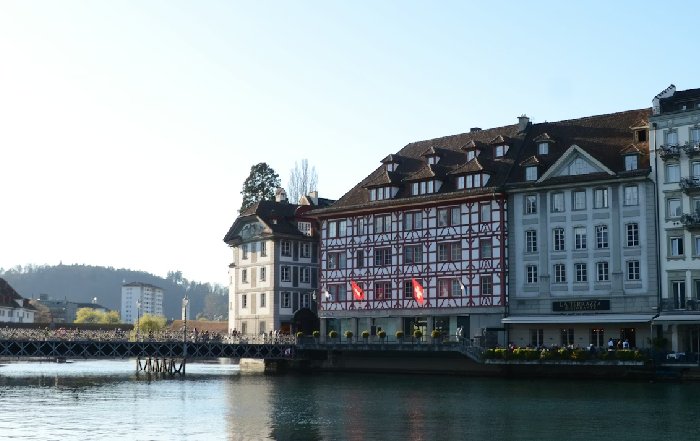
Craftsmanship and Luxury in Swiss Innovation
Swiss Excellence at a Turning Point
The global conversation about innovation has become inseparable from debates about sustainability, ethics, digital transformation and cultural identity, and within this complex landscape, Switzerland occupies an unusually distinctive position. The country's reputation for meticulous craftsmanship, understated luxury and political stability has long been acknowledged, but what is unfolding now is a deeper fusion of heritage and high technology that is reshaping how the world understands premium value, responsible growth and long-term trust. For readers of Worldsdoor-who explore interconnected themes of business, technology, culture, environment and sustainable development-Swiss innovation offers a powerful lens on how craftsmanship and luxury can evolve without losing their soul.
Switzerland's innovation ecosystem is consistently ranked among the world's most advanced, with institutions such as ETH Zurich and EPFL regularly appearing at the top of global research and innovation indices, and organizations like the World Intellectual Property Organization highlighting the country's dense concentration of patents, design registrations and scientific output. Yet beyond the statistics lies a cultural model that blends precision engineering, artisanal tradition and a measured, long-term view of value creation, which is increasingly relevant for leaders in the United States, Europe, Asia and beyond who are seeking resilient strategies for an era of rapid technological disruption and rising expectations around environmental and social responsibility.
The Cultural DNA of Swiss Craftsmanship
Swiss craftsmanship is not an accidental by-product of economic success; it is a cultural and historical phenomenon that has been refined over centuries. From the early watchmakers of the Jura mountains to contemporary medical device engineers in Zurich and Basel, there is a shared ethic that prizes reliability, discretion and incremental perfection over spectacle. This tradition was shaped by geography and politics: a small, landlocked country with limited natural resources, a multilingual society and a federal system that encouraged local autonomy, specialization and a strong apprenticeship culture.
In this sense, craftsmanship is as much about education and social structure as it is about technique. The Swiss dual education system, recognized by organizations such as the OECD, integrates vocational training with academic study, enabling young people to acquire practical skills in precision mechanics, microtechnology, hospitality and digital services while maintaining pathways to higher education and research. Leaders seeking to understand evolving education models can look to Switzerland as an example of how to elevate manual and technical professions to the same status as purely academic careers, thereby sustaining a workforce capable of both preserving tradition and embracing innovation.
This cultural DNA manifests in the way Swiss firms approach quality and risk. Whether in watchmaking, pharmaceuticals, banking or advanced manufacturing, there is a persistent emphasis on testing, redundancy and conservative scaling, which may appear slow compared to the "move fast and break things" ethos prevalent in parts of the technology sector. However, as regulatory scrutiny, cybersecurity threats and consumer skepticism intensify worldwide, this measured approach is gaining renewed appreciation among executives and policymakers who recognize that trust, once lost, is increasingly difficult to rebuild.
Luxury as a Language of Precision and Time
Swiss luxury has historically been most visible in the watch industry, where names like Patek Philippe, Rolex, Audemars Piguet and Vacheron Constantin became synonymous with craftsmanship, status and technical mastery. While the rise of smartwatches and digital devices led some observers to predict the decline of mechanical timepieces, the opposite has occurred at the high end of the market. Mechanical watches have become more explicitly symbolic, representing continuity, patience and the human touch in a world dominated by screens and algorithmic decision-making.
This transformation illustrates a broader shift in how luxury is perceived across global markets in North America, Europe and Asia. Increasingly, affluent consumers in cities such as New York, London, Singapore and Tokyo are seeking products and experiences that embody authenticity, traceability and a meaningful story. Research from institutions like Bain & Company and McKinsey & Company has documented a move away from logo-driven conspicuous consumption toward quieter, more personal forms of expression, and Swiss brands have been early beneficiaries of this trend because they can credibly communicate the depth of their heritage, the rigor of their manufacturing processes and the longevity of their products.
Luxury, in the Swiss context, is not only about price; it is about precision, restraint and the ability to measure time in generations rather than quarters. For readers of Worldsdoor interested in lifestyle and society, this raises important questions about how status and aspiration are evolving in global culture, as younger consumers increasingly value experiences, craftsmanship and sustainability alongside traditional markers of success. The Swiss example demonstrates that luxury can function as a form of cultural memory, preserving artisanal knowledge while adapting to new expectations around transparency and environmental impact.
Innovation Anchored in Heritage
What distinguishes Swiss innovation in 2026 is not only the quality of its research institutions but also the way new technologies are integrated into long-standing sectors. In watchmaking, advanced materials such as silicon escapements, ceramic cases and high-performance alloys have been quietly adopted by leading manufacturers, improving accuracy and durability while preserving the visual language of classical horology. In parallel, digital tools such as computer-aided design and micro-machining robots are now standard in production facilities, yet final assembly and finishing often remain the domain of highly trained artisans.
This pattern extends beyond watches into fields such as medical technology, precision instruments and pharmaceuticals. Companies like Roche and Novartis, headquartered in Basel, have combined cutting-edge biotechnology and data analytics with a meticulous regulatory and quality culture that reflects the same foundational values as traditional crafts. Switzerland's strength in life sciences, highlighted by organizations such as Swiss Biotech and research collaborations with entities like the World Health Organization, has enabled it to become a key player in global health innovation, from personalized medicine to vaccine development, which directly intersects with Worldsdoor's coverage of health and global world trends.
An important lesson for international business leaders is that innovation does not require abandoning heritage; rather, heritage can serve as a stabilizing framework for integrating new capabilities. By framing technology as a tool for enhancing, rather than replacing, human expertise, Swiss firms have managed to maintain strong brand identities while modernizing their operations. This balance is increasingly relevant for companies in Germany, Japan, Italy and other manufacturing powerhouses that are grappling with how to digitize without eroding the intangible value embedded in their traditional industries.
Digital Transformation with a Human Core
Digitalization has reached every sector of the Swiss economy, yet the country's approach remains notably human-centered and legally grounded. As global debates on data privacy, artificial intelligence and cybersecurity intensify, Switzerland's legal framework, influenced by European standards such as the General Data Protection Regulation (GDPR), emphasizes consent, data minimization and individual rights. This regulatory culture has made the country an attractive location for data-intensive industries that must balance innovation with trust, including fintech, medtech and advanced manufacturing.
Swiss banks and financial institutions, including UBS and Credit Suisse's successor entities, have invested heavily in digital platforms, algorithmic trading and blockchain-based services, but they continue to position human advisory relationships and risk management expertise as core differentiators. Similarly, emerging Swiss fintech startups are exploring decentralized finance, digital identity and sustainable investment analytics while operating within a relatively conservative regulatory environment that prioritizes stability and consumer protection. For executives exploring business innovation models, this hybrid approach offers a counterpoint to more aggressive, disruption-oriented strategies prevalent in some other financial centers.
The Swiss technology ecosystem is also increasingly engaged with artificial intelligence and robotics, with research hubs in Zurich, Lausanne and Lugano collaborating with global partners and multinational firms such as Google, IBM and Microsoft, all of which maintain significant operations in the country. However, rather than framing AI as a replacement for human labor, Swiss institutions tend to emphasize augmentation, ethics and long-term societal impact, aligning with frameworks promoted by organizations like the OECD AI Policy Observatory. This emphasis resonates strongly with Worldsdoor's focus on ethics and responsible innovation, and it reflects a broader societal preference for gradual, consensus-driven change.
Sustainability as a New Dimension of Luxury
Sustainability has moved from the margins to the center of strategic planning for Swiss companies across sectors. In luxury goods, hospitality, food and mobility, environmental performance is no longer a secondary marketing claim; it is a critical component of brand value and regulatory compliance. The Swiss government's climate policies, aligned with international agreements tracked by entities such as the United Nations Framework Convention on Climate Change, have set ambitious targets for carbon reduction, energy efficiency and biodiversity protection, prompting businesses to rethink sourcing, logistics and product design.
In the watch and jewelry sector, leading brands are increasingly transparent about the origin of precious metals and gemstones, working with organizations like the Responsible Jewellery Council and adopting traceability technologies such as blockchain to verify ethical and environmental standards. This shift reflects broader consumer expectations in markets such as the United States, the United Kingdom, Germany and China, where younger buyers in particular are scrutinizing supply chains and rejecting products associated with exploitation or ecological damage. Those seeking to learn more about sustainable business practices can observe how Swiss firms are integrating lifecycle analysis, repairability and circular design into premium products without compromising aesthetic or technical excellence.
Sustainability is also reshaping Swiss tourism and hospitality, sectors that are central to the country's image and to Worldsdoor's coverage of travel and food. Mountain resorts, lakefront hotels and urban conference centers are investing in renewable energy, low-impact mobility, local sourcing and waste reduction, responding both to regulatory incentives and to the expectations of international guests from Europe, North America and Asia-Pacific. Organizations like Switzerland Tourism and environmental groups such as the World Wide Fund for Nature (WWF) have highlighted the vulnerability of alpine ecosystems to climate change, underscoring the need for tourism models that preserve, rather than deplete, natural capital.
Ethical Frameworks and Governance in a Complex World
One of the less visible but increasingly important aspects of Swiss innovation is its governance culture. The country's political system, characterized by direct democracy, federalism and a tradition of neutrality, encourages deliberation and compromise. This political backdrop influences corporate behavior, leading many Swiss firms to adopt governance structures and compliance frameworks that prioritize transparency, stakeholder engagement and long-term risk management. In an era marked by geopolitical tensions, supply chain disruptions and rising regulatory complexity, this governance orientation has become a competitive asset.
International organizations such as the World Economic Forum, headquartered in Geneva, have long used Switzerland as a platform to convene leaders around issues ranging from climate resilience to digital trust and inclusive growth. These gatherings reflect a recognition that innovation cannot be evaluated solely through the lens of financial returns or technological novelty; it must also be assessed in terms of social cohesion, ethical standards and global equity. For readers of Worldsdoor who are attentive to the interplay between society, business and global governance, Swiss practices offer a case study in how small states can exercise outsized influence by acting as trusted intermediaries and standard-setters.
Swiss corporate law and regulatory agencies have also been evolving to address topics such as corporate responsibility for human rights, environmental due diligence and anti-corruption measures, aligning with international frameworks promoted by bodies like the OECD and the United Nations Global Compact. This trend reflects growing pressure from investors, civil society and consumers in Europe, North America and Asia who are demanding that companies take responsibility for the full spectrum of their impacts, not only within national borders but across global value chains.
Health, Food and the Science of Well-Being
Switzerland's reputation for precision and quality extends deeply into health, nutrition and pharmaceuticals, sectors that intersect directly with Worldsdoor's thematic focus on health, food and lifestyle. Global leaders such as Nestlé, headquartered in Vevey, have been repositioning their portfolios around health science, plant-based alternatives and personalized nutrition, responding to research from institutions like the World Health Organization and Harvard T.H. Chan School of Public Health that underscores the links between diet, chronic disease and longevity. This strategic pivot illustrates how legacy food companies can reframe their identities around well-being and sustainability while leveraging long-established expertise in supply chains, formulation and consumer insight.
In parallel, Switzerland's medical research ecosystem, anchored by universities, university hospitals and private R&D centers, has accelerated work in fields such as oncology, immunology, digital health and medical devices. Collaborations between public institutions and private companies are increasingly focused on data-driven diagnostics, remote monitoring and AI-assisted clinical decision-making, aligning with global trends documented by organizations like the World Bank and OECD Health Division. The integration of rigorous clinical standards with advanced analytics and device engineering reflects the same craftsmanship mindset that characterizes Swiss watchmaking, but applied to life-saving interventions rather than luxury objects.
This convergence of health, technology and ethics is particularly relevant to readers across North America, Europe, Asia and Africa who are grappling with how to design healthcare systems that are both innovative and equitable. Swiss approaches to health insurance, hospital financing and pharmaceutical regulation may not be directly transferable to larger or less affluent countries, but they offer insights into how to balance competition, innovation incentives and universal access within a stable institutional framework.
Global Resonance: Why Swiss Innovation Matters to the World
The significance of Swiss craftsmanship and luxury in innovation extends far beyond national borders. As economies in Europe, Asia, Africa and the Americas confront the twin challenges of digital disruption and environmental crisis, the Swiss model offers a distinctive reference point. It demonstrates that a high-wage economy with strict regulations, strong labor protections and demanding environmental standards can remain globally competitive by focusing on quality, specialization and trust rather than on cost alone.
For businesses in the United States, Canada, Australia and major European economies, this raises strategic questions about how to position themselves in global value chains. Rather than competing solely on scale or price, companies can emphasize deep expertise, reliable performance and verifiable sustainability, drawing inspiration from Swiss sectors that have successfully followed this path. Similarly, emerging economies in Asia, Africa and South America can look to Switzerland for lessons on how to cultivate niche excellence, build strong vocational training systems and develop regulatory institutions that support long-term investment and innovation.
From the perspective of Worldsdoor, whose readers navigate interconnected domains such as technology, environment, business and culture, Swiss innovation exemplifies how a holistic approach can generate durable value. It shows that craftsmanship is not a relic of the past but a living methodology for organizing work, training talent and designing products in a way that respects both human dignity and planetary boundaries.
Opening New Doors: Lessons for the Future
The interplay between craftsmanship, luxury and innovation in Switzerland is still evolving, shaped by global economic shifts, demographic changes and technological breakthroughs. Yet several enduring lessons are already clear for leaders, policymakers and informed citizens worldwide. First, precision and patience remain powerful competitive advantages in a world that often prizes speed over substance. Second, luxury, when grounded in authenticity, sustainability and cultural meaning, can serve as a catalyst for higher standards across entire industries. Third, innovation that is anchored in strong institutions, ethical frameworks and inclusive education systems is more likely to generate trust and long-term resilience.
For Worldsdoor, which aims to connect readers across continents with thoughtful perspectives on global developments, the Swiss experience underscores the importance of looking beyond headlines and short-term trends to understand how values, institutions and culture shape the trajectory of technology and markets. As businesses, governments and communities in the United States, the United Kingdom, Germany, China, Singapore, South Africa, Brazil and many other regions confront the uncertainties of the coming decade, the Swiss synthesis of craftsmanship and innovation offers not a blueprint to be copied, but a set of principles to be interpreted: respect for detail, commitment to excellence, and a belief that progress is most meaningful when it is both technically advanced and deeply human.
In this sense, Switzerland is not merely a producer of luxury goods or a hub for high-tech research; it is a living laboratory for how societies can integrate tradition and transformation. By observing and engaging with this model, the global audience of Worldsdoor can better navigate their own paths through a rapidly changing world, opening new doors to sustainable prosperity, cultural richness and shared trust.