

Forgotten Histories of the Mediterranean: Rediscovering the Sea That Shaped the Modern World
The Mediterranean as a Living Archive
As global conversations increasingly focus on sustainability, cultural resilience, and technological transformation, the Mediterranean Sea stands not only as a geographical crossroads but also as a vast, living archive of forgotten histories that continue to shape contemporary societies, economies, and identities. For readers of WorldsDoor, who explore connections between world affairs, culture, business, and sustainable futures, the Mediterranean offers a uniquely rich lens through which to understand how the past quietly informs present choices in health, travel, technology, ethics, and education. While school curricula in the United States, the United Kingdom, Germany, Canada, Australia, and across Europe often emphasize the familiar narratives of Ancient Greece, Imperial Rome, and the later maritime empires of Spain, France, and Britain, a deeper examination reveals networks of influence that run from North Africa to the Levant, from the Iberian Peninsula to the Balkans, and from the islands of the Aegean to the ports of the Adriatic, each contributing to a shared yet unevenly remembered heritage.
The Mediterranean has long been described as a "middle sea," but it is more accurately understood as a dynamic interface where civilizations met, clashed, traded, intermarried, and innovated, leaving behind layers of memory that remain embedded in languages, cuisines, legal codes, religious practices, and even modern health guidelines. Contemporary interest in Mediterranean diets, coastal tourism, and maritime trade routes often overlooks the forgotten stories of merchants, enslaved peoples, physicians, scholars, and artisans who moved through its ports and reshaped the societies of Europe, Asia, and Africa. To appreciate how these submerged narratives still influence issues as diverse as climate policy, digital innovation, and ethical business conduct, it is necessary to revisit the Mediterranean not as a static backdrop to well-known empires, but as a constantly evolving ecosystem of human experience.
Beyond Greece and Rome: Overlooked Civilizations and Networks
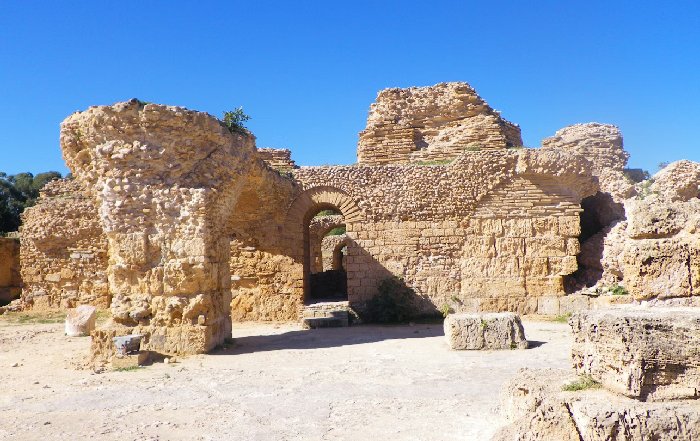
Most popular accounts of Mediterranean history foreground the legacies of Athens, Sparta, and Rome, yet the sea's earlier and parallel civilizations, from the Phoenicians and Carthaginians to the Minoans, Etruscans, and Nabataeans, played decisive roles in shaping trade, navigation, and urban life. Archaeological work coordinated by institutions such as UNESCO has demonstrated how cities along the coasts of modern Lebanon, Tunisia, Italy, Spain, and Greece developed sophisticated harbor infrastructures, legal norms for commerce, and systems of credit that prefigure modern global trade practices. Readers interested in how these early networks influenced the contemporary world can explore current research on Mediterranean heritage preservation through resources like the UNESCO World Heritage Centre, which highlights both famous and lesser-known sites across the region.
The Phoenician maritime network, stretching from the Levant to the Atlantic coasts of Spain and Morocco, illustrates how an ostensibly peripheral group could drive innovation in shipbuilding, navigation, and alphabetic writing, leaving traces that would later underpin the commercial cultures of the Roman and Byzantine empires. Similarly, the Carthaginian presence in North Africa and the western Mediterranean, often reduced in popular memory to its rivalry with Rome, actually fostered complex agricultural systems, urban planning, and cross-cultural exchanges with Iberian, Celtic, and Berber communities. These interactions shaped the demographic and cultural textures of regions that are now central to tourism and trade, from Sicily and Sardinia to coastal Spain. For those planning to explore these regions physically, WorldsDoor's guide to Mediterranean travel experiences offers contemporary perspectives that can be enriched by understanding these deeper historical layers.
The Mediterranean also hosted vibrant inland networks that connected coastal ports to continental interiors. Caravans moving across the Maghreb, the Levant, and Anatolia linked the sea to the Sahara, the Red Sea, and the Silk Roads, underscoring that Mediterranean history is inseparable from the broader Afro-Eurasian context. Modern research from organizations such as The British Museum and Louvre Museum demonstrates how artifacts found in Mediterranean sites often originate from far beyond the shoreline, revealing a centuries-long circulation of goods like spices, textiles, metals, and manuscripts. Exploring these collections online through platforms such as The British Museum allows business leaders, educators, and curious travelers to see how deeply interconnected pre-modern economies truly were, challenging simplistic narratives of isolated civilizations.
The Forgotten Science and Medicine of the Mediterranean
One of the most overlooked aspects of Mediterranean history concerns the scientific, medical, and technological knowledge that circulated across linguistic, religious, and political boundaries long before modern research institutions existed. From the medical schools of Alexandria and Pergamon to the hospitals and observatories of Baghdad, Cordoba, and Palermo, the Mediterranean basin served as a vast laboratory where Greek, Roman, Persian, Indian, Arab, Jewish, and later Latin scholars collaboratively shaped the foundations of modern science. The work of physicians such as Hippocrates, Galen, Ibn Sina (Avicenna), and Maimonides cannot be understood in isolation from the maritime routes that connected their ideas to practitioners across what is now Europe, North Africa, and the Middle East.
Modern health discourse often celebrates the "Mediterranean diet" as a key to longevity and cardiovascular wellness, supported by extensive research from organizations like the World Health Organization, which offers insights into dietary patterns and noncommunicable disease prevention at the WHO nutrition pages. Yet the historical roots of these dietary patterns, including the integration of olive oil, legumes, whole grains, fish, and moderate wine consumption, reflect centuries of experimentation, adaptation to local climates, and cross-cultural exchange of crops and culinary techniques. As WorldsDoor's coverage of health and wellbeing emphasizes, the Mediterranean model is not merely a diet but a holistic lifestyle shaped by social rituals, urban design, and environmental conditions that have evolved over millennia.
Equally significant is the transfer of medical texts and practices between the Islamic, Byzantine, and Latin Christian worlds, often facilitated by translators working in cities such as Toledo, Salerno, and Sicily. These translation movements preserved and expanded classical knowledge at a time when political fragmentation and conflict might otherwise have led to intellectual isolation. Contemporary scholars can trace how medical treatises traveled from Greek to Arabic to Latin, influencing curricula at early European universities and shaping the evolution of clinical practice. Those interested in the history of science can explore curated collections and essays through institutions such as the Wellcome Collection, which offers accessible overviews of medical history and global health, highlighting the Mediterranean's enduring role in knowledge transmission.
Trade, Finance, and the Birth of Modern Business Practices
For a business-focused audience, the Mediterranean's forgotten histories are especially relevant in understanding how modern corporate structures, financial instruments, and regulatory frameworks emerged from the practices of medieval and early modern merchants, bankers, and city-states. Long before today's multinational corporations and digital platforms, families and firms in Venice, Genoa, Florence, Marseille, Barcelona, and Istanbul developed sophisticated methods for managing risk, financing long-distance trade, and resolving disputes. Many of these innovations, from double-entry bookkeeping to early forms of insurance and joint-stock companies, were responses to the uncertainties of maritime commerce and the complex legal environments of multi-jurisdictional trade.
The Venetian and Genoese republics, for example, built extensive networks of consulates, warehouses, and credit arrangements that linked the Mediterranean to the Black Sea, North Sea, and Atlantic, prefiguring the globalized supply chains that now define international business. Modern research on the history of capitalism, available through institutions such as the Harvard Business School's Business History Review, underscores how these Mediterranean experiments in governance, accounting, and contract law laid the groundwork for contemporary corporate governance standards and regulatory regimes. For readers of WorldsDoor who follow business trends and strategy, recognizing these origins provides a richer context for current debates on transparency, stakeholder capitalism, and ethical finance.
The Mediterranean also played a pivotal role in the development of maritime law, with city-states and empires codifying principles that continue to inform modern international regulations on shipping, salvage, and liability. The Rhodian Sea Law, medieval Amalfi codes, and later Ottoman and European legal frameworks collectively contributed to the emergence of norms that now underpin institutions such as the International Maritime Organization, whose work on global shipping regulations and safety shapes contemporary trade and environmental policies. Understanding these historical legal foundations helps business leaders appreciate that current debates over supply chain resilience, port governance, and maritime sustainability are part of a much longer continuum of negotiation between commerce, state power, and environmental constraints.
Cultural Hybridity, Religion, and Shared Heritage
The Mediterranean is often portrayed in contemporary media as a zone of conflict and division, particularly in discussions of migration, religious tension, and geopolitical rivalry. However, a longer historical view reveals a region marked by profound cultural hybridity, interfaith coexistence, and shared heritage, even during periods of war and political fragmentation. Cities such as Cordoba, Palermo, Alexandria, Thessaloniki, and Sarajevo historically hosted communities of Muslims, Christians, and Jews who, despite legal and social hierarchies, engaged in daily collaboration as neighbors, traders, artisans, and scholars. These interactions shaped architecture, music, language, and legal traditions in ways that continue to influence contemporary Mediterranean societies from Spain and Italy to Turkey and Israel.
Cultural institutions, including UNESCO and the Council of Europe, have in recent decades emphasized the Mediterranean as a space of "shared heritage," promoting initiatives that encourage cross-border cooperation in preserving historical sites, intangible cultural practices, and minority languages. Those interested in the cultural and social dimensions of this heritage can find thematic overviews through the Council of Europe's cultural routes program, which highlights how trade, pilgrimage, and artistic exchange created enduring transnational networks. On WorldsDoor, readers can complement these perspectives by exploring in-depth reflections on Mediterranean culture and identity, connecting historical patterns of coexistence and conflict with contemporary debates about migration, integration, and social cohesion in Europe, North Africa, and the Middle East.
Religious traditions themselves bear the imprint of Mediterranean cross-fertilization. The spread of Christianity, Islam, and Judaism around the sea brought not only theological doctrines but also legal frameworks, charitable institutions, and educational models that shaped civic life. Monasteries, madrasas, and synagogues functioned as centers of learning, social welfare, and dispute resolution, often transcending political boundaries. Today's discussions about interfaith dialogue, secularism, and pluralism in countries such as France, Italy, Spain, Turkey, and Israel can be better understood by recognizing how deeply intertwined religious and civic life have been in Mediterranean history. This recognition also supports more nuanced approaches to ethics and governance, themes that WorldsDoor addresses in its coverage of society and ethics, especially as communities negotiate the balance between tradition and modernity.
Environmental Memory and the Mediterranean Climate Crisis
In the twenty-first century, the Mediterranean has become a frontline region for climate change, with rising sea levels, increased heatwaves, and more frequent extreme weather events affecting coastal cities, agricultural zones, and marine ecosystems. Yet the environmental challenges facing the Mediterranean are not entirely new; historical records from Roman, Byzantine, and Islamic sources, as well as paleoenvironmental studies, reveal that societies around the sea have long grappled with issues of deforestation, soil erosion, water scarcity, and overfishing. Understanding this environmental memory is crucial for developing sustainable strategies that respect both ecological realities and cultural traditions.
Organizations such as the Intergovernmental Panel on Climate Change (IPCC) and the European Environment Agency have identified the Mediterranean as a climate "hotspot," a region where warming trends and biodiversity loss are particularly acute. Detailed assessments of these risks, available through the IPCC reports, underscore the need for integrated approaches that connect marine conservation, urban planning, renewable energy, and agricultural adaptation. For readers who follow WorldsDoor's coverage of environmental issues and innovation in sustainability, the Mediterranean offers a powerful case study of how historical land use patterns, colonial legacies, and modern tourism have combined to shape current vulnerabilities.
One often forgotten dimension of Mediterranean environmental history involves traditional ecological knowledge embedded in agricultural terraces, irrigation systems, and fishing practices developed over centuries in regions such as the Greek islands, southern Italy, Andalusia, and the Maghreb. These techniques, which optimized scarce water resources and minimized soil degradation, are increasingly being revisited by researchers and policymakers seeking climate-resilient models of land and water management. Institutions like the Food and Agriculture Organization (FAO) provide extensive documentation on Mediterranean agriculture and sustainable food systems, demonstrating how ancient practices can inform contemporary strategies for food security and rural development. By connecting these insights with WorldsDoor's explorations of food culture and sustainability, readers can appreciate how culinary heritage, environmental stewardship, and public health are interwoven.
Migration, Mobility, and Overlooked Human Stories
Contemporary headlines often portray Mediterranean migration primarily through the lens of crisis, focusing on irregular crossings from North Africa and the Middle East to southern Europe. While the humanitarian dimensions of these movements are critical and demand urgent attention from governments, NGOs, and international agencies, a longer historical perspective reveals that the Mediterranean has always been a zone of intense mobility, with waves of merchants, pilgrims, soldiers, refugees, and laborers constantly reshaping its demographic and cultural landscapes. From the Phoenician and Greek colonization of coastal settlements to the movement of slaves and captives during the Roman and Ottoman periods, and from the expulsion of Jews and Muslims from Iberia in the late fifteenth century to the large-scale labor migrations of the twentieth century, the region's history is one of continuous human circulation.
Institutions such as the International Organization for Migration (IOM) document current patterns of movement and their implications for development, security, and human rights, providing in-depth analysis at the IOM Mediterranean portal. These contemporary reports, when read alongside historical studies, show that migration has long been both a source of economic dynamism and social tension in Mediterranean societies. For countries like Italy, Spain, Greece, Turkey, and Tunisia, present-day debates about integration, border control, and demographic change echo earlier concerns about identity, labor markets, and political stability. WorldsDoor's focus on society and global perspectives encourages readers to consider these continuities, highlighting how forgotten histories of displacement and resettlement can foster empathy and more informed policy discussions.
Equally important are the micro-histories of individuals and communities whose experiences rarely appear in official archives. Fishermen, dockworkers, domestic servants, small-scale traders, and artisans formed the backbone of Mediterranean port economies, yet their stories are often overshadowed by narratives centered on emperors, generals, and high-ranking merchants. Oral histories, family archives, and local museum collections, such as those supported by the European Union's Europeana initiative, which curates digital heritage collections, are helping to recover these voices. As digital tools make it easier to connect dispersed records, there is growing potential for collaborative projects that link communities across the Mediterranean, enabling descendants of migrants in countries like the United States, Canada, Brazil, and Argentina to trace their roots back to small coastal towns in Italy, Greece, Lebanon, or Morocco.
Technology, Digital Heritage, and the Future of Remembering
In the digital age, the Mediterranean's forgotten histories are being reassembled through satellite archaeology, underwater exploration, 3D scanning, and online archives, opening new possibilities for education, tourism, and cultural diplomacy. Universities and research centers across Europe, North America, and the Mediterranean are deploying technologies such as LiDAR, remote sensing, and AI-driven data analysis to map submerged ports, shipwrecks, and ancient shorelines, revealing how coastal landscapes have shifted over time due to natural and human-induced factors. Organizations like NASA and the European Space Agency (ESA) contribute satellite imagery and climate data that support these endeavors, with accessible resources available through platforms such as the ESA Earth Observation portal.
For technology enthusiasts and innovators following WorldsDoor's coverage of emerging technologies, the Mediterranean offers a compelling case study in how digital tools can be harnessed not only for commercial gain but also for cultural preservation and public engagement. Virtual reality reconstructions of ancient harbors, interactive maps of historical trade routes, and AI-assisted translation of multilingual inscriptions are transforming how students, travelers, and local communities interact with their heritage. These initiatives also raise important ethical questions about data ownership, representation, and access, reminding stakeholders that technological innovation must be guided by principles of inclusivity, transparency, and respect for local knowledge.
As museums and cultural institutions increasingly digitize their collections, partnerships between Mediterranean countries and global platforms are reshaping the politics of memory. Debates over the restitution of artifacts, the portrayal of colonial histories, and the role of tourism in fragile heritage sites are intensifying, particularly in regions where economic pressures intersect with environmental and social vulnerabilities. For professionals in business, policy, and education, understanding these dynamics is essential to designing responsible strategies for cultural investment, heritage tourism, and cross-border collaboration. WorldsDoor's integrated focus on lifestyle, education, and ethics positions it as a valuable space for reflecting on how digital heritage projects can foster more equitable and sustainable forms of engagement with the Mediterranean's past.
Integrating Forgotten Histories into Contemporary Global Conversations
As the world confronts complex challenges-from climate change and geopolitical realignments to digital disruption and health crises-the Mediterranean's layered histories offer more than antiquarian interest; they provide practical insights and cautionary tales for policymakers, business leaders, educators, and citizens across continents. The sea that once connected the commercial and intellectual centers of Europe, Asia, and Africa now sits at the intersection of debates on energy security, migration, food systems, and cultural identity that resonate far beyond its shores, affecting societies in North America, South America, and the Asia-Pacific as well. By revisiting forgotten narratives of scientific collaboration, legal innovation, environmental adaptation, and cultural hybridity, contemporary stakeholders can draw on a deeper reservoir of experience when crafting responses to today's crises.
For WorldsDoor, whose mission is to open "doors" between themes such as world affairs, business, technology, environment, and culture, the Mediterranean serves as a powerful metaphor and a concrete case study. It demonstrates that no sector-whether health, travel, education, or food-develops in isolation, and that the most resilient solutions often emerge from spaces of intersection and exchange. Learning from the Mediterranean's forgotten histories means recognizing that progress has always depended on the ability to navigate diversity, manage risk, and balance short-term gains with long-term stewardship of shared resources. As new generations of readers, travelers, entrepreneurs, and policymakers look toward 2030 and beyond, the Mediterranean's past, viewed through a holistic and inclusive lens, can inform more thoughtful approaches to global cooperation, sustainable development, and the ethical use of technology.
In reclaiming these neglected narratives, the Mediterranean is transformed from a backdrop of familiar tourist images and textbook stories into a dynamic field of inquiry that speaks directly to the concerns today. It invites readers not only to reconsider what they think they know about history, but also to reflect on how memory, identity, and responsibility intersect in a world where the legacies of ancient sea routes are now mirrored in digital networks and global supply chains. For those who engage with WorldsDoor across its diverse sections-from health and environment to innovation and society-the Mediterranean's forgotten histories offer an enduring reminder that understanding where we come from is indispensable to navigating where we are going.