

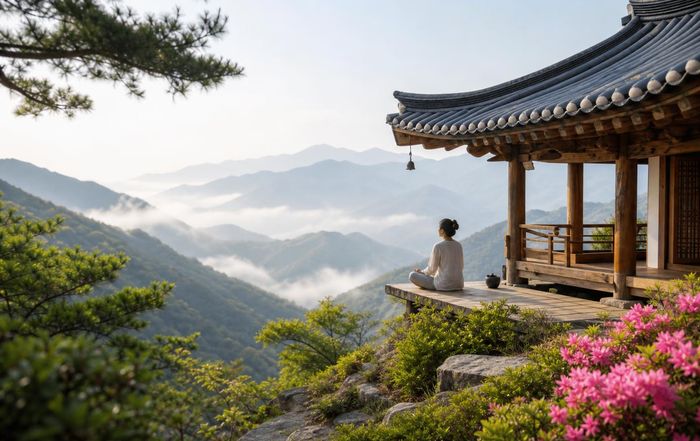
Mountain Retreats for Mindful Travel in South Korea
A New Kind of Journey into the Korean Mountains
Across the ridgelines of South Korea, from the granite peaks of Seoraksan to the forested slopes of Jirisan, a quiet transformation is reshaping how visitors experience the country. Rather than racing through a checklist of sights, more travelers are seeking stillness, reflection and authentic connection with nature and culture. Mountain retreats, once frequented mainly by pilgrims and local hikers, have become sanctuaries for mindful travel, wellness and cultural immersion, and they now stand at the heart of a broader global shift toward more meaningful journeys that WorldsDoor has been following closely.
This movement is not about luxury in the conventional sense, nor about retreating from reality. It is about entering spaces where the pace of life slows, where the rhythms of the forest and the cadence of Buddhist chants or village routines provide a framework for personal recalibration. South Korea's distinctive combination of well-preserved mountain ecosystems, extensive hiking infrastructure and living spiritual traditions offers visitors an unusually rich environment in which to explore inner and outer landscapes at the same time. As travelers in 2026 consider how to balance digital intensity, climate anxiety and cultural curiosity, these Korean mountain retreats have become powerful laboratories for a more intentional way of moving through the world.
The Cultural Roots of Korean Mountain Retreats
To understand why mountain retreats in South Korea feel so different from many other wellness destinations, it is essential to recognize how deeply mountains are woven into Korean history, spirituality and identity. For centuries, mountain ranges such as the Baekdudaegan spine have been regarded not merely as scenic backdrops but as the energetic backbone of the peninsula, shaping both ecological patterns and cultural imagination. The Cultural Heritage Administration of Korea has documented how temples, hermitages and shamanic shrines were deliberately built in mountain locations believed to hold powerful geomantic energy, known as pungsu, a Korean counterpart to Chinese feng shui, which continues to influence traditional architecture and settlement patterns.
Buddhism, introduced to the Korean peninsula over 1,500 years ago, found its most enduring homes in these elevated landscapes. Monasteries such as Haeinsa, Tongdosa and Songgwangsa, recognized collectively as part of the "Sansa, Buddhist Mountain Monasteries in Korea" UNESCO World Heritage inscription, represent a continuous monastic tradition that has relied on seclusion in the mountains as a way to cultivate discipline, contemplation and community. Travelers who participate in modern temple-stay programs at these sites are engaging with a living tradition rather than a reconstructed tourist performance, which is one reason mindful visitors often report a sense of authenticity and depth that is difficult to replicate elsewhere.
Confucianism and Korean indigenous beliefs also contributed to the cultural significance of mountains, with scholars' retreats, seowon academies and sacred peaks forming a kind of moral and philosophical geography. Even today, many Koreans associate the mountains with resilience, endurance and renewal, a sentiment reflected in popular hiking culture and in the reverence for national parks such as Seoraksan National Park and Jirisan National Park. For travelers arriving through WorldsDoor in search of meaningful experiences, this cultural layering means that a mountain retreat in South Korea is simultaneously a journey into nature, history and living spirituality.
National Parks as Gateways to Mindful Exploration
South Korea's extensive network of national and provincial parks provides the physical framework that makes mountain retreats so accessible, even to first-time visitors. According to the Korea National Park Service, the country manages dozens of protected areas, many of them dominated by rugged mountain terrain, with well-maintained trail systems, visitor centers and eco-lodges. This infrastructure allows travelers from the United States, Europe and across Asia to move relatively easily from dense urban centers such as Seoul or Busan into highland environments where silence and starlight replace traffic and neon.
Seoraksan, in the northeast, is often the first stop for international visitors drawn by its dramatic granite spires, autumn foliage and extensive hiking routes. While the main valley can be crowded during peak seasons, more remote temple stays and small guesthouses on the park's fringes offer quieter environments for meditation, forest bathing and sunrise hikes. Jirisan in the south, the country's first designated national park, is known for long-distance trekking routes, historic temples and a growing number of nature-based retreats that emphasize slow travel, local food and traditional healing practices. Learn more about Korean national parks and conservation efforts through resources from the Korea Tourism Organization and environmental groups such as Friends of the Earth Korea, which highlight how biodiversity protection and visitor education are increasingly integrated into park management.
For mindful travelers, the national parks function as curated gateways to a deeper engagement with place rather than as mere recreational facilities. Trails are often punctuated by small hermitages, stone pagodas and ancient rock carvings, inviting reflection on the continuity between human presence and natural form. Many retreats built near park boundaries collaborate with park rangers and local communities to offer guided hikes that emphasize ecology, geology and cultural history together, aligning closely with the values of responsible travel that we show across the pages of travel, environment and sustainable living.
Temple Stays: Immersion in Monastic Mountain Life
Among the most distinctive forms of mountain retreat in South Korea is the temple-stay program, a nationwide initiative coordinated by the Cultural Corps of Korean Buddhism that allows visitors to spend one or more nights inside functioning Buddhist monasteries. Established in the early 2000s and continually refined since, this program has become a cornerstone of South Korea's mindful travel landscape, drawing both domestic and international participants seeking spiritual exploration, stress relief or simply a deeper understanding of Korean culture.
During a typical temple stay at a mountain monastery such as Baekdamsa in Seoraksan or Hwaeomsa in Jirisan, participants follow a structured daily schedule that may include pre-dawn chanting, seated and walking meditation, tea ceremonies, communal vegetarian meals and periods of silent reflection. Instruction is usually provided by resident monks or nuns, with translation support at major temples that regularly host foreign guests. The emphasis is not on religious conversion but on experiential learning, allowing visitors to taste monastic discipline and mindfulness practices within their original cultural context. The official temple-stay website and guides from organizations like the Korea Tourism Organization offer detailed information on participating temples, program types and practical considerations for visitors from regions as diverse as North America, Europe and Southeast Asia.
In recent years, some temple-stay programs have begun to incorporate thematic retreats focused on topics such as digital detox, grief processing or eco-spirituality, responding to contemporary mental health concerns and environmental awareness. These developments align with broader trends in wellness travel documented by bodies like the Global Wellness Institute, which has noted rising demand for retreats that combine physical, emotional and spiritual care in one integrated experience. For readers exploring WorldsDoor's health and lifestyle sections, the Korean temple-stay model offers a compelling example of how ancient practices can be adapted to meet modern needs without losing their core integrity.
Forest Bathing and the Science of Mountain Well-Being
While spiritual traditions provide one pathway into mindful mountain travel, contemporary science has added another layer of legitimacy and interest, particularly for visitors who approach wellness from a health or evidence-based perspective. The concept of forest bathing, or shinrin-yoku, originally popularized in Japan, has found fertile ground in South Korea, where urban populations are highly concentrated and stress-related health issues are widely discussed. Research published through institutions such as Seoul National University and summarized by organizations like the World Health Organization and Harvard T.H. Chan School of Public Health has highlighted how time spent in forest environments can lower blood pressure, reduce cortisol levels and improve mood and cognitive function, especially when combined with mindful attention rather than purely athletic exertion.
Mountain retreats in regions such as Gangwon-do, Gyeongsangnam-do and Jeollanam-do increasingly incorporate guided forest therapy walks, breathing exercises and sensory awareness practices into their programming. These experiences encourage participants to move slowly, noticing the texture of bark, the sound of streams and the scent of pine and cypress, rather than focusing solely on reaching a summit. Some centers work with certified forest therapy guides trained under frameworks inspired by Japanese and Korean research, and they often collaborate with local health professionals or wellness tourism initiatives backed by regional governments. Those interested in learning more about the health impacts of nature immersion can explore resources from Nature and Forest Therapy organizations and public health research hubs that compile global evidence on green space and mental health.
For WorldsDoor readers, this convergence of traditional reverence for mountains with modern health science underscores a key insight: mindful travel is not merely a lifestyle trend but a practice with measurable effects on well-being. By choosing mountain retreats that prioritize slow, attentive engagement with the environment, travelers are investing in their own long-term health while also supporting regional economies that value conservation and low-impact tourism.
Local Food, Seasonal Rhythms and Mountain Hospitality
Mindful travel in South Korea's mountains is not only about meditation and hiking; it is equally about how visitors eat, rest and connect with local communities. Many mountain retreats, whether temple-based, family-run pensions or purpose-built wellness centers, emphasize seasonal, plant-forward cuisine rooted in traditional Korean food culture. Dishes built around wild greens (san namul), fermented vegetables, mountain mushrooms and locally produced grains and tofu provide nourishment aligned with both monastic simplicity and contemporary interest in sustainable, health-conscious eating. Organizations such as Slow Food International and research from the Food and Agriculture Organization of the United Nations have highlighted how such regional, plant-based diets can support both human health and environmental resilience, especially in mountainous areas where industrial agriculture is limited.
Travelers who seek deeper culinary engagement can find cooking classes, foraging walks and fermentation workshops in mountain villages near national parks, often led by local elders or chefs who have adapted traditional recipes for modern palates while preserving core techniques. These experiences not only introduce visitors to the flavors of Korean temple cuisine and rural home cooking but also foster cross-cultural exchange and economic opportunities for communities that might otherwise be overshadowed by urban tourism. Learn more about Korean food culture and its global evolution through resources from VisitKorea, UNESCO's Intangible Cultural Heritage listings and reputable culinary institutes that document the rise of Korean gastronomy worldwide.
Within the WorldsDoor ecosystem, where food, culture and society intersect, these mountain culinary narratives illustrate how mindful travel can be grounded in everyday acts of hospitality. Sharing a simple bowl of rice and mountain greens in a wooden guesthouse or temple dining hall becomes part of a larger story about respect for land, intergenerational knowledge and the pleasures of eating in harmony with place and season.
Technology, Access and the Art of Digital Boundaries
In an age defined by hyperconnectivity, one of the paradoxes of mountain retreats in South Korea is that many are technologically well-served, with reliable transport links, mobile coverage and online booking systems that make planning easy for visitors from Canada, Germany, Singapore or beyond. High-speed rail and express buses connect major cities to gateway towns near Seoraksan, Jirisan, Odaesan and other mountain areas, while local tourism boards and platforms like VisitKorea and regional travel portals provide maps, trail information and accommodation listings in multiple languages. This accessibility has helped democratize mindful travel, enabling short retreats over long weekends as well as extended stays.
Yet the very presence of technology also creates opportunities and challenges around digital boundaries. Some temple stays and wellness retreats explicitly encourage or require participants to limit smartphone use, turning off notifications or even surrendering devices for the duration of the stay. Others adopt a more flexible approach, offering Wi-Fi in common areas while promoting offline activities such as journaling, analog photography or shared conversation around tea. Discussion in media outlets like The Guardian, National Geographic Travel and wellness publications has reflected a growing awareness that real rest often requires intentional disconnection, even if only for a few days.
From the perspective of the technology and innovation original reporting, Korean mountain retreats represent a nuanced approach rather than a simplistic rejection of digital tools. Many centers use technology responsibly to manage reservations, share safety information and connect with global audiences, while simultaneously cultivating on-site environments where presence and attention are valued over constant online engagement. This balance speaks to a broader ethical question that travelers in 2026 are increasingly asking: how can technology be harnessed to facilitate deeper, more humane experiences rather than distract from them?
Sustainability, Ethics and Community Benefit
As interest in mountain retreats grows among visitors from the United Kingdom, Australia, Japan and other regions, questions of sustainability and ethics become more pressing. South Korea's national parks have finite carrying capacities, and small mountain communities can be sensitive to rapid changes in visitor numbers and behavior. Environmental organizations and academic studies, including work referenced by the International Union for Conservation of Nature (IUCN) and Korean research institutes, have underscored the importance of careful trail management, waste reduction and biodiversity protection in popular hiking areas. Overuse of certain trails, littering and noise pollution can undermine the very qualities that make these places attractive for mindful travel.
In response, many retreats and local governments have adopted measures such as limiting vehicle access, promoting off-peak visitation, providing clear guidelines on Leave No Trace principles and supporting community-led tourism cooperatives. Programs that connect visitors with local guides, artisans and farmers help ensure that economic benefits are more evenly distributed, while cultural orientation sessions at temple stays and guesthouses encourage respectful behavior, modest dress and sensitivity to religious practices. Those interested in the ethical dimensions of travel can explore additional perspectives through organizations like Tourism Cares, UNWTO and The Travel Foundation, which provide frameworks for responsible tourism development in mountain and rural regions.
For WorldsDoor, which places ethics and sustainability at the center of its editorial mission through dedicated spaces like ethics and world, Korean mountain retreats offer a hopeful case study. When designed and managed thoughtfully, mindful travel can reinforce local cultures, protect ecosystems and provide visitors with transformative experiences, rather than contributing to the extractive patterns sometimes associated with mass tourism. The key lies in transparent communication, community participation and travelers' willingness to adapt their expectations in light of local realities.
Practical Pathways into Mindful Mountain Travel
For readers considering their own journey into South Korea's mountains, the path often begins with clarifying intentions. Some may be drawn primarily to spiritual exploration through temple stays, others to physical challenge on multi-day treks, and still others to rest, recovery and quiet contemplation in forested valleys. Resources from the Korea Tourism Organization, regional park offices and reputable guidebooks provide up-to-date information on seasons, trail difficulty, accommodation options and cultural etiquette. It is generally advisable to book temple stays and popular retreats in advance, especially during peak foliage and spring blossom periods, while leaving enough flexibility in schedules to allow for weather changes and unplanned moments of discovery.
Travelers from Europe, North America and Oceania will find that many mountain areas are reachable within a few hours of major airports via rail and bus networks, though more remote valleys may still require local taxis or shuttle services. Basic English support is increasingly available at major temples and visitor centers, but learning a few Korean phrases and familiarizing oneself with local customs enhances both comfort and connection. For those interested in integrating mountain retreats into broader itineraries that include cities, coasts and cultural sites, coverage of travel, culture and education can serve as a starting point for designing journeys that balance activity and rest, exploration and reflection.
Crucially, mindful travel is less about specific checklists and more about the quality of attention brought to each experience. Whether sharing morning tea with a monk in a wooden pavilion, listening to rain on a temple roof, tracing the contours of a mountain ridge at dusk or simply breathing deeply in a pine forest, visitors are invited to practice presence and gratitude. In doing so, they participate in a living tradition that has long understood mountains not only as physical elevations but as spaces where human beings can reorient their lives.
A Doorway to Inner and Outer Worlds
As the world continues to navigate complex challenges-environmental, social, technological and psychological-the appeal of places that offer clarity and groundedness is only likely to grow. South Korea's mountain retreats, with their blend of ancient wisdom, modern infrastructure and evolving sustainability practices, stand as some of the most compelling destinations for travelers seeking more than surface-level sightseeing. They offer doorways into inner worlds of reflection and healing, as well as into outer worlds of culture, ecology and community that are deeply rooted in place.
For the travel readership, these retreats embody the kind of travel that can shape not only memories but values and life directions. By choosing to walk slowly through mountain temples, to listen to the forest, to share simple meals and to respect the delicate balance of highland ecosystems, travelers affirm a different vision of what it means to move across the planet. In the quiet of Korea's mountains, far from the noise of constant distraction, a more mindful, connected and hopeful form of global citizenship begins to take shape-one step, one breath and one retreat at a time.