

The Philosophy of Danish Hygge in a Modern Context
Hygge as a Global Language of Comfort
The Danish concept of hygge has moved far beyond its Nordic roots and become a global cultural reference point, invoked in boardrooms, wellness retreats, hospitality strategies, and digital product design. While the word itself has no perfect English equivalent, hygge broadly refers to a cultivated sense of warmth, ease, and togetherness, an atmosphere where people feel safe, present, and quietly content. For readers of WorldsDoor, whose interests span health, travel, culture, business, and beyond, hygge offers a uniquely integrated lens through which to interpret contemporary life, in which well-being, productivity, sustainability, and community are increasingly interdependent.
As the pressures of geopolitical uncertainty, digital acceleration, and climate anxiety intensify, the appeal of hygge lies not in a nostalgic escape from modernity but in a philosophy that reframes how individuals and organizations can inhabit the present. Hygge is not merely candles and knitwear; it is a disciplined commitment to prioritizing human comfort, emotional safety, and genuine connection, even in highly competitive and technologically advanced societies. In this sense, hygge has become a subtle but influential cultural export of Denmark, often cited in global rankings of happiness such as those curated by the United Nations through the World Happiness Report, and increasingly referenced in business schools, wellness programs, and leadership seminars from New York to Singapore.
Historical Roots: From Nordic Necessity to Cultural Identity
To understand hygge in a modern context, it is necessary to trace its historical roots in the Nordic environment, where long, dark winters and limited daylight shaped a culture that valued interior warmth, social cohesion, and modest pleasures. Danish historians and cultural scholars often link hygge to the evolution of the welfare state and the country's strong emphasis on social trust, equality, and communal responsibility. Organizations such as VisitDenmark have long explained hygge as an everyday practice of creating intimacy and comfort, especially during the darker months, where shared meals, soft lighting, and mutual care became essential strategies for psychological resilience, as can be seen in their cultural insights on Danish lifestyle.
In the 20th century, as Denmark modernized and urbanized, hygge evolved from a rural necessity into a core component of national identity. It was increasingly referenced in literature, media, and policy debates as a counterbalance to industrialization and later to globalization. Sociologists at institutions such as the University of Copenhagen and the Copenhagen Business School have explored how hygge reflects broader Nordic values of egalitarianism, low power distance, and consensus-building, themes that are echoed in international analyses of the so-called Nordic model by organizations like the OECD. Hygge, in this historical sense, was never just about interior decoration; it was about designing social and physical environments that reduce anxiety and foster mutual respect.
Hygge and Health: Psychological Safety in an Anxious Age
The 2020s have seen unprecedented levels of mental health challenges worldwide, with rising rates of anxiety, burnout, and loneliness reported across regions from North America and Europe to Asia and Africa. In this context, hygge has attracted serious attention from public health experts and psychologists as a culturally grounded framework for emotional well-being. Research summarized by institutions such as the World Health Organization on mental health and well-being underscores the importance of social connection, perceived safety, and manageable stress, all of which are embedded in hygge practices.
For the audience of WorldsDoor, which regularly explores themes of health and lifestyle, hygge offers a practical and psychologically informed approach to self-care that resists the commodification of wellness. Rather than prescribing expensive retreats or complex regimes, hygge emphasizes attainable rituals: shared meals with friends, unplugged evenings, tactile experiences like reading a physical book or cooking from scratch, and environments that are aesthetically pleasing but not ostentatious. These practices align with contemporary research from organizations such as the American Psychological Association, where readers can explore evidence-based approaches to stress management, showing that consistent, low-intensity positive experiences can significantly buffer against chronic stress and emotional exhaustion.
Hygge at Home: Design, Space, and Everyday Rituals
In a world where remote and hybrid work have become normalized, the home has transformed into a multi-functional environment that must support productivity, rest, learning, and social life simultaneously. Hygge, in this domestic context, becomes a design principle for creating spaces that balance function with emotional comfort. Danish design traditions, championed by brands like Louis Poulsen, Fritz Hansen, and HAY, have long emphasized simplicity, natural materials, and human-scale ergonomics, values that align closely with hygge's emphasis on warmth and usability. Design institutions such as the Design Museum Denmark and international references like Dezeen's coverage of Scandinavian interiors have documented how lighting, textures, and spatial flow influence mood and social interaction.
For globally mobile readers who follow WorldsDoor for insights into culture and lifestyle, hygge offers a flexible framework that can be adapted to apartments in Tokyo, townhouses in London, or homes in São Paulo. It encourages individuals to curate fewer, more meaningful objects, to design seating that facilitates conversation rather than isolation, and to prioritize spaces where digital devices are secondary to human presence. Architectural and psychological research, including work highlighted by the Royal Institute of British Architects, shows that natural light, acoustic comfort, and material tactility contribute to well-being, and readers can learn more about how architecture shapes mental health. Hygge translates these findings into everyday choices, transforming the home into a sanctuary rather than merely a storage space or workplace.
Hygge in the Workplace: From Employee Perk to Strategic Asset
As organizations across the United States, Germany, Canada, Australia, and Singapore grapple with talent shortages, hybrid work models, and rising expectations around employee well-being, hygge has entered the vocabulary of corporate culture and workplace design. Forward-looking companies and consultancies, some inspired by case studies from the Harvard Business Review, now investigate how psychologically safe, human-centered environments can support engagement, creativity, and retention, and readers can explore contemporary thinking on workplace well-being. Hygge, reframed for business, is not about turning offices into lounges; it is about cultivating trust, reducing unnecessary stressors, and encouraging authentic, informal interactions that strengthen collaboration.
In practice, this may involve rethinking office layouts to include quiet zones, communal kitchens, and flexible spaces that accommodate both focused work and social connection. It can also influence meeting culture, where Danish-inspired norms such as punctuality, clarity of purpose, and respectful dialogue reduce cognitive overload and interpersonal friction. For the WorldsDoor business audience, hygge offers a lens through which to align workplace experience with organizational strategy, especially as leaders look to integrate themes of ethics, society, and sustainability into their operating models. Research by the Chartered Institute of Personnel and Development and similar organizations, accessible through resources on employee experience and mental health, underscores that workplaces designed with human comfort in mind tend to see lower absenteeism and higher discretionary effort.
Travel and Hospitality: Hygge as Experiential Value
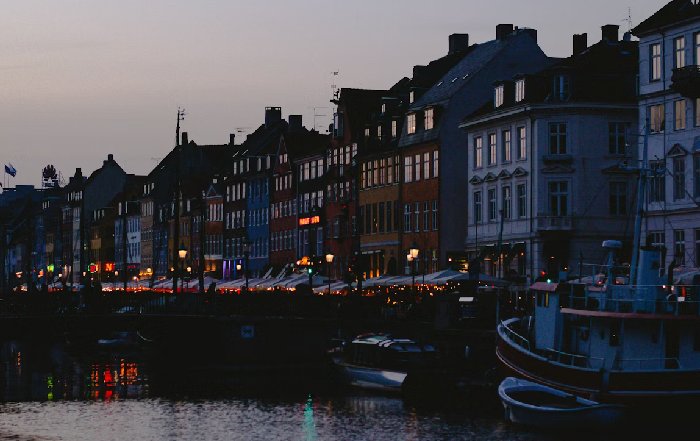
The travel and hospitality sectors have been quick to adopt hygge as a differentiating narrative, especially in markets such as the United Kingdom, France, Italy, Spain, and New Zealand, where experiential tourism and slow travel are gaining momentum. Boutique hotels, guesthouses, and even large international chains now curate "hygge-inspired" experiences that emphasize local materials, intimate communal spaces, and thoughtful service. Tourism agencies, including VisitCopenhagen, showcase how visitors can experience hygge through neighborhood cafés, harbor saunas, and informal cultural events, and interested travelers can explore how Copenhagen markets its unique atmosphere.
For WorldsDoor readers who seek more meaningful travel experiences, hygge provides a framework for evaluating destinations and accommodations based not only on amenities but on emotional resonance. Rather than chasing checklists of attractions, travelers influenced by hygge may prioritize slower itineraries, time with local communities, and spaces that encourage reflection rather than constant stimulation. This aligns with growing trends in sustainable and regenerative tourism, where organizations such as the World Travel & Tourism Council and UN Tourism promote models that respect local culture and environment, and readers can learn more about sustainable tourism principles. In this way, hygge becomes a bridge between personal comfort, cultural authenticity, and responsible travel.
Technology and the Digital Hygge Dilemma
In 2026, digital technologies permeate almost every aspect of daily life, from wearable health devices and AI-driven productivity tools to algorithmic entertainment and social media. While these innovations offer convenience and connectivity, they also create new forms of cognitive overload, distraction, and social comparison. Hygge, when applied to technology, invites individuals and organizations to reconsider the role of digital tools in shaping attention, relationships, and identity. Rather than rejecting technology, a hygge-informed approach seeks to integrate it more thoughtfully, setting boundaries and designing interfaces that support calm and intentional use.
Technology companies, particularly in hubs like Silicon Valley, Berlin, Seoul, and Bangalore, are beginning to draw on research from institutions such as the Center for Humane Technology, where designers and policymakers can explore principles for more human-centered tech. For readers of WorldsDoor interested in technology and innovation, hygge offers a counter-narrative to the "always on" ethos, emphasizing that digital products should serve human rhythms rather than dictate them. This might manifest in features that encourage breaks, prioritize meaningful interactions over endless scrolling, and reduce visual and cognitive clutter. In a broader societal sense, hygge's emphasis on presence and intimacy challenges platforms and enterprises to measure success not only in engagement metrics but in contributions to well-being and trust.
Sustainability, Environment, and the Ethics of Comfort
One of the most significant critiques of hygge, particularly as it has been commercialized, is the risk that it becomes an excuse for consumerism-encouraging people to buy more candles, textiles, and décor in the name of comfort. A serious, modern interpretation of hygge must confront this tension and align with the imperatives of environmental sustainability and ethical consumption. Denmark's leadership in renewable energy and circular design, documented by organizations such as the International Energy Agency, where readers can learn more about Denmark's green transition, suggests that hygge can coexist with, and even reinforce, sustainable practices when properly understood.
For the WorldsDoor audience, whose interests include the environment, sustainability, and innovation, hygge presents an opportunity to redefine comfort as quality rather than quantity. This might involve investing in durable, responsibly sourced materials, reducing energy use through better insulation and localized heating, or prioritizing experiences over possessions. Organizations such as the Ellen MacArthur Foundation, which promotes circular economy models, provide frameworks that align with hygge's preference for longevity and care, and readers can explore circular design thinking. In this light, hygge becomes not a license for indulgence but a philosophy of mindful sufficiency, where comfort is derived from alignment with one's values and with planetary boundaries.
Education, Society, and the Transmission of Hygge Values
Hygge is not only practiced in homes and workplaces; it is also transmitted through education, social norms, and public spaces. Danish schools and early childhood institutions, influenced by national pedagogical traditions, often emphasize play, collaboration, and emotional literacy, creating environments where children feel safe, heard, and connected. Comparative education research, including analyses by the OECD in its Education at a Glance series, has noted that Nordic systems tend to prioritize student well-being alongside academic achievement, a balance that resonates strongly with hygge's underlying values.
For readers of WorldsDoor who are interested in education and society, hygge offers a model for designing learning environments that nurture curiosity without excessive pressure, and that recognize the importance of informal social time, physical comfort, and aesthetic quality. Public institutions in cities such as Stockholm, Oslo, Helsinki, and Copenhagen often extend these principles to libraries, community centers, and urban parks, where citizens can gather in inclusive, welcoming spaces. Urban design organizations and think tanks like Gehl Architects, whose work on human-scale cities is widely referenced, provide case studies and frameworks that align with hygge's emphasis on conviviality, and interested readers can learn more about human-centered urbanism. In a broader societal sense, hygge contributes to high levels of social trust and civic engagement, factors that are increasingly recognized as critical to democratic resilience.
Food, Culture, and the Rituals of Togetherness
Food occupies a central place in the experience of hygge, not as an exercise in gastronomy for its own sake, but as a medium for togetherness and sensory pleasure. Traditional Danish dishes, seasonal ingredients, and home-cooked meals often anchor hygge gatherings, where the emphasis is less on presentation and more on shared enjoyment. This ethos resonates with global movements toward slow food, local sourcing, and communal dining, as championed by organizations such as the Slow Food movement, whose global network invites people to explore food cultures that value conviviality.
For WorldsDoor readers engaged with food, lifestyle, and culture, hygge encourages a reconsideration of how meals are planned and experienced. Instead of rushed, solitary eating, it suggests creating time and space for lingering at the table, for conversation, and for mindful appreciation of flavors and textures. It aligns with public health recommendations from institutions like the Harvard T.H. Chan School of Public Health, where readers can learn more about healthy eating patterns, by emphasizing balance, moderation, and enjoyment rather than strict restriction. In multicultural urban centers from London and New York to Bangkok and Cape Town, hygge-inspired dining can integrate diverse cuisines while preserving the core value of shared presence.
Hygge as Strategic Compass for a Complex World
As the world navigates the intersecting challenges of technological disruption, climate change, geopolitical fragmentation, and demographic shifts, hygge may appear, at first glance, too modest a concept to offer meaningful guidance. Yet its enduring relevance lies precisely in its insistence on the primacy of human experience-comfort, trust, and connection-as the foundation upon which complex systems must be built. For a platform like WorldsDoor, which connects readers across continents and interests, hygge functions as a unifying thread that links business strategies with personal well-being, technological innovation with ethical reflection, and global travel with local authenticity.
In boardrooms in Zurich, Amsterdam, and Hong Kong, in co-working spaces in Toronto and Melbourne, and in homes from Johannesburg to Tokyo, leaders and individuals are beginning to recognize that cultures of relentless acceleration are neither sustainable nor desirable. Hygge, interpreted thoughtfully, suggests that long-term resilience and creativity emerge from environments where people feel at ease, where there is room for reflection and informal connection, and where material and digital surroundings are curated with care. It does not deny ambition or innovation; rather, it insists that these pursuits be grounded in a humane, trustworthy, and ethically coherent way of living.
As readers explore the diverse sections of WorldsDoor, from world affairs to societal change, hygge can serve as a quiet but powerful compass, inviting them to ask, in every domain: does this choice, this design, this policy, or this product make it easier for people to feel safe, connected, and authentically themselves? In a century defined by complexity, that deceptively simple question may prove to be one of the most strategic, and one of the most enduring, that individuals and organizations can ask.