

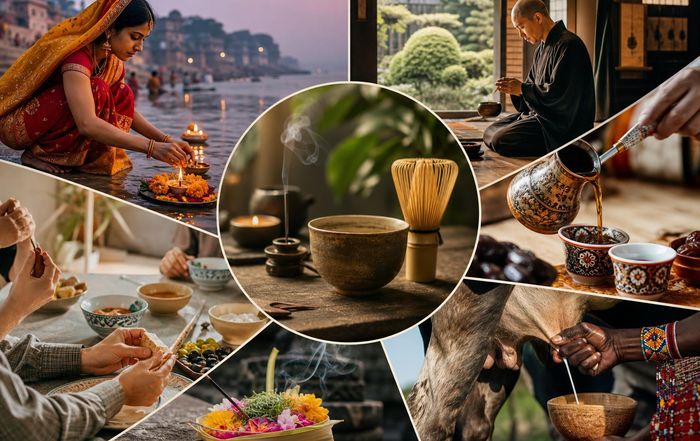
Everyday Rituals With Deep Cultural Meaning Around the World
In a fast-moving, hyper-connected world, everyday life can appear increasingly standardized, yet beneath the surface of commutes, meals, and digital conversations, people across continents still weave meaning into ordinary routines through quiet rituals. These practices rarely make headlines, but they shape identity, strengthen communities, and offer a sense of continuity in times of rapid change. For active online folks, who are curious about travel, culture, health, lifestyle, and the environment, exploring these rituals opens a doorway into how people everywhere transform the simplest acts-making tea, sharing food, greeting a neighbor-into expressions of values and worldviews that have evolved over generations.
In 2026, as global mobility resumes more confidently after years of disruption and as digital culture continues to blur borders, everyday rituals are not disappearing; instead, many are being reinterpreted, documented, and shared, while others are being consciously protected as intangible cultural heritage. Understanding these practices with respect and nuance helps travelers, learners, and communities engage more thoughtfully with the places they visit and the people they meet, whether in Tokyo's backstreets, the markets of Marrakech, or a café in Berlin.
The Shared Language of Ritual in Daily Life
Anthropologists have long noted that ritual is not limited to religious ceremonies or national holidays; it also includes small, repeated actions that carry symbolic weight. The act of pausing to say grace before a meal, the habit of removing shoes at the door, or the morning walk to a local bakery can all function as rituals when they embody values like gratitude, purity, hospitality, or community belonging.
Research in cultural anthropology and psychology, including work discussed by Harvard University's Project on the Psychological Study of Ritual, suggests that rituals can reduce anxiety, enhance social cohesion, and provide a sense of control in uncertain environments. Even when individuals do not consciously think about the historical origins of a practice, the repetition of shared actions builds a subtle but powerful sense of "we." For travelers and readers engaging with global culture through sites like WorldsDoor's culture section, recognizing these patterns can transform a casual observation into a meaningful encounter.
Tea, Coffee, and the Art of Slowing Down
One of the most universal yet culturally distinct rituals is the preparation and sharing of hot drinks. From East Asia to Europe and North Africa, tea and coffee are more than beverages; they are vehicles for hospitality, reflection, and social connection.
In Japan, the codified chanoyu, or Japanese tea ceremony, is a highly formalized art deeply influenced by Zen Buddhism, emphasizing harmony, respect, purity, and tranquility. While most Japanese people do not experience the full ceremonial form on a daily basis, the broader culture of tea-whether a bottle of green tea from a convenience store or a quiet cup at home-still reflects an attentiveness to seasonality and aesthetics that has roots in this tradition. Institutions such as the Urasenke Foundation and cultural guides from organizations like Japan National Tourism Organization highlight how the ceremony continues to be practiced, taught, and adapted, and readers can learn more about Japanese cultural practices through official resources that emphasize respectful participation.
In Morocco and other parts of North Africa, serving mint tea is an everyday expression of welcome and generosity. The ritualized pouring of hot, sweetened green tea from a height into small glasses is both practical and symbolic; it aerates the drink and demonstrates the host's skill and care. Ethnographic work and travel reporting, including coverage from outlets like BBC Travel and National Geographic, consistently describe how this tea ritual structures social encounters, whether among family members in a rural village or between merchants and visitors in urban markets, making it a powerful lens for understanding hospitality in the region.
Meanwhile, coffee rituals shape daily rhythms in countries as varied as Italy, Ethiopia, and Sweden. The Italian espresso bar, where locals stand at the counter for a quick caffè, forms a cornerstone of urban life and social interaction. In Sweden, the practice of fika-a daily pause for coffee and often a sweet pastry-has been widely described by Swedish cultural institutions and media as a valued moment of social connection and work-life balance. The Swedish Institute and resources like Visit Sweden explain that fika is not merely a coffee break but a culturally recognized pause that reinforces the importance of slowing down and connecting with colleagues, friends, or family.
For readers planning culturally sensitive journeys, WorldsDoor's travel insights can be complemented by reputable external guides such as UNESCO, Lonely Planet, and national tourism boards, which increasingly highlight these rituals as important aspects of responsible cultural engagement rather than just photogenic experiences.
Greetings, Respect, and the Ritual of First Contact
The simple act of greeting another person is also deeply ritualized and varies significantly across regions. These differences often encode social hierarchies, concepts of personal space, and ideas about respect and intimacy.
In many East Asian countries, including Japan and South Korea, bowing remains a central greeting ritual. Although handshakes and more informal gestures have become common in international business and youth culture, bowing is still used to convey respect, apology, and gratitude in daily life. Resources from Japan's Agency for Cultural Affairs and Korea's cultural promotion organizations emphasize the importance of posture, depth, and context in these bows, illustrating how seemingly simple movements carry complex social meaning.
By contrast, in much of Europe and Latin America, greetings often involve varying patterns of cheek kissing, hugging, or the firm handshake, each with cultural expectations about formality. For instance, in France, the practice of "la bise" varies by region in terms of how many kisses are expected, and social etiquette guides from French cultural institutions and media regularly explain these nuances for visitors. These rituals can become points of confusion for travelers, which is why combining practical etiquette guides with reflective resources such as WorldsDoor's society coverage can help frame them not as awkward hurdles but as invitations into different notions of closeness and respect.
In some Indigenous cultures, greeting rituals may involve specific words, gestures, or even shared breath, as in certain Pacific traditions, expressing a view of relationship that extends beyond the individual to include ancestors and the natural world. Organizations like Te Ara - The Encyclopedia of New Zealand and cultural centers in Hawaiʻi and the Pacific provide carefully curated explanations of such practices, underscoring the need to approach them with humility and an awareness of historical context, including colonization and cultural suppression.
Food as Daily Ceremony and Cultural Memory
Everyday meals are among the most intimate and revealing rituals, binding families and communities together while preserving memory and identity. Around the world, the way people sit, share, and bless their food reflects deeply held values and beliefs.
In Mediterranean countries such as Italy, Spain, and Greece, the tradition of the long, shared meal-often late in the evening-has been widely documented by food scholars and organizations such as Slow Food International, which originated in Italy as a response to fast-food culture. The emphasis on seasonal ingredients, regional recipes, and unhurried conversation turns dinner into a daily celebration of place and kinship. These practices are increasingly recognized as part of broader cultural heritage, with UNESCO listing the Mediterranean diet as an intangible cultural heritage element, highlighting not just ingredients but the social rituals of eating together.
In many parts of Asia, including India and Thailand, eating with hands or specific shared dishes carries symbolic and practical meaning. In India, for example, the practice of eating with the right hand is tied to notions of purity and respect, and the communal sharing of dishes at the table reinforces values of hospitality and family cohesion. Academic work in food anthropology and resources such as The Oxford Research Encyclopedia of Anthropology examine how these practices persist and adapt in urban, globalized contexts, where Western utensils and fast-food chains coexist with long-standing local customs.
Religious food rituals, such as halal and kosher dietary laws, or the breaking of the fast during Ramadan, continue to structure daily life for millions of people worldwide. Organizations like Pew Research Center provide data on the prevalence and evolution of such practices, while religious institutions and community groups publish detailed guidance on how these rituals intersect with modern challenges, from workplace schedules to global travel. For those interested in deepening their understanding of food and culture, WorldsDoor's food features can be paired with trusted culinary and cultural resources like Serious Eats, The Guardian's food section, and academic publications.
Wellness, Mindfulness, and the Rituals of Health
Health-related rituals, whether rooted in ancient traditions or modern wellness movements, illustrate how cultures interpret the relationship between body, mind, and environment. In recent years, scientific and medical communities have increasingly investigated these practices, sometimes validating long-held beliefs, sometimes raising important questions.
In India, the daily routines of Ayurveda, such as oil pulling, tongue scraping, or specific morning practices, are part of a holistic approach to balancing bodily energies, or doshas. Institutions like India's Ministry of AYUSH and research published in journals indexed by PubMed explore both the cultural significance and the scientific evidence surrounding Ayurvedic practices. While not all claims are backed by rigorous clinical trials, some elements, such as certain herbal preparations or yoga-based routines, have shown measurable benefits in controlled studies, leading to a nuanced conversation about integration with conventional medicine.
Similarly, in East Asia, traditional Chinese medicine and related everyday rituals, such as drinking specific teas, practicing qigong, or following seasonal dietary patterns, remain influential. Academic centers, including those associated with World Health Organization initiatives on traditional medicine, have documented widespread use and ongoing efforts to evaluate safety and efficacy. The conversation often centers on how to respect cultural heritage while ensuring that health advice is grounded in reliable evidence, a balance that platforms like WorldsDoor's health section can help readers explore critically and thoughtfully.
Beyond traditional systems, contemporary rituals such as daily meditation, digital detox routines, or scheduled movement breaks in workplaces have emerged worldwide, often influenced by cross-cultural exchanges. Mindfulness practices with roots in Buddhist traditions have been adapted into secular programs supported by research from institutions like University of Oxford's Mindfulness Centre and UCSF, which report benefits for stress reduction and mental health when implemented carefully. These modern rituals, while sometimes criticized for commercialization or cultural appropriation, also demonstrate how ancient practices can inspire new habits that support well-being in highly connected, high-pressure societies.
Environmental Awareness and Rituals of Care for the Earth
As environmental concerns grow more urgent, everyday rituals that express respect for nature are attracting renewed attention. Many Indigenous communities have long integrated environmental stewardship into daily practices, such as offering thanks before harvesting plants, adhering to seasonal hunting rules, or organizing communal clean-ups of shared lands and waters. Organizations like UN Permanent Forum on Indigenous Issues and research published in journals such as Ecology and Society highlight how these practices are rooted in relational worldviews that see humans as part of, rather than separate from, the natural world.
In urban centers across Europe, North America, and Asia, newer rituals have emerged in response to climate change and sustainability challenges. The choice to bring reusable bags to markets, to bike to work, or to participate in weekly community gardening sessions may seem mundane, yet they function as symbolic commitments to a different kind of relationship with the planet. Environmental groups like Friends of the Earth, 350.org, and WWF encourage such practices, framing them as both practical actions and cultural statements that can shift norms over time.
Readers seeking to integrate environmental consciousness into travel and daily life can explore WorldsDoor's environment coverage and sustainable living features, and complement these with resources from UN Environment Programme and IPCC summaries, which offer scientifically grounded context for why these small rituals matter in aggregate. The growing movement toward regenerative tourism, described by organizations such as Global Sustainable Tourism Council, also encourages travelers to participate in local rituals of care, from beach clean-ups to traditional planting festivals, in ways that respect community leadership and knowledge.
Technology, Digital Rituals, and New Forms of Connection
The digital age has given rise to its own set of everyday rituals, from the morning scroll through news and social media to the evening video call with family members living abroad. While these practices are often criticized for fostering distraction or superficial engagement, sociologists and media scholars point out that they can also create new forms of community and shared experience, especially when used intentionally.
In many households, particularly in countries with large diasporas such as India, the Philippines, and Nigeria, weekly or even daily video calls have become a ritual that sustains intergenerational relationships across continents. Studies cited by organizations like UNICEF and UN DESA on migration and family life note that digital communication can mitigate some emotional impacts of separation, even as it introduces new challenges. These rituals of connection are especially significant in countries where labor migration is common and remittances form a substantial part of the economy.
At the same time, there is a growing awareness of the need to balance digital rituals with offline presence. Movements promoting "digital minimalism" or "screen-free Sundays" reflect an attempt to reclaim attention and deepen in-person relationships. Technology commentators and mental health professionals, including those featured by APA (American Psychological Association) and World Health Organization, have raised concerns about excessive screen time, especially among young people, while also recognizing that digital tools can support education, social activism, and mental health when used judiciously. Readers interested in how technology is reshaping daily life can explore WorldsDoor's technology section and innovation coverage to situate these habits within broader global trends.
Travel, Respect, and Participating in Local Rituals
For travelers, the encounter with everyday rituals is often one of the most memorable aspects of a journey. Drinking coffee with locals in a Lisbon café, joining a neighborhood walk in Melbourne, or observing the quiet of an early-morning temple visit in Bangkok can leave deeper impressions than any landmark. However, participating in or even observing these rituals requires sensitivity, humility, and a willingness to learn.
Travel organizations and cultural heritage bodies, including UNESCO, ICOMOS, and Cultural Survival, emphasize that visitors should avoid turning rituals into spectacles or props for social media. Instead, they encourage asking permission before photographing people in sacred or intimate settings, dressing appropriately, and learning basic phrases or gestures that show respect. Ethical travel guides urge visitors to support local businesses and community-led tours that explain the meaning of rituals from insiders' perspectives, rather than treating them as exotic curiosities.
Top new hubs like WorldsDoor's travel, culture, and ethics sections can help readers prepare for such encounters by offering context and reflections that go beyond practical tips. Combined with resources from Responsible Travel, Tourism Concern, and national tourism boards, this approach supports a form of travel that honors the depth and diversity of everyday life rather than skimming its surface.
Education, Transmission, and the Future of Ritual
As societies change, so do their rituals, and questions arise about what will be preserved, adapted, or left behind. In classrooms from Canada to South Africa, educators increasingly recognize the importance of integrating cultural practices into learning, whether through language revitalization, storytelling, or community-led projects. Organizations like UNESCO and OECD have documented how culturally responsive education can improve student engagement and outcomes, particularly for marginalized communities.
At the same time, young people are creating new rituals that blend global influences with local identities, such as community hackathons, neighborhood art walks, or weekly volunteer meetups. These practices may not yet be labeled as rituals, but they function similarly by providing structure, shared purpose, and a sense of belonging. Readers can explore how education and culture intersect through WorldsDoor's education features, and by consulting reputable sources like UNESCO's education reports and Brookings Institution analyses on global education trends.
In 2026, the conversation about ritual is also increasingly intertwined with debates on cultural appropriation, authenticity, and commercialization. Yoga, for instance, has become a global wellness practice, yet many scholars and practitioners from South Asia have raised concerns about its detachment from philosophical and ethical roots. Articles and position papers from organizations such as Yoga Alliance and academic commentators in journals of religious and cultural studies highlight the need for respectful engagement that acknowledges origins and avoids erasing the communities that nurtured these traditions.
Our Invitation to See the Extraordinary in the Ordinary
For the well travelled research team here, exploring everyday rituals is more than an editorial choice; it is a way of affirming that the world's richness lies not only in iconic monuments or spectacular events but also in the quiet moments that shape daily life. By bringing together stories and analyses from travel, culture, health, lifestyle, environment, technology, food, society, and education, this platform invites readers to notice how their own routines connect them to wider histories and communities, and how the rituals of others can be approached with curiosity and respect.
Whether readers are planning a journey across continents or simply seeking to deepen their understanding of their own neighborhood, the study of everyday rituals offers a path toward empathy and insight. From the morning cup of tea shared in a London kitchen to the evening prayers whispered in a Jakarta apartment, from the communal meal in a São Paulo courtyard to the quiet walk through a snowy park in Stockholm, these practices remind people that meaning is not only found in grand gestures but in small, repeated acts of care, attention, and connection.
By engaging with trustworthy resources, from international organizations and academic research to thoughtful cultural reporting and the curated perspectives available through WorldsDoor's homepage, happy followers can approach the world's rituals not as curiosities to be consumed, but as living expressions of human creativity and resilience. In doing so, they step through a door into a more attentive, respectful, and inspired way of inhabiting a shared planet, where every day offers an opportunity to participate in traditions that honor both difference and common humanity.